Startups like Sierra, Decagon, and Parloa are pouring capital into automating customer calls and messages with artificial intelligence. Their goal is to handle more queries at scale. Athens-based Omilia argues this approach is wasteful. The company has been building voice automation since 2002. CEO Dimitris Vassos says many incoming requests involve basic tasks like checking account balances. These do not require large language models.
The right tool for the job
“We will use any available weapon to win the battle for customer service,” Vassos said. “Companies like Sierra, Decagon, etc. identify as generative AI companies. Their sole purpose is to deploy generative AI and limit themselves. You may have a bazooka, but if your enemy is near you, you need a knife. This is the reality of the contact center, where you need multiple tools.”
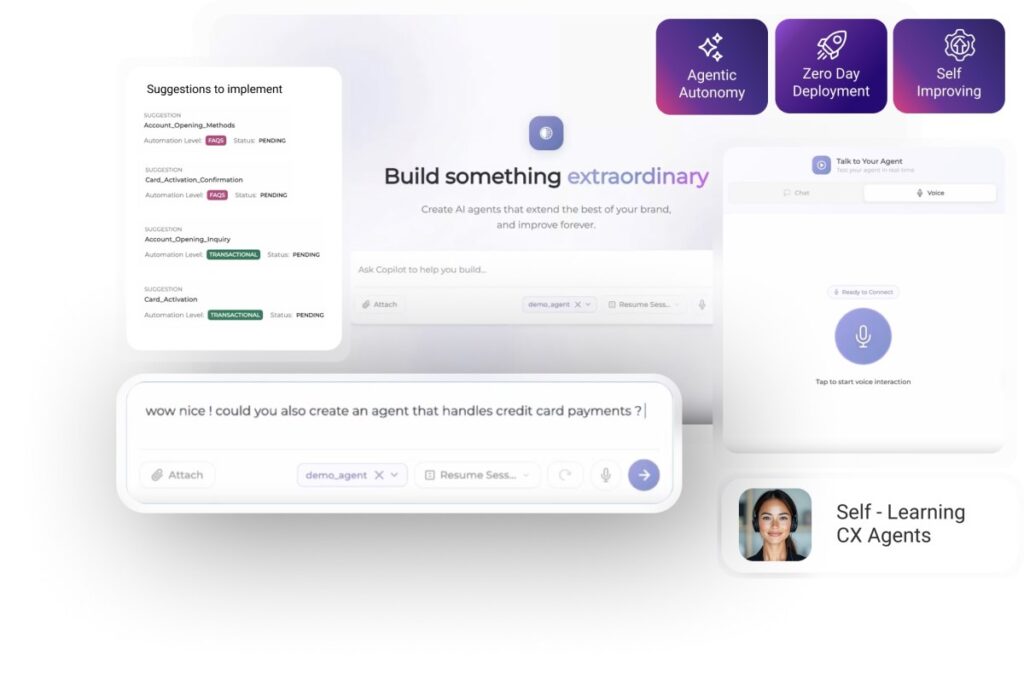
Omilia is expanding its operations to build self-learning agents that work across different contact points. The firm raised $67 million in a Series B round led by Expedition Growth Capital.
This is the second time Omilia has raised capital. It took $20 million from Grafton Capital in 2020. Since then, annual recurring revenue has grown tenfold to $60 million.
Focus on returns
Vassos says Omilia’s differentiation lies in strong unit economics for both the company and its clients. This approach means the firm has not needed large cash infusions compared to competitors.
“In the next few years, we will see the companies that can offer real ROI prevail,” Vassos said. “We don’t mind that we’re not as sexy as ElevenLabs and Sierra on LinkedIn right now. We care about growing steadily and building the foundations for a billion-dollar revenue company in the next three years.”
Who is using it
Current clients include Capital One, Discover, RBC, the Department for Work and Pensions, and PSEG. Quick-service restaurants using voice-based ordering are a major focus. Taco Bell is a client. The company has deployed technology across more than 1,000 outlets. Vassos said talks are ongoing with two more quick-service restaurants in the U.S.
AI deployments can fail. A reported snafu in Taco Bell’s ordering system allowed a customer to order 18,000 cups of water last year.
Vassos maintains this incident never took place. Omilia’s logs did not show it. We have reached out to Taco Bell to clarify, and will update this story if we hear back.
What it means
Omilia will use the new cash to open a US office. The US market accounts for a large portion of revenue. The firm will also expand its go-to-market team. It is hiring a chief revenue officer, a chief marketing officer, and a vice president of revenue operations. The company currently employs around 500 people and expects headcount to reach 600 by the end of the year.