Hark launches Hark Pro, an AI personal assistant designed to run your computer while keeping your data private
Brett Adcock, a serial founder, has launched Hark Pro. The service is free for basic use, though a subscription tier exists for heavy users. The company was founded less than a year ago.
Adcock and his team aim to build a user interface for artificial intelligence rather than pursuing artificial general intelligence or medical cures. The core model is trained specifically for computer interaction. Consequently, the software operates by using your computer on your behalf.
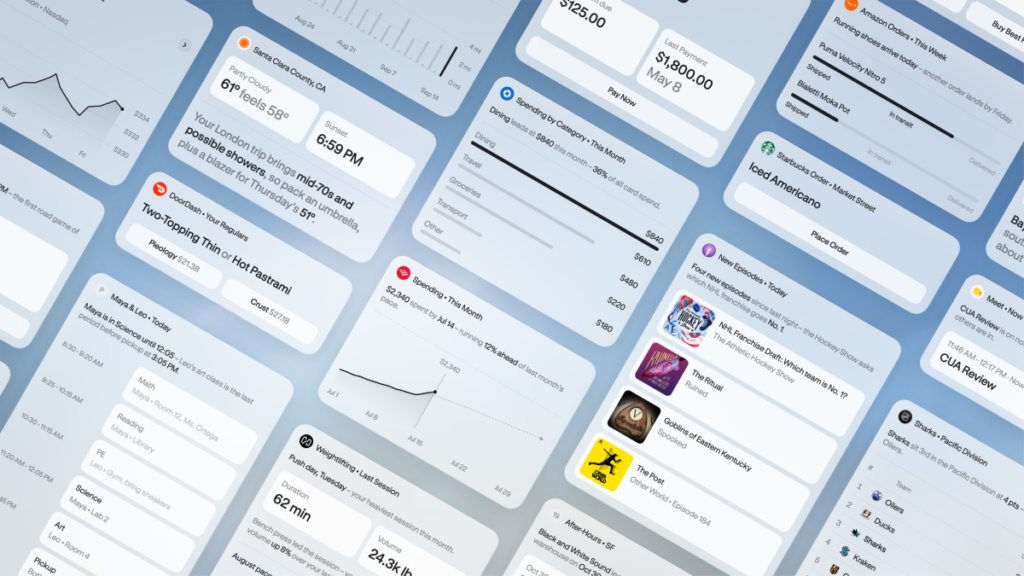
Hark Pro presents a full-screen interface. A central chat dialog sits alongside a feed of suggested actions. Visual elements known as panels provide mini-dashboards for topics of interest. The background displays custom imagery adjusted to local weather and time.
Users configure the tool to access their email, calendar, hard drives, and credit card details. Once linked, the system handles digital tasks and answers standard chatbot queries.
Abidur Chowdhury, who leads design at Hark and previously worked at Apple, demonstrated the tool. The assistant proactively identified expenses requiring approval and emails needing a response. It flagged an upcoming meeting with this reporter and offered to book a flight for a trip. Chowdhury noted that the flight booking feature had been discontinued previously, though he grinned while admitting the system still tried to handle it.
Chowdhury highlighted a specific instance where the AI recognised a colleague needed to renew their car registration with the California DMV. The assistant managed the renewal through the agency’s website without manual intervention.
A distinct user experience choice is the display of the agent browsing the web in a small window. Most assistants perform this action without showing the user. Chowdhury stated this transparency is intended to build trust that the agent is performing tasks correctly.
This transparency supports Hark’s stance against companies like Meta or OpenAI. Chowdhury said they are not here to sell ads or steal data. To utilise these models fully, users must share their entire digital lives. Security concerns aside, comfort levels vary regarding a company creating detailed profiles of friends and family.
When asked about profiling, Chowdhury explained the system works to understand user needs but remains task-related. The goal is to remove items from the user’s plate and provide utility.
Chowdhury argues Hark Pro fully substitutes for the computer rather than just assisting it. He believes it simply works better than alternatives. He told the reporter to compare it critically. While it may not be faster than Muse, it provides a better result. The system works end-to-end instead of requiring the user to take over at specific points.
One open question concerns the model architecture. Hark’s model is explicitly trained for computer use, making it faster and cheaper for those tasks. It is unclear how much broader knowledge and capability the system trades away compared to frontier large language models.
This software represents only half of Hark’s promise. Chowdhury, who made his name designing devices at Apple, plans to release an AI-native device in 2027 to support the software.
The team remains cautious about the device’s form. Chowdhury expressed concern over the creep factor of wearable cameras. He stated the first product will be something that has never existed before. Whether this is hype or a novel product remains to be seen.
Chowdhury remarked that having a chatbot and typing on a keyboard feels archaic. He noted that fifty years later, the future of computing still relies on a terminal.
What it means
Users can expect a more transparent interaction with their digital tools. Seeing the agent browse the web helps verify actions, which addresses privacy concerns. The focus on a dedicated computer model suggests the tool will be efficient for specific tasks, though it may lack the broad knowledge of general-purpose models. The upcoming hardware launch in 2027 aims to move beyond the keyboard and screen, though the exact design is still a secret.