Melius announced on Tuesday that it has raised $25 million in total funding. The round consists of a $20 million Series A led by CRV and a $5 million seed round led by General Catalyst.
Co-founder Joowon Kim admits the company did not start with immediate success. The startup claims to have generated more than $1 million in annualised revenue within two months of leaving stealth mode in July, but the initial product launch was not a hit.
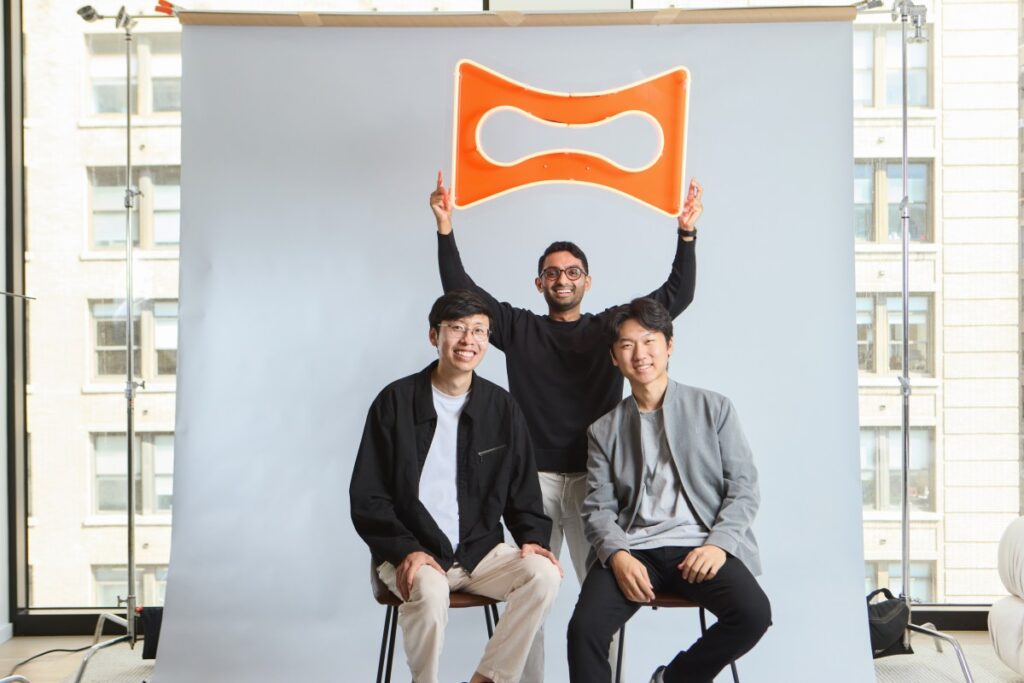
When the New York-based company first launched over a year ago, Kim and his co-founders, Young Kim and Arnav Ramu, intended to build an AI-powered performance marketing tool. The three met while working as engineers at Ramp, the corporate spending and finance software firm.
More than six months into development, the team decided their original idea lacked longevity. Kim told TechCrunch that they concluded the concept did not have legs.
Instead of helping marketers manage and optimise ad spend, the team shifted focus to building tools that generate the creative assets and campaigns themselves. They viewed this as a larger opportunity.
We scrapped the entire codebase; we burned all of it, Kim said. Melius quickly moved to create a new product. Nearly a year after its initial launch, it revealed a platform it describes as an agents lab for creative work.
Melius is not the only startup helping ad agencies, marketers, and brands generate creative assets and campaigns with AI. Competitors include rapidly growing Higgsfield, which was valued at $5.4 billion in August, as well as other small startups, including Krea and Flora AI.
Kim is not concerned about the competition.
He acknowledged that Higgsfield, a three-year-old that has hit over $700 million in annualised revenue, is growing like mad. However, according to Kim, the size of the market is so large that it can support multiple competitors.
There are a lot of players, which is pretty exciting, he told TechCrunch. That means there are customers to be won and there is demand in this space.
As for why former Ramp engineers are building an ad generation product, Kim, who describes himself as a social media influencer, says he has been passionate about making short videos since elementary school and once dreamed of becoming a famous YouTuber.
I tried my best to make vlogs, he said. My dad was great at using FinalCut Pro, but I was not.
Those early vlogs never quite took off, but his fascination with making digital media remained.
Now, with Melius, he is building the tool he always wanted: a platform where anyone, including seasoned creative directors, can turn their ideas into reality using plain language.
What it means
For people making videos or ads, the change is simple. You no longer need to know how to edit or manage complex software. You can describe what you want in normal language and have the system build the creative assets for you.