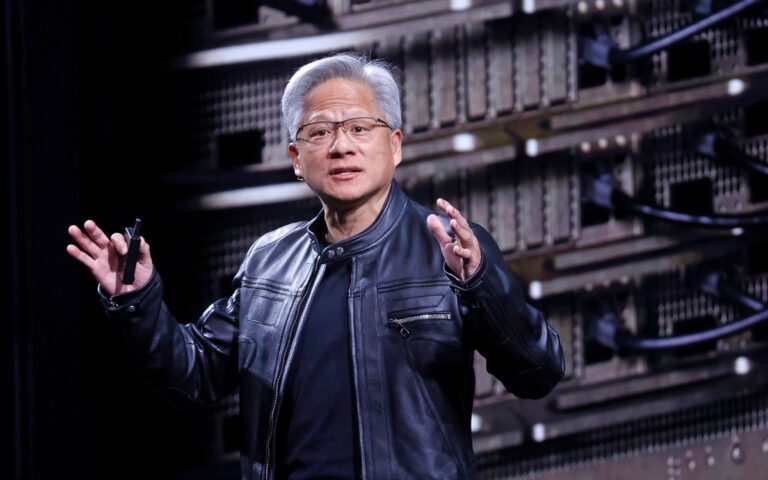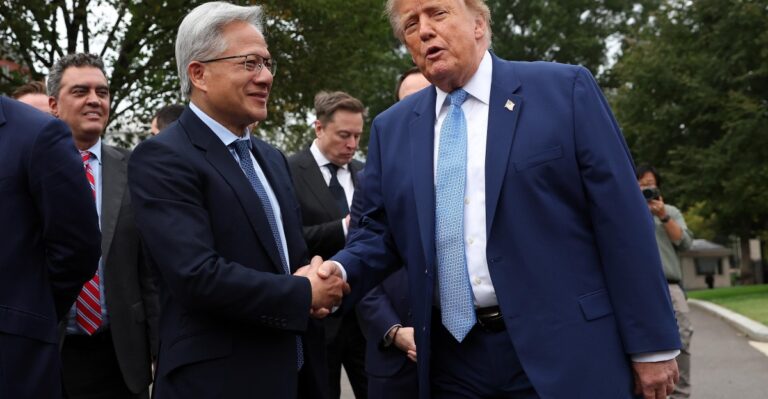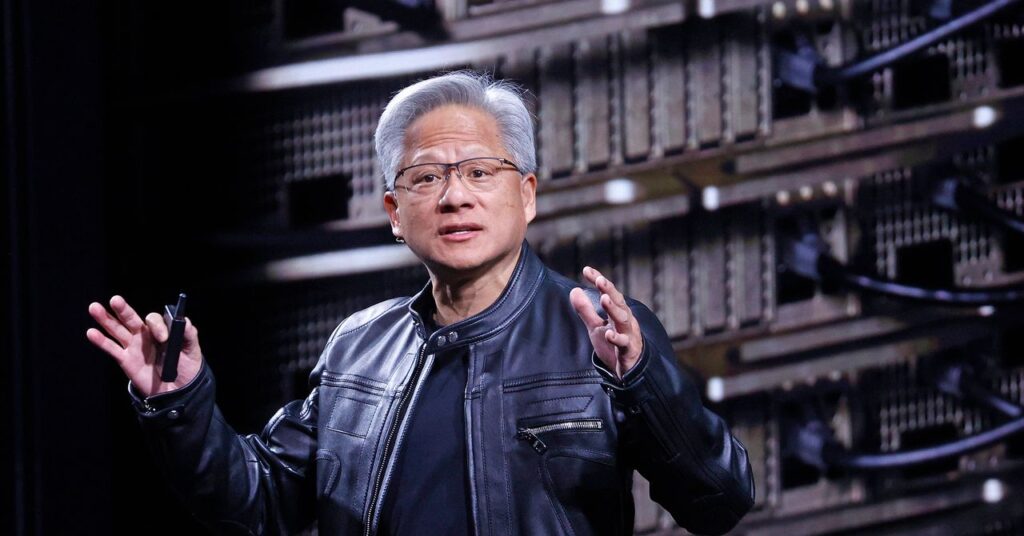
Nvidia CEO Jensen Huang faces an investigation after admitting to an affair with Alice Huang, a Singapore-based executive whom US intelligence officials identified as a Chinese intelligence asset.
The board has ordered a review of the incident. Huang stated he supports the process and will cooperate. Corporate filings show he earned $36 million last year and held roughly 3.5 percent of Nvidia stock as of March. He is an at-will employee, meaning the company can end his employment without severance.
Power of the chips
David Yoffie, a professor at Harvard Business School, notes that Huang decides which companies receive chips and which do not. Nvidia controls 90 percent of the market for chips used to train frontier AI models. Shortages give Huang significant influence over which areas of artificial intelligence receive priority.
The company has invested billions in the very firms buying its hardware, including OpenAI and Anthropic. Yoffie says Elon Musk can call Huang directly if he wants to build a new data centre.
Internally, Huang manages minute details and replies to emails from the roughly 60,000 staff members. Current and former employees say he raises his voice to ensure points land. He appears frequently on cable news and at tech conferences to address concerns about an AI market bubble and promote Nvidia.
Nvidia has no other executive with similar prominence or a clear successor. Yoffie says customers would not know what a new leader would mean for the business.
Ryan Fedasiuk, a senior fellow at the Foundation for American Innovation, argues Huang has become load-bearing for the US AI industry. He notes Huang built Nvidia into a dominant force and was the visionary behind the GPU.
Fedasiuk adds that a company with $4 trillion in capital expenditure must come first. He says Huang has to be replaceable as CEO.
Nvidia shares dropped more than 4 percent on Monday despite gains in broader market indices.
The board’s review will likely check for internal policy violations. The FBI could examine whether laws were broken. Congress may look into whether the affair influenced government policy on chip sales to China.
Nvidia did not immediately respond to a request for comment.
The scandal raises questions about whether China obtained sensitive information regarding US AI firms and government strategy. Fedasiuk suggests this possibility is serious.
Huang has been outspoken against calls for stricter technology export controls on China. His credibility on the subject could be permanently in doubt.
Both the first Trump administration and the Biden administration imposed limits on chip access and the technology needed to manufacture advanced semiconductors. During Trump’s second term, these controls were loosened. The argument was that making China reliant on US technology was preferable.
Sam Bresnick, a research fellow at Georgetown University’s Center for Security and Emerging Technology, says the scandal will accelerate efforts to tighten chip export rules.
“There was going to be more of an impetus to control what chips are getting sent to China anyway,” he says. “I expect to see more scrutiny on what’s getting sent to China. I think there’s also going to be more scrutiny from the Commerce Department.”