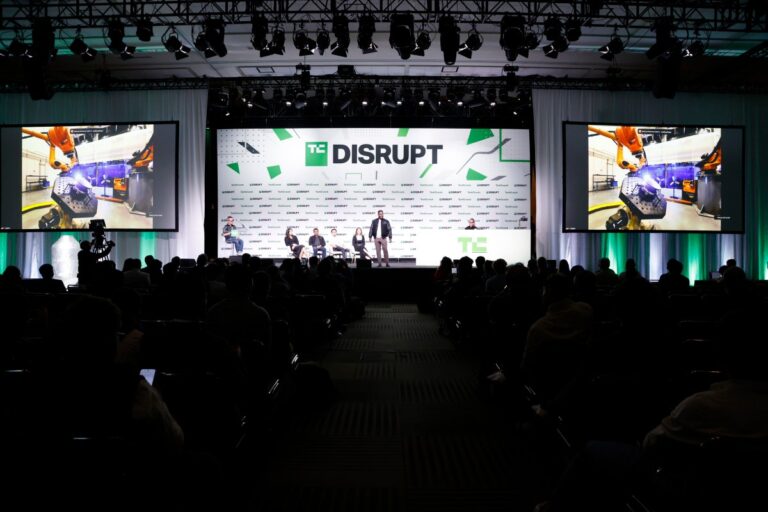
Scaling artificial intelligence is becoming a physical problem. Every new model, agent, and application requires a location to run, connected by a specific infrastructure layer. This reality shifted focus at TechCrunch Disrupt 2026.
Ben Longmier, CEO of Ambrosia Energy, and Bill Thayer, SVP and Head of Datacenter Solutions at Bloom Energy, joined the Smart Systems Stage on October 8. They discussed “Where the AI Infrastructure Boom Is Creating Winners.”
The session examined which constraints offer durable business chances, where new categories are forming, and what founders can build as AI moves further into the physical world.
The race shifts to infrastructure
Most discussion revolves around models, chips, and applications. None of these operate alone. Scaling AI depends on an expanding physical stack: power generation, grid connections, data centres, cooling, electrical equipment, and the systems required to keep everything running.
This creates a different kind of challenge. What happens when demand for compute grows faster than power and infrastructure can be delivered? Which shortages are temporary, and which could reshape the market for years? Where does a constraint stop being a problem and start becoming a category of its own? Those are the questions this session will tackle.
Rather than looking at AI solely through the software layer, Bill Thayer and Ben Longmier will examine the infrastructure underneath it — and what those pressures could mean for founders, investors, and companies planning for the next phase of AI growth.
Where do the real opportunities sit?
Infrastructure booms create opportunity, but the benefits are rarely distributed evenly. The challenge is identifying which parts of the stack genuinely need new solutions, where spending is likely to persist, and which emerging categories can support durable businesses rather than short-term demand.
Bringing together leaders across energy, data centre solutions, and market intelligence gives the discussion a wider view of that question. Expect the conversation to explore where constraints are appearing, how the market is responding, and which areas founders should be watching as more capital flows into AI infrastructure.
For founders, that means looking beyond the obvious AI application. For investors, it means understanding where infrastructure demand could create defensible markets. For tech leaders, it offers a clearer view of the physical systems increasingly shaping where and how AI can scale.
The next AI company may solve a physical-world problem
The next major opportunity created by AI may not look like an AI company at all. It could emerge in energy, data centres, cooling, grid technology, electrical equipment, infrastructure software, or entirely new categories that do not yet have established names.
The common factor is the same: AI is creating new demands on the physical world, and those demands need solutions. That is what makes this session broader than an infrastructure discussion. It is about understanding where the next markets could emerge — and who is positioned to build for them.
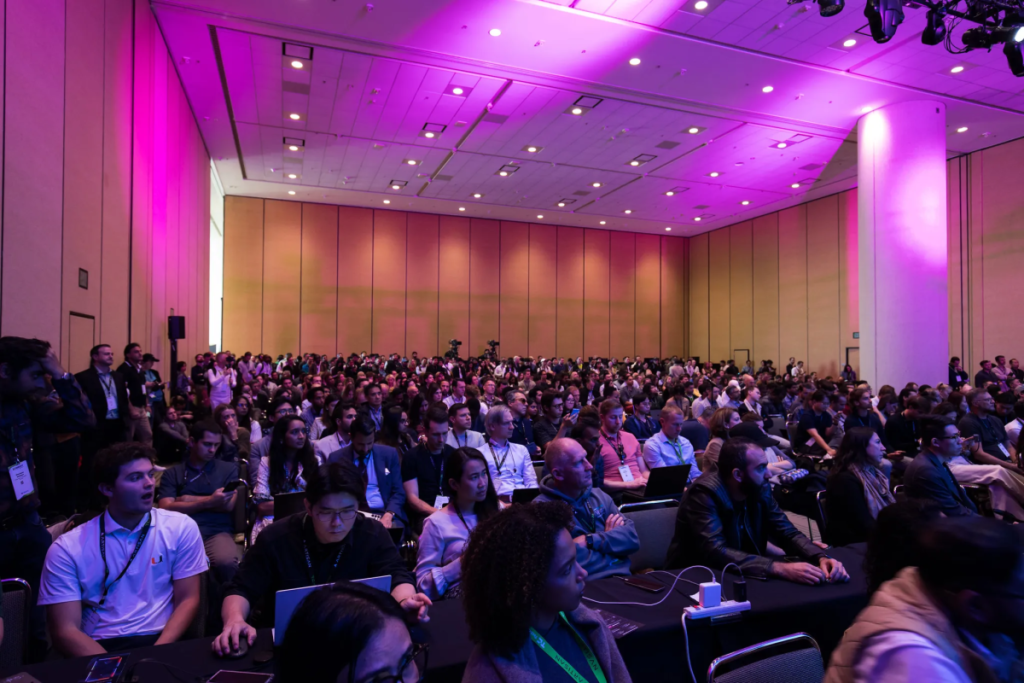
Join Ben Longmier and Bill Thayer at the Smart Systems Stage at TechCrunch Disrupt 2026 and explore where the AI infrastructure boom is creating its next opportunities. The event features 250+ speakers leading 200+ sessions.
Save up to $100 before doors open at Moscone West on October 13 at 8 a.m. PT. Bring a co-founder, partner, colleague, or peer and get 50% off a second pass of the same ticket type.
What it means
The event highlights that building the next generation of AI requires solving tangible engineering problems. Founders should watch for new business models in power and grid technology rather than just software applications.