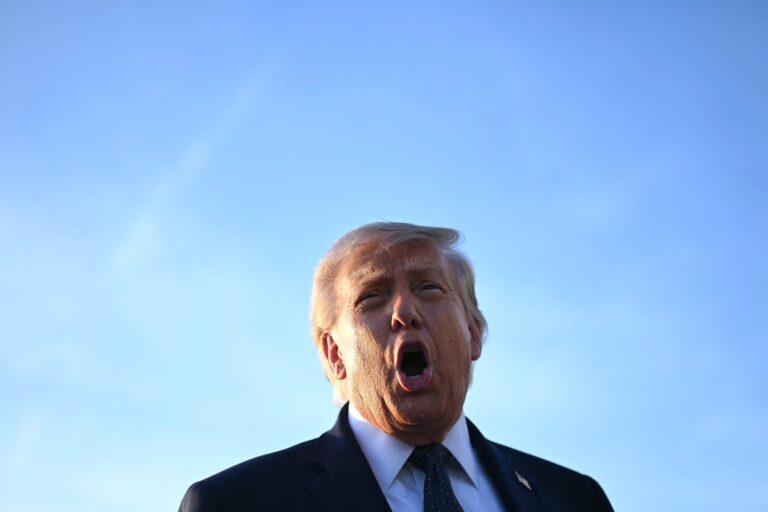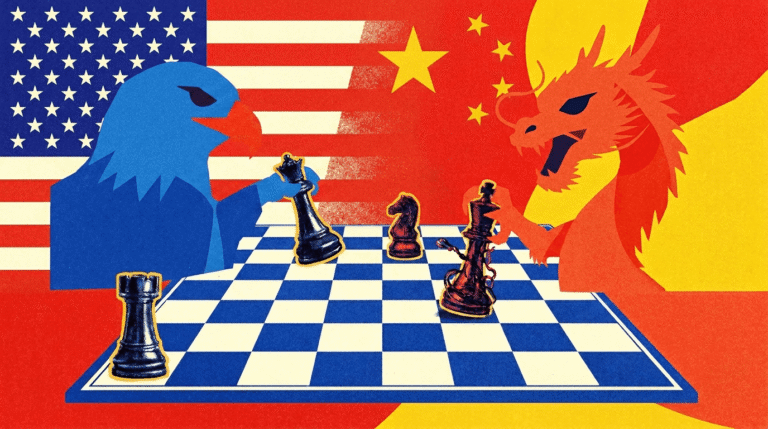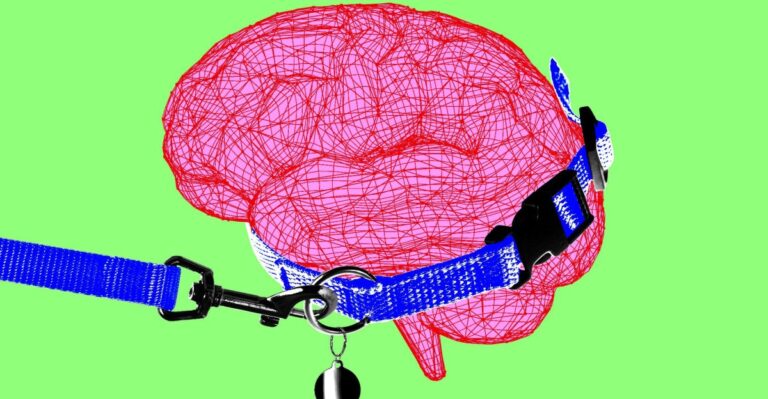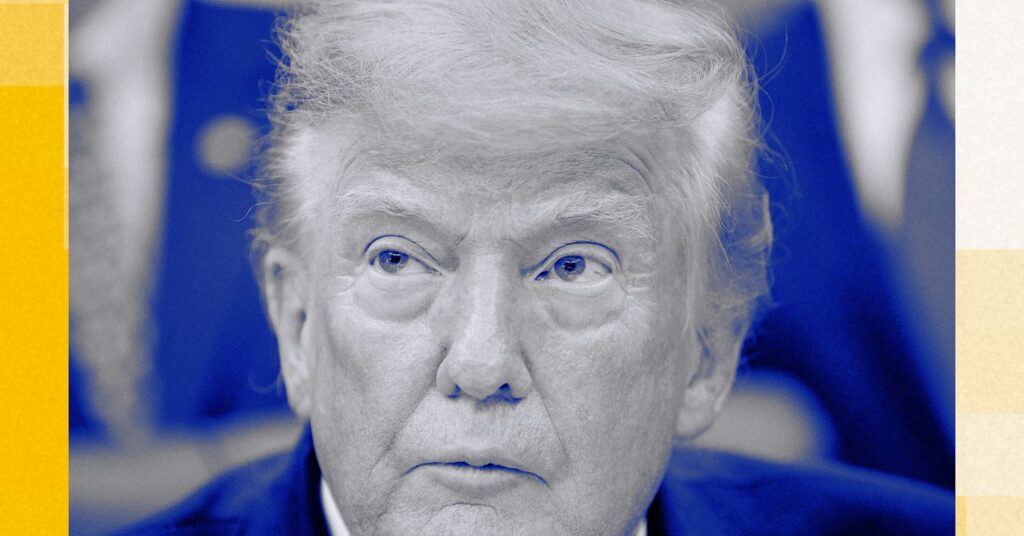
Seventy years after scientists gathered at Dartmouth College to coin the term “artificial intelligence,” President Donald J. Trump has issued an executive order banning the phrase. The directive, announced at a White House lunch with top industry leaders last week, replaces the term with “Super Intelligence.” The order demands that the private sector follow the government’s lead in renaming the field.
The silence in the room
Executives from major technology firms attended the lunch without raising objections to the mandate. Leaders including Jeff Bezos, Jensen Huang, Dario Amodei, Mark Zuckerberg, Sundar Pichai, Greg Brockman, Alex Karp, and Elon Musk did not challenge the president’s request to abandon a name that has defined their industry for seven decades.
Jacob Weisberg, author of Profiles in Cowardice: A Study of Collaboration in the Trump Era, describes the event as a loyalty test. The episode appears designed to assess whether powerful figures will demean themselves to avoid the president’s wrath. Weisberg notes that passing such a test often means failing the backbone test.
“The only way to resist this kind of thing is by acting collectively,” Weisberg says. He suggests that if the group had stated they accepted self-regulation but refused the name change, the outcome might have differed. Instead, the lamb-like silence allowed the president to claim the leaders actively blessed his idea.
When a reporter mentioned AI agents in the post-lunch press gaggle, the president corrected her. He stated, “The name has been changed by the biggest, the, smartest, the greatest people anywhere in the world.” This claim ignores the reality that none of those individuals had previously campaigned to retire the term. Satya Nadella once preferred the phrase “different intelligence” but continues to use the standard term repeatedly. Mark Zuckerberg established a Superintelligence Lab, yet his company still sells products labelled AI glasses and pushes Meta AI to billions of users.
No movement from the companies
I contacted Google, Microsoft, Anthropic, Meta, Amazon, OpenAI, and xAI to ask if they would change instances of AI in their product names, research papers, and communications. I also asked xAI and OpenAI if they planned to rename their companies to align with the presidential order. As of now, none have responded.
The expectation is that these firms will do the minimum required to avoid presidential ire while waiting for the next administration to resolve the issue. Some suggest the executives welcome a rebranding of a term that has become toxic, but the replacement term is arguably scarier. “Super Intelligence” implies systems that greatly surpass all human brains, whereas “artificial intelligence” covers a much broader range of tools.
Nick Bostrom, the philosopher who popularised the term superintelligence, expressed confusion over the change. He explained that “AI” includes email spam filters, spell checkers, simple navigation systems, early large language models, and 1970s chess engines that did not match human players. Referring to these as “superintelligent” seems awkward.
The logic of the ban
In a United Nations speech, the president stated he disliked the term because “the word ‘artificial’ makes intelligence fake. And it is not fake.” Later, he called the phrase itself a fake word and an inappropriate term. This impulse mirrors his decision to remove CNN, Politico, and MSNow from White House access, viewing their reporting as fake.
The leap from artificial to fake does not hold up. In 1956, John McCarthy used the term to distinguish human intelligence from machine intelligence. The issue is not that the output feels fake; it is so real that humans often cannot tell if they are interacting with an AI model or a person. Mandating explicit distinction through watermarks and labels should be part of regulation, yet the White House appears allergic to such measures.
What it means
California governor Gavin Newsom issued a counter-decree allowing the use of “artificial intelligence,” but the voluntary standards resulting from this conflict cast doubt on even that agreement. Making effective safety standards requires fortitude, yet we are asked to trust corporate giants who nodded while a technologically unschooled leader demanded they abandon the term at the center of their lives and livelihoods.
The executives left the lunch with the prize of self-regulation instead of strict oversight, but they did not leave with their dignity. The failure to defend the freedom to refer to the technology as artificial intelligence undermines the credibility of any future safety agreements.