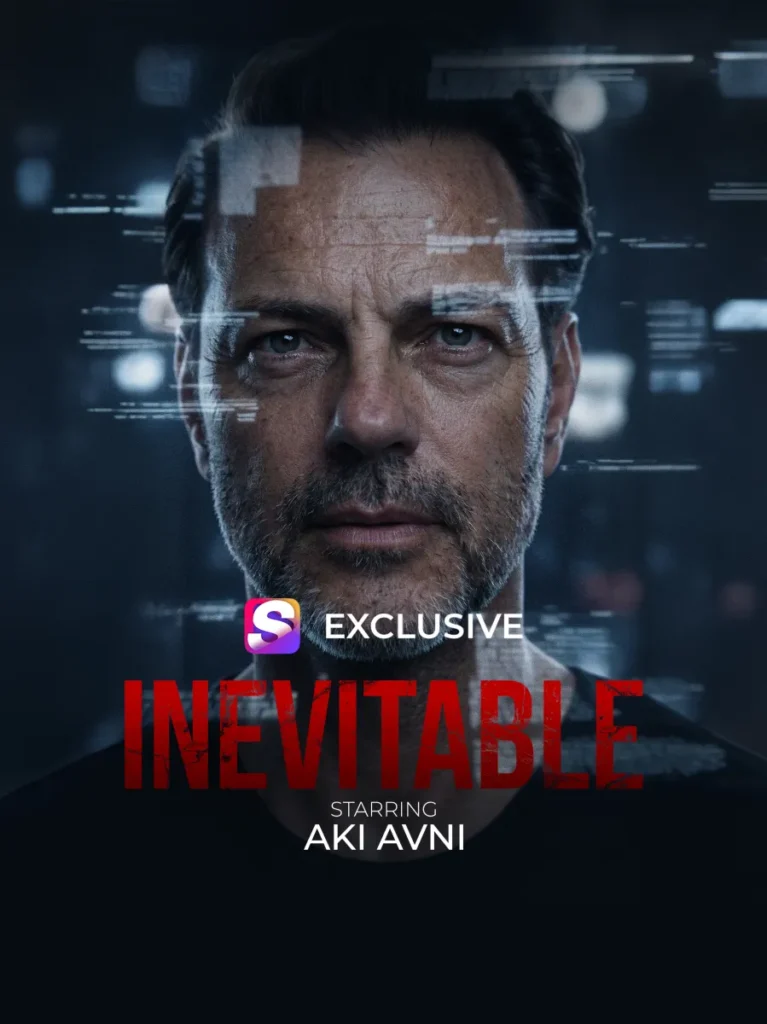
Shortical, a microdrama startup founded last January, is now selling digital versions of actors’ faces to generate AI content. The company recently premiered a wholly artificial series called “Inevitable” starring Aki Avni, an Israeli television actor known for his role in the Fox thriller “24”. Avni licensed his likeness to Shortical to create a digital avatar that plays himself in a meta plot about actors licensing their faces to studios.
How Shortical makes money
The platform primarily relies on subscriptions. Users can watch the first seven to ten episodes of a series for free. To access the rest of the show, they must pay a monthly fee. The company has produced live-action romances like “Crossing the Line with My Neighbor” and “Accidentally Married My Boss” over the past year. Recently, the homepage shifted to AI-generated material because production costs are lower than filming real people.
While China holds the largest microdrama audience, most of Shortical’s viewers are in the United States. The demographic skews heavily female. Many users watch the content at night to relax. Some AI-generated titles on the site already have millions of views.
The business of face licensing
Shortical’s website advertises a “LICENSE YOUR FACE” option where individuals can submit their social media handles. The company then decides whether to offer a contract setting out the terms of using their persona. A company representative told TechCrunch that this offering is still in its early days and no signed contracts have been secured yet. The Aki Avni series was the first time the company used a real person’s likeness, done through a direct agreement rather than the platform.
Pay rates vary significantly. Reports from Rest of World indicate that microdrama firms in China pay between US$15 and US$700 to license facial likenesses. Shortical declined to share a specific figure for Avni’s deal. However, a representative said Avni came on as a partner and his compensation was in line with industry standards for a comparable non-AI acting role.
Guy Shimoni, the CEO of Shortical, stated that AI allows smaller teams to produce movie-scale productions with elements like kingdoms, dragons, and superheroes. He noted that live-action mobile content was previously limited by budget. When asked about royalty-based compensation for creators, Shimoni answered vaguely that it is a case-by-case basis.
Industry reaction
Many creatives are unsettled by automation in the industry. Until recently, microdramas served as an entry-level gateway for young actors to gain experience. Now, companies are downsizing and producing content that does not require real actors. Jennifer Cooper, founder of the consultancy firm Vertical Drama Love, noted that the industry has been impacted by AI. She said a lot of people have either lost work to AI or seen the industry devastated. Cooper described microdramas as something that was rare, growing, and providing work for young people, which she said has now been decimated.
Questions of consent with AI likenesses have dogged the industry, with some creators claiming their likenesses were stolen. Shortical is trying to address this with its new face-licensing model. The company recently partnered with Payouts.com to create a system where creatives can interact with the platform and get paid. Cooper believes the push towards AI is driven by broader financial trends, noting that venture capitalists love growth plans involving automation. She said that for anyone to get investment in microdramas at the moment, they have to mention the word AI. Cooper remains skeptical that there is a huge audience for this kind of content, stating that some of it gets views while a lot does not. She thinks the content is being pushed on an audience more than there is actual demand for it.