Canva launches image generation model
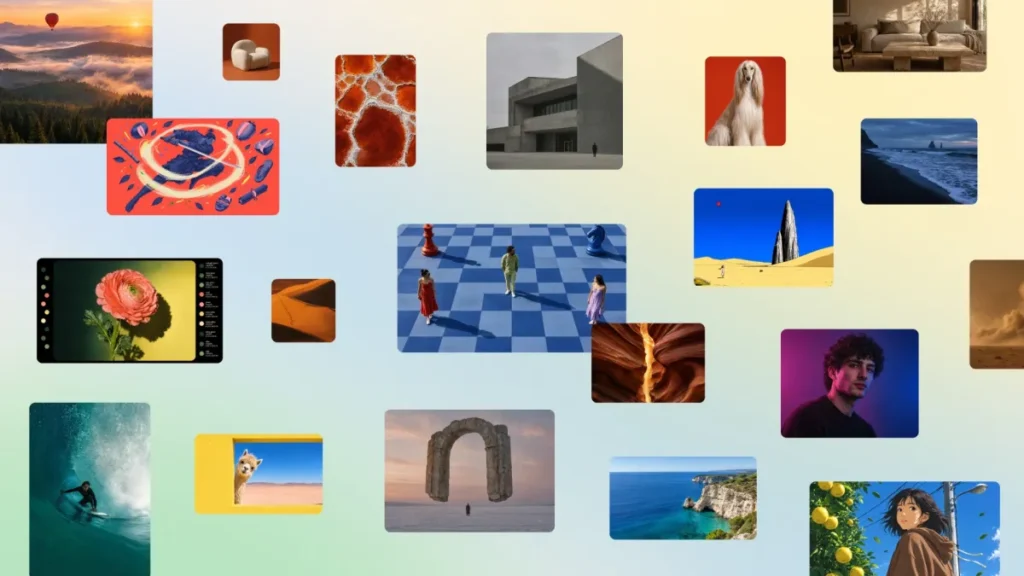
Canva has released its first image generation model, Canva Craft. The tool is designed to compete with offerings from Google, OpenAI, ByteDance, and Meta.
How the model works
The system operates in two steps. First, it reads a user prompt to build a plan. This plan covers spatial relationships, scale, visual hierarchy, and text generation data. Second, the model creates an image up to 2K resolution in one of 30 aspect ratios.
Canva claims this method ensures accurate object details and legible text. Users can also make precise edits without altering other parts of the picture.
Training on designs
Unlike many rivals, the model was trained on designs rather than photographs. Researchers used human-made templates from Canva’s library, including posters, social posts, presentations, infographics, menus, and typography-heavy layouts.
Images generated by Canva Craft can be converted into layered designs via Canva Magic. This tool acts as an image-to-design transformer. The platform released a model last year that understands design layers.
Availability and costs
All users can access Canva Craft from the Dream Lab tab. The model is also available through the Canva API. Canva plans to support image generation in third-party chatbots like ChatGPT and Gemini via its Model Context Protocol.
Canva has used several image models for generation on its platform. Moving to its own model likely reduces API costs. The company also notes better quality and speed control are possible.
Leonardo.ai connection
Canva acquired Leonardo.ai in 2024. Researchers from that company contributed to the new image model.
Canva is developing two cost-efficient versions called Craftfast and Craft-ultrafast. These will be released soon.
Financial context
Canva was on track for $4 billion in revenue last year. However, it cut its growth forecast for 2026. External analysts report its valuation fell from $42 billion to $35 billion.
What it means
For people making things, this means Canva can now generate images directly on its platform without relying on external providers. The focus on design-based training suggests outputs will fit better into existing templates. The new API and chatbot support also mean integrations will become easier to manage.