Tuesday saw Google release TorchTPU, an open-source version of PyTorch designed to run on Google’s Tensor Processing Units.
The hardware battle
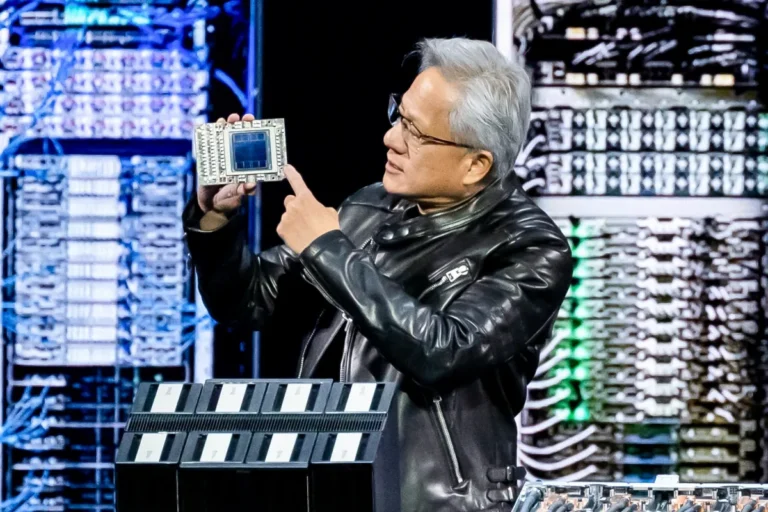
This move places Google alongside Amazon in a campaign to reduce reliance on Nvidia’s GPUs. Nvidia currently holds a dominant position, as the majority of AI applications are built to run on its chips by default.
PyTorch remains the standard toolkit for building and training models. Estimates suggest it powers 85% of AI applications. Meta developed the project in 2016, before large language models became a priority. At that time, Nvidia hardware was already the industry standard, so the software was built to work specifically with those chips.
In 2022, Meta transferred PyTorch to the Linux Foundation. The nonprofit now manages the project alongside other major open-source initiatives.
How the new tools work
TorchTPU allows applications to execute on Google’s chips. Developers can shift existing PyTorch apps to Google Cloud with a simple configuration change. No code rewriting is required.
Amazon made a similar announcement on Monday with TorchNeuron. This version supports Amazon’s Trainium chips and AWS infrastructure without requiring application changes. Amazon has also submitted code to the main PyTorch project. This work decouples specific features from Nvidia hardware, making the software more open to other chips by default.
Google’s approach
Google claims to have collaborated directly with Meta, Hugging Face, Inferact, RadixArk, and other key developers. These partners helped ensure TorchTPU integrates well with popular AI tools, matching the experience of the original PyTorch.
The search giant has also launched a dedicated TPU agent suite. This tool assists developers in migrating apps to Google’s infrastructure and resolving errors. Google updated its LiteRT tool to improve compatibility with PyTorch on phones, laptops, and embedded devices as well.
What it means
Developers will not automatically abandon Nvidia hardware simply because alternative options exist. However, Amazon and Google are actively removing the technical barriers that previously favoured Nvidia. Their goal is to ensure that choosing a different chip or cloud provider does not require a complete rebuild of an application.