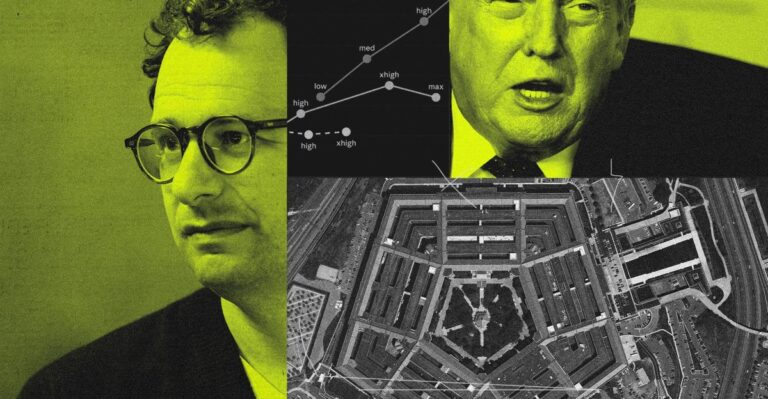
A federal judge in California has stopped the Trump administration from banning Anthropic from federal contracts, ruling that the move was illegal retaliation.
US District Judge Rita Lin vacated a February 27 order by Defence Secretary Pete Hegseth. Hegseth had labelled the company a supply-chain risk and barred it from federal work. The judge also lifted a separate measure that prevented military contractors and suppliers from doing business with Anthropic. Lin called that second step arbitrary, capricious, an abuse of discretion, and not in accordance with the law.
The ruling
The judge wrote in a 59-page decision that while the Department of War is free to pick its own AI vendor, the evidence shows the broad measures imposed on Anthropic were baseless. Lin noted that nine agencies, including the Pentagon, the Treasury Department, the State Department, and the Department of Homeland Security, had improperly imposed sanctions. Those penalties are now removed.
Lin clarified that the Pentagon is not required to use Anthropic’s models. The ruling does not stop the military from choosing other technology. A Pentagon spokesperson could not be reached for comment, but an appeal is expected.
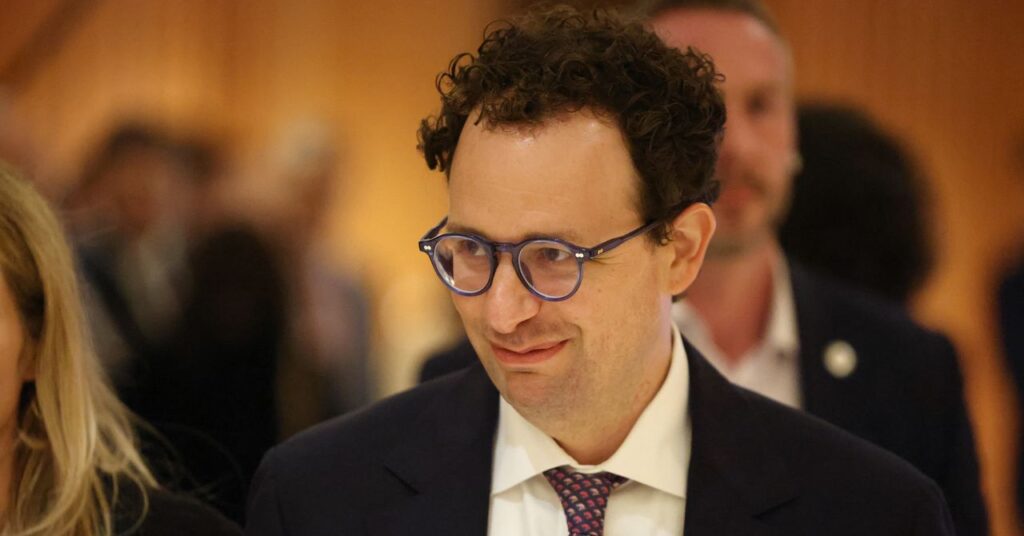
Anthropic spokesperson Danielle Cohen said: “We welcome the court’s ruling that this supply chain risk designation was unlawful. We remain focused on working productively with the government to harness AI for our national security.”
The dispute
The case follows a bitter argument earlier this year over a $200 million deal to use the lab’s Claude models for military applications. The rift began after reports that the US used Claude in the operation to capture Venezuelan president Nicolas Maduro. An Anthropic staffer raised concerns with US officials via a Palantir employee about how the models had been used.
During negotiations, Anthropic insisted on limits regarding how its models could be deployed, specifically opposing support for lethal autonomous weapons and mass surveillance systems. Hegseth rejected any curbs, arguing a contractor could not dictate technology use once deployed. He insisted the contract allowed “all lawful use.”
After talks broke down in February, Hegseth designated Anthropic a supply-chain risk. This label blacklisted the company from federal business. The Pentagon stated at the time that giving Anthropic access to classified systems would “introduce unacceptable risk” if the lab could disable or alter its technology during wartime.
Anthropic filed two lawsuits accusing the Pentagon of violating First and Fifth Amendment protections on ideological grounds. One case is in a federal district court in California. The other is at the US court of appeals for the District of Columbia and is ongoing.
Anthropic’s top models are among the most powerful available. Apart from the supply-chain risk label, the Trump administration recently placed the company’s models under new oversight rules because of their capabilities.
Lin cited the administration’s involvement in reviewing advanced Anthropic models as part of her reasoning. “Even now, the government is discussing collaboration with Anthropic on its new model, Mythos, in an array of sensitive contexts,” she wrote. “None of that is consistent with a genuine fear that Anthropic is a saboteur who would poison its software to harm national security.”
What it means
For the company, the immediate hurdle is removed. They can now bid for government contracts and suppliers can work with them again. However, the Pentagon retains the right to choose a different vendor. The legal battle has not settled the underlying disagreement over how the technology is used in conflict zones or the specific restrictions Anthropic wanted to place on autonomous weapons.