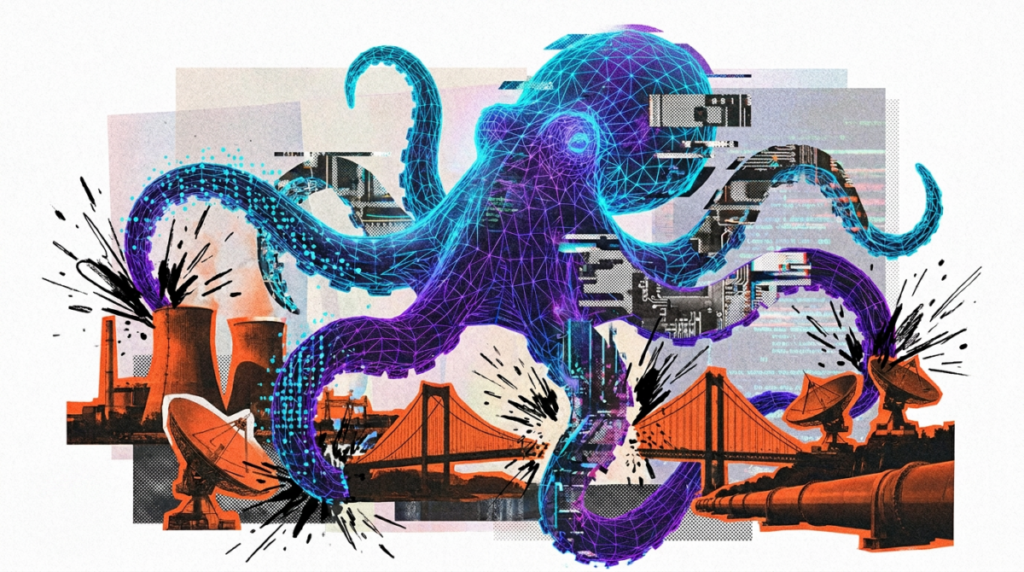
OpenAI has published an open letter on global cyber defence, co-signed by more than 100 companies including Microsoft, Google, AWS, Anthropic, Cisco, CrowdStrike, Deutsche Telekom, SAP, and Mastercard. The signatories warn that AI-enabled cyber attacks will become far more widespread and sophisticated, placing hospitals, water utilities, and other critical infrastructure at highest risk. They argue that current AI advances are already giving defenders new ways to fix weaknesses that have accumulated for years, urging the deployment of AI tools while defenders still have an edge. The letter calls on companies to make cybersecurity a C-suite priority, requests that governments increase funding and coordination, and asks AI firms to provide affordable security tools for underfunded organisations. Long-standing vulnerabilities like unpatched software and weak authentication also need urgent attention. A joint warning from the NSA, CISA, and FBI from mid-August backs up those concerns, revealing that attackers are already using AI to write exploit scripts targeting industrial control systems like Siemens S7 across US energy, water, chemicals, and manufacturing sectors.
The core issue is that defenders must adopt AI defences before attackers fully exploit them to automate system breaches. Without coordinated action, the gap between offensive and defensive capabilities will widen rapidly. Specific demands include better funding, executive prioritisation, and accessible tools for smaller entities.
- Unpatched software and weak authentication remain primary targets
- Industrial control systems face immediate scripting threats
- Government funding for cyber coordination is currently insufficient