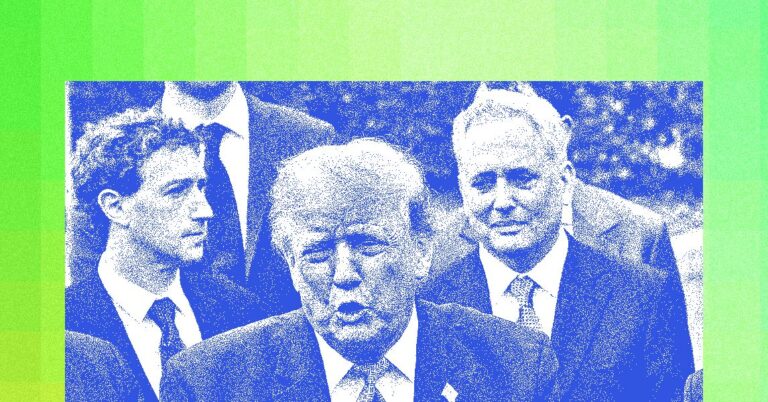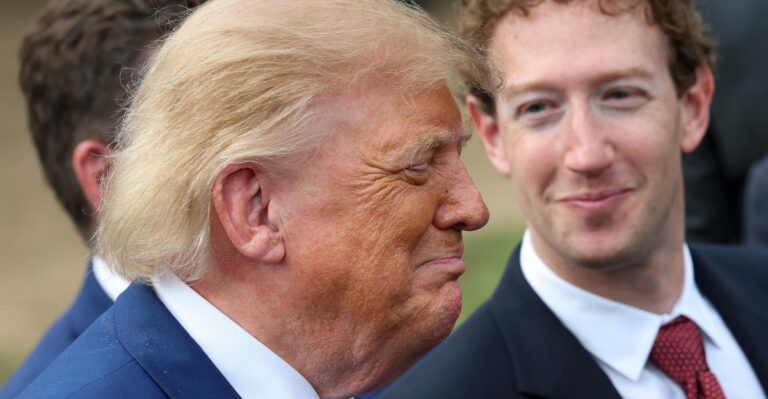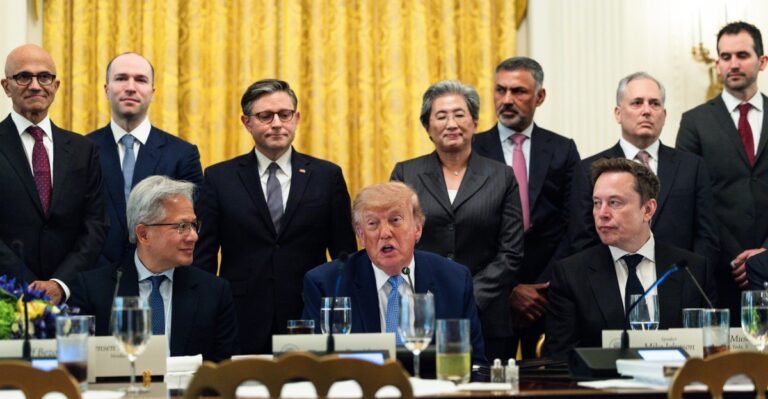
On Tuesday, executives from Google, Anthropic, Meta, OpenAI, xAI, and Nvidia signed the White House Accord on Super Intelligence, a document announced after a lunch hosted by President Donald Trump.
Voluntary pledges lack teeth
The agreement represents what Trump called an act of tremendous self-regulation, yet it falls short of the comprehensive rules many within the tech sector have requested. Breaking these public promises might technically count as lying to customers, but such a violation would not trigger the massive reforms some observers hope for.
The statement outlines four main steps for companies. First, they should establish internal controls to monitor their models and prevent them from acting unpredictably or causing unintended hacks. Second, firms must empower an internal team to carry out this work and fix problems when they arise. Third, the text encourages partnering with an external monitor to conduct independent assessments of these efforts. Finally, boards of directors should set up committees to receive reports on all of these activities.
These voluntary commitments suggest the major labs are trying to build products safe for the general public. However, hopes for a blanket blessing from the US government were quickly dashed. News broke that the Federal Trade Commission intends to investigate several AI companies over potential consumer protection issues.
The statement concludes weeks of debate over AI regulation. It also follows frontier AI labs seeking an antitrust exemption to coordinate on safety work without regulatory scrutiny. Antitrust experts argue such an exemption is unnecessary because the risk of AI ending humanity is arguably anti-competitive, as humans remain an essential part of any marketplace.
Previous attempts at safety
This is not the first time these companies have signed a voluntary agreement with a government regarding AI safety. In early 2025, the United Kingdom and the Republic of Korea announced Frontier AI Safety Commitments. Those promises included conducting internal and external red-teaming of AI models for severe and novel threats, as well as working toward information sharing on AI safety issues.
Google, Anthropic, Meta, OpenAI, xAI, and Nvidia did not respond to requests for comment. The White House also did not immediately respond.
Neil Chilson, a former chief technologist for the FTC, posted on X that the accord is the kind of pledge the FTC could potentially enforce if a company materially failed to follow through.
Those hoping for a sweeping settlement or a dramatic reining-in of rogue super intelligence based on these accords alone might find themselves disappointed.
Not following through on a public promise could be considered a deceptive business practice and a violation of the FTC Act. When the FTC alleges a company deceived its customers, the remedy it usually prescribes is making the company promise not to lie again.
For example, the FTC recently settled with three companies after alleging they touted a service that helped businesses target ads based on audio recordings from smartphones, smart TVs, and other devices. The agency said the companies lied to businesses about their ability to creep on consumers. The fix was that the companies were no longer allowed to misrepresent their advertising services and the collection and use of consumers’ voice data. The case did not address whether it is okay to collect voice data from your phone, and the settlement did not set out any guardrails if one of the three companies wanted to actually do that in the future, other than not lying about it.
OpenAI has been remarkably open about the number of times its agents have broken into other people’s systems and how it needs to improve its safety practices. Experts told WIRED that the US government can open investigations into companies even if it eventually decides there is no enforcement action to bring. The FTC reportedly sent a civil investigative demand to OpenAI in 2023, though it is unclear what came of that.
Following Tuesday’s AI luncheon with Trump, the New York Post reported that the FTC was planning a sweeping probe into Anthropic, OpenAI, other unnamed frontier labs, and a nonprofit called METR that does third-party evaluations. METR and the labs did not respond to a request for comment.
The Post says the agency has not yet issued any civil investigative demands to its intended targets, usually one of the first steps in any sort of investigation. An FTC spokesperson confirmed there is some sort of investigation but declined to provide additional details, including what consumer protection issues were of concern.
FTC chairman Andrew Ferguson, who was included on the super intelligence luncheon’s seating chart, has previously explained that enforcers do not always have a fully baked case from the get-go. You are constantly looking for smoke to see if there is fire, he told a crowd of antitrust enthusiasts last year.
Even if the FTC investigation moves forward and the agency identifies violations, some are skeptical it will result in any action against the AI firms.
It should be encouraging to Americans worried about AI that the FTC is investigating these companies, says Douglas Farrar, who was the head of public affairs for the FTC during Lina Khan’s tenure as chair. But let us remember that Ferguson may chair the FTC, but Donald Trump runs it. I doubt after yesterday’s love fest with his AI CEO buddies that Trump will allow any legal action with teeth against these companies.
What it means
The industry has secured a document that looks serious but relies on self-reporting. Meanwhile, the FTC is moving independently to check if companies are actually deceiving consumers about their data practices. The outcome of these investigations will likely determine whether the current voluntary approach holds any weight or if the government steps in with actual penalties.