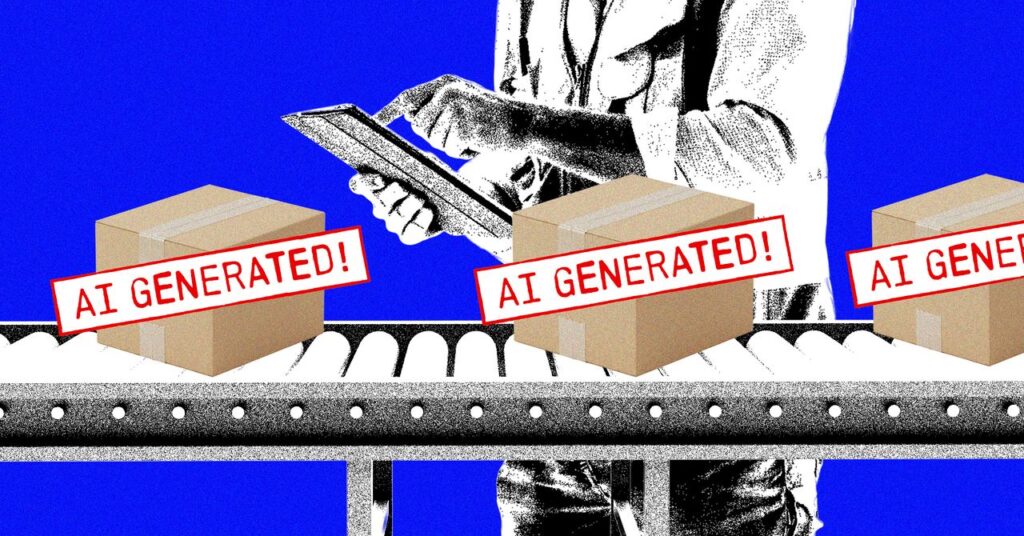
Meta disabled a feature that let anyone generate deepfakes of Instagram users without permission after just three days of public anger and viral criticism.
That reaction is not isolated. Meredith Broussard, a data journalism professor at New York University and author of Artificial Unintelligence, notes that the technology has arrived, yet most people dislike it. A recent Gallup poll shows negative attitudes toward the tech are rising alongside familiarity. Nearly half of Americans aged 18 to 29 believe the technology causes more harm than good.
Companies are listening
More organisations are removing unwanted features directly. LinkedIn added a button to flag content that looks like AI slop. Snapchat removed fully AI-generated videos from its discovery feed. Substack introduced an AI detection tool to monitor writers.
The core issue is consent. Users did not agree to have their online interactions scraped for model training. They did not ask for AI answers to dominate search results. Features appeared in essential software without permission.
Nick Seaver, an associate professor of anthropology at Tufts University, explains that companies often roll out features and wait to see if they stick because no one knows the purpose. Google reversed the ability to use generative AI to edit satellite images on Google Earth almost immediately after launch, following reports from 404 Media. Meta turned off the deepfaking tool after the backlash.
Marketing and infrastructure face pushback
Brands are seeing rejection of AI visuals. Major companies like McDonald’s and Coca-Cola faced negative reactions for using generative AI in advertisements. Local shops have also faced complaints for using AI-generated posters to promote events.
Protests are now targeting the physical infrastructure powering these tools. Emily Bender, coauthor of The AI Con, describes data centers as focal points of environmental and economic damage. Americans across the political spectrum have united in opposition to their construction.
Workplace mandates
Some software developers in San Francisco view mandatory use of generative AI tools as obligatory rather than optional. During layoffs at Jack Dorsey’s fintech company Block, one employee described top-down mandates to use large language models as crazy. They argued that if the tool were good, everyone would use it voluntarily. They do not want to be forced to use tools that are morally questionable and prone to errors.
Public pressure is working to remove features. Broussard encourages organising through both traditional and digital methods to remind companies that collective action matters.
What it means
Users can stop unwanted features by reporting them, organising protests, and refusing to adopt tools at work. The technology is not inevitable; it is subject to public demand.