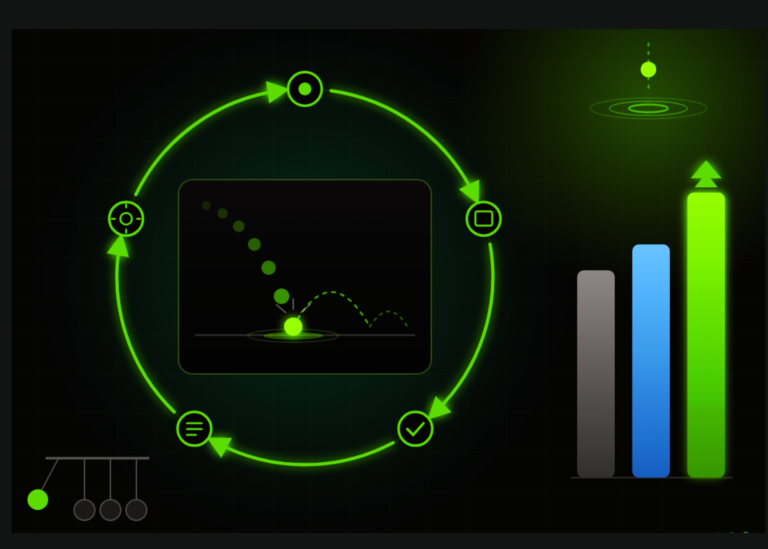

Nvidia researchers have published findings suggesting that massive context windows in language models often provide poor value compared to simpler retrieval methods. The study indicates that periodic summaries and targeted lookups frequently match the performance of processing entire novels at once, yet cost significantly less. A language model’s context window acts as its working memory, holding all visible information during reply generation. While GPT-4 launched in March 2023 with 8,192 tokens, current models like GPT 5.6 Sol handle around one million tokens. This capacity allows systems to ingest roughly 120 times more data than the original, covering works as long as Tolstoy’s “War and Peace”. The argument highlights that scaling memory indefinitely does not automatically improve reasoning or reduce hallucinations. Instead, the research points to diminishing returns where computational expense outweighs marginal accuracy gains. Developers should consider whether storing every token is necessary for their specific tasks. The focus shifts from raw memory size to efficient data access strategies. Practical applications require balancing cost against the actual need for long-range information.
- Periodic summaries matched full-context performance in many tests
- Targeted lookups offer a cheaper alternative to massive windows
- GPT 5.6 Sol processes approximately one million tokens