Station F in Paris is preparing to launch its second cohort of the F/ai accelerator this September, targeting a shift from early product development to actual revenue generation.
The physical space is just the beginning
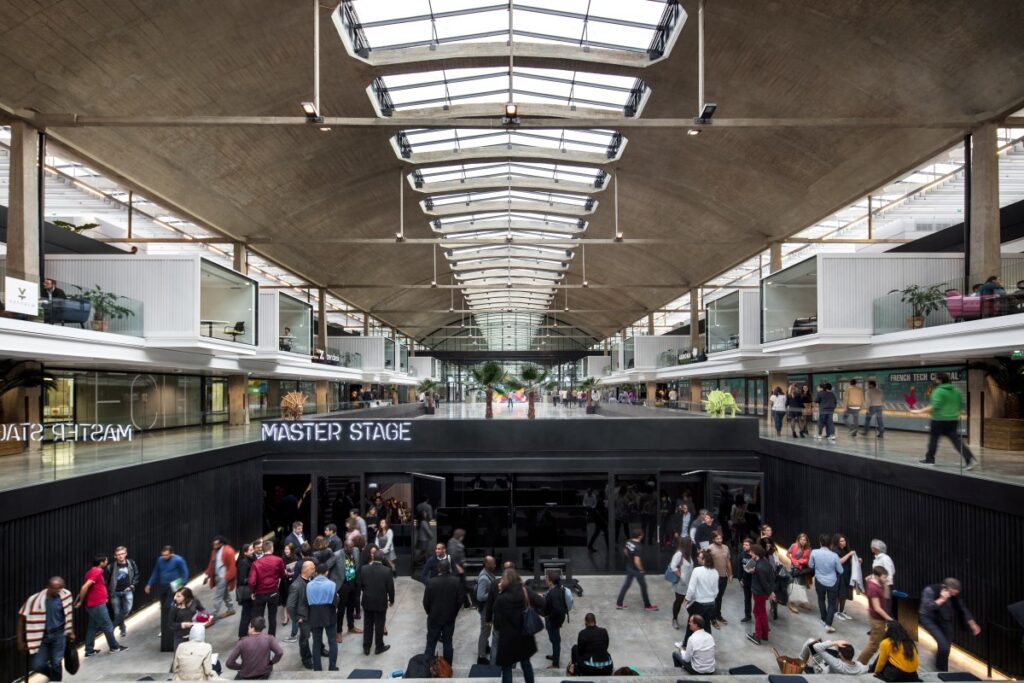
Roxanne Varza, director of the hub, told TechCrunch that the 538,000 square feet of space represents only part of the operation. The facility aims to act as a direct bridge for promising artificial intelligence companies.
Since the initiative began in January, the plan has been to move a small group of AI-focused startups from concept to income within weeks.
A history of AI success
Station F hosts an annual selection called Future 40, where the team identifies the most promising groups among roughly 1,000 companies welcomed each year. In 2024, TechCrunch noted that nearly every team in that annual cohort integrated AI into its core business model.
The hub now sits at the centre of the rise of artificial intelligence startups in France. It has used this position to take equity stakes in Future 40 companies, noting investments have occurred since 2022.
High-level officials frequently visit the site to connect with Europe’s technology scene. There have been at least 11 presidential visits since President Emmanuel Macron’s first tour in 2017. The location has also welcomed major figures such as Sam Altman, ties now being used to support F/ai.
Backed by major players
The first group of the F/ai program received backing from a wide range of significant technology companies. These included AMD, Anthropic, AWS, Clay, Google, G42, Hugging Face, Lovable, Meta, Microsoft, Mistral AI, OpenAI, OVHcloud, Snowflake, and Qualcomm, alongside several venture capital funds.
The second cohort will include additional large names, according to TechCrunch. These additions are Eleven Labs, Nebius, Rippling, OpenRouter, Hubspot, and Github.
“The goal was to bring together all the major players and make it much easier for [AI] startups looking to launch in Europe to connect with them,” Varza said.
Speed and revenue
Two teams from the first batch have already gained international recognition. Alpic won the global grand finale of The Pitch, a competition organised by Deel. Rippletide won the OpenAI Codex Hackathon.
While awards rarely hurt, especially when they bring funding, F/ai is focused on helping its cohort generate revenue. The target is €1 million, or about $1.14 million, within six months.
“We’d heard quite a bit of criticism about the slow pace of commercialization of European startups,” Varza said. “This brings them on par with what investors are seeing in the U.S.”
Investors appear interested in the results so far. The first cohort collectively raised $34 million in pre-seed funding, Station F stated. The teams’ track record may have also helped: 80% of these 20 AI startups were founded by repeat entrepreneurs, a third of whom hold PhDs.
Access and application
The founder profile skews this way mostly because F/ai selects its cohort exclusively via recommendations from founders, partners and investors. This process could add to the cliquishness and elitism France’s tech scene is at times accused of.
Although teams cannot apply directly, they can contact one of F/ai’s many partners, and perhaps soon alumni, Varza said. She added that Station F has about 30 other programs startups can apply to.
Access appears to be a key focus for F/ai, which has previously hosted figures like Turing Award winner Yann LeCun for private chats.
“Today, if the founders here want to speak to people at this level, they all seem to think they need to go to the U.S. and join a program there. We actually want to show that you can stay here and do it from here,” Varza said.
What it means
For the people building these tools, the change is simple: they do not need to leave Europe to access top-tier capital or technical partners. The hub aims to keep the entire development cycle, from building to funding, within the French ecosystem.