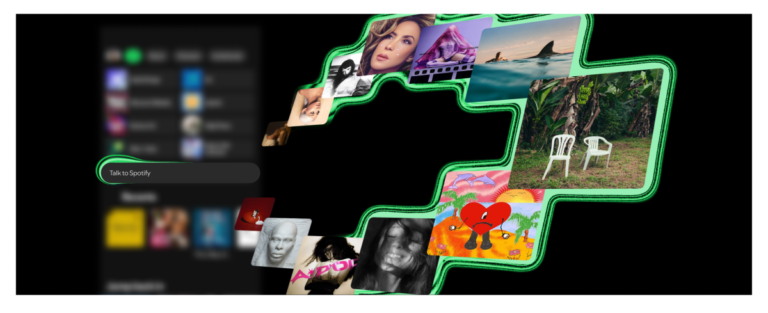
Spotify has confirmed it is expanding its AI music initiative to allow fans to create covers and remixes with artist consent, following a partnership announcement with Merlin.
During the company’s second-quarter earnings call on Tuesday, executives revealed that Merlin, which represents independent labels and distributors, has joined Universal Music Group on the project. This move brings more than 30,000 labels from Merlin’s network into the fold. The tool enables fan-made covers and remixes only for artists who agree to participate.
Spotify distinguishes this offering from the controversial AI music startups generating fully artificial songs. Gustav Söderström, co-CEO of Spotify, told investors on Tuesday that the product focuses on “real artists, not fake artists.”
Alex Norström, the other co-CEO, added that the company wants artists to consent to having their work added to the catalog so people can play around with covers and remixes based on their art. Norström also stated that the company gives credit and drives compensation for this activity.
“We not only have the consent and give credit, but we also drive the compensation for this. So, really, we’re talking about the first legal way to partake in this AI tailwind that we see coming for interactive music,” Norström said.
AI music has already flooded streaming services. Deezer recently noted that more than 50% of daily track uploads were generated with AI, up from 10% in January 2025.
Spotify told investors that a research preview of the fan remix and covers product would initially be made available to a subset of users. The company noted that it would not require a full music catalog to get started. No launch date was provided.
The new tool will launch as a paid add-on, creating an additional revenue stream for artists, Spotify previously said.
Söderström described the remix and covers feature as an incredibly exciting product because there is no one else that can really do this. Normal generative music will happen with or without Spotify, but this product will not happen without the platform and it needs to exist so that existing artists can participate.
What it means
Artists receive a direct financial incentive and legal protection for their work, while fans gain access to a specific type of interactive music that currently does not exist elsewhere.