For creators and makers in the audio and creative sectors, the SpaceX listing is a landmark event that reshapes the financial landscape of high-stakes technology. While the immediate impact on AI music tools or satellite-based creative distribution is indirect, the capital influx signals a new era where venture-scale ambition meets public markets. The sheer volume of the deal, priced to make Elon Musk the world’s first trillionaire, sets a precedent for how future tech giants will structure their growth, potentially altering the funding models for the very tools artists rely on.
Tracking the listing
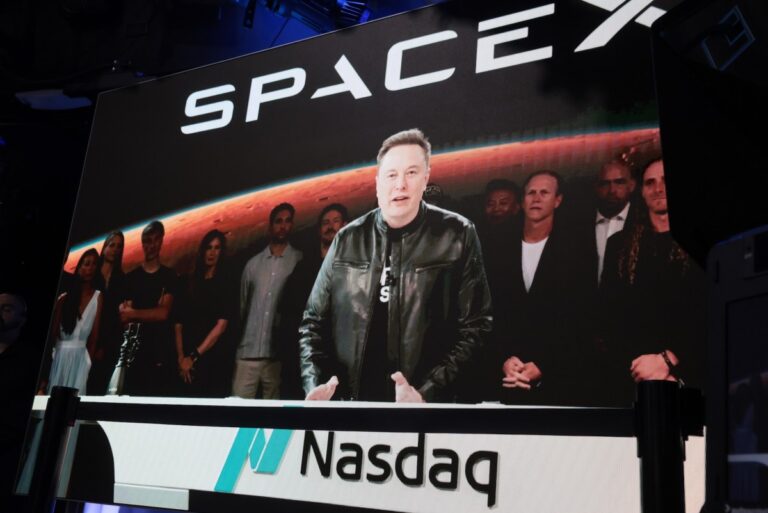
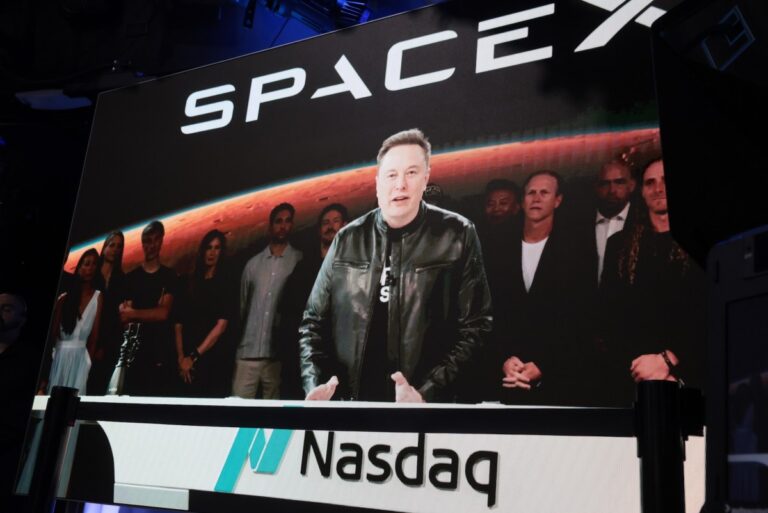
The stock is set to debut on the NASDAQ. Investors can monitor the opening price via the official exchange listing page, which will update once trading commences. For those interested in the ceremonial aspect, NASDAQ provides video footage of the SpaceX team ringing the opening bell.
However, relying solely on the exchange ticker is insufficient for real-time insight. The most reliable source for minute-by-minute updates remains financial news outlets like Bloomberg and CNBC. These platforms are running liveblogs and will offer the most comprehensive coverage should any technical hiccups arise during the market entry.
The financial reality
The S-1 filing reveals stark figures. In 2025, SpaceX recorded a loss of $4.9 billion against revenues exceeding $18 billion. This represents only a fraction of the more than $37 billion in cumulative losses since the company’s founding.
Elon Musk retains approximately 85.1% of the voting power, a figure that will be explored further in the section regarding corporate control.
According to The New York Times, roughly 4,400 SpaceX employees could see their net worth rise into the millions following the flotation.
Who benefits, and who doesn’t
This historic offering delivers a significant payout for select investors, staff, and the CEO. Elon Musk will consolidate more than 50% of the voting power, securing a monarchical grip on the publicly traded entity that far exceeds the control typically enjoyed by other tech founders.
The primary beneficiary is Musk, who holds the largest stake by billions of shares, though a select inner circle also stands to gain. The breakdown of ownership is substantial.
Conversely, lower-tier SPV investors face uncertainty. Their true holdings remain opaque until post-IPO lock-ups expire, exposing them to potential hidden fees, delayed payouts, and the risk of fraud.
Inside the S-1 filing
The registration document provided an unprecedented look into the company’s finances and diverse business verticals. As the IPO date approached, the filing was amended repeatedly. Key areas include heavy investment in AI, ambitious Starship projects, and the central role of Elon Musk.
The business is currently dominated by the Starlink satellite internet service. The filing details over $37 billion in historical losses and outlines future prospects through the xAI division.
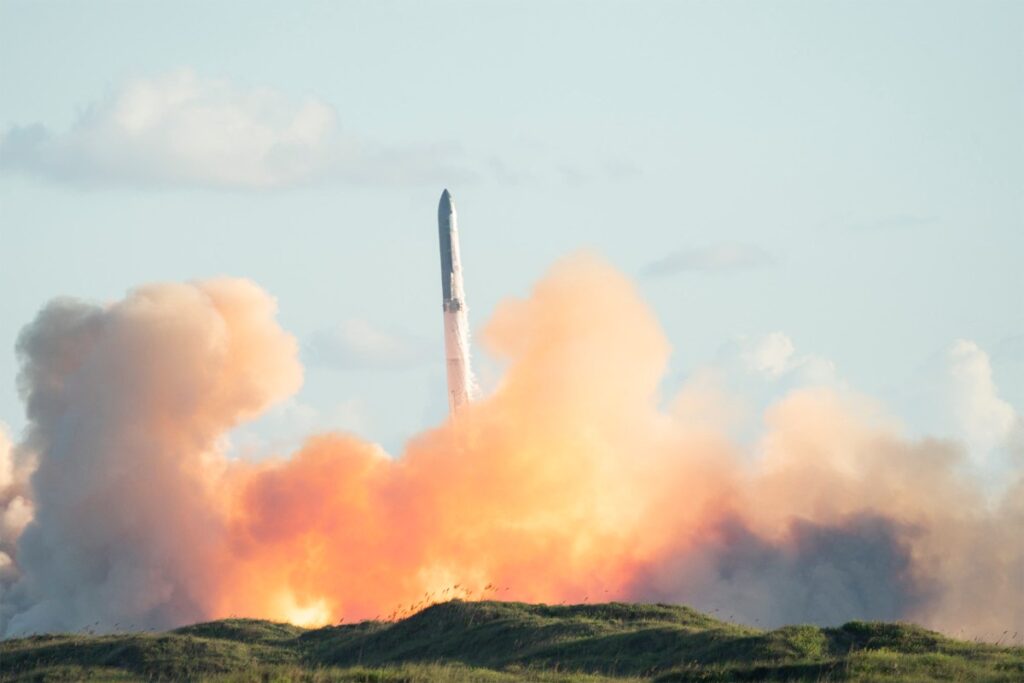
Regard for Starship’s reusability remains uncertain. The IPO and recent test flights provide data points that offer a realistic, if potentially disappointing, vision for the coming years, challenging both the company’s boosters and its critics.
Investors are being warned of future dilution. The company added language to the S-1 suggesting that significant dilution may occur after going public, a move that has reignited speculation regarding a merger with Tesla.
Pre-IPO commercial activity
Leading up to the flotation, SpaceX secured a series of deals, primarily selling compute resources to strengthen its balance sheet.
Anthropic agreed to pay xAI $1.25 billion per month for computing power. Initial reports on this deal surfaced around May 20.
The duration of Anthropic’s lease remains a subject of debate. Elon Musk has been known to downplay the length of the contract with the AI safety company.
Google committed to paying SpaceX $920 million per month for compute. A Google representative described this as a short-term arrangement to address unexpected demand for its recently launched AI products.
Key takeaways
- SpaceX has executed the largest initial public offering in history, pricing 555.6 million shares at $135 each to raise $75 billion.
- Despite recording a $4.9 billion loss in 2025 against over $18 billion in revenue, the company retains 85.1% voting power with Elon Musk at the helm.
- The S-1 filing highlights a business dominated by Starlink, significant historical losses, and future bets on AI via the xAI division.
- Pre-IPO revenue streams include major compute leases from Anthropic and Google, totaling billions in monthly payments.