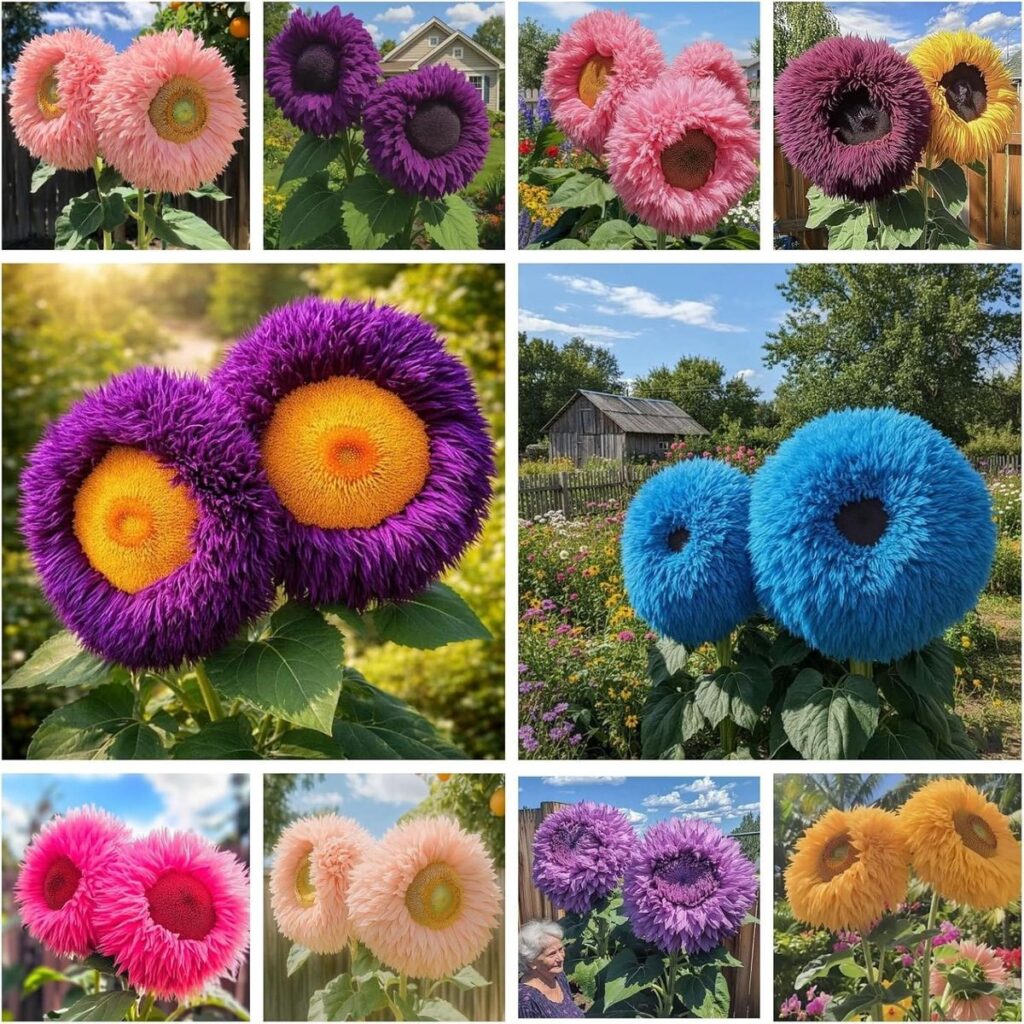
Scammers are selling seeds for plants that do not exist, using spectacular, AI-generated images of technicolor leaves and blooms shaped like birds, butterflies, and cat heads.
This type of fake seeds scam predates widespread access to AI image generators, but the ability to easily create these images has made the scam more widespread. It is especially common on big online retailers like eBay, Amazon, and Etsy, which are unable to keep up with the flood of scam plant sellers on their platforms.
The images used to sell these seeds range from slightly exaggerated aesthetics to full-blown, obviously fake AI slop that looks like it was rejected from Avatar’s alien jungle.
Common examples
One common scam seed is for a sunflower variety called ‘teddy bear,’ named after its poofy, fluffy appearance. You can see what it looks like in reality on the Royal Horticultural Society’s website. Spectacular, yes, but that is nothing compared to the AI-generated images of gigantic, purple teddy bear sunflowers on Etsy.
This Etsy store sells a wide selection of seeds for real plants with AI-generated images, and it also randomly sells AI-generated Trump T-shirts. The store has mixed reviews, with some buyers saying the seeds look healthy, and others complaining they never got their shipment, or that they received seeds for the wrong plant.
At least dozens of sellers on eBay and Amazon also offer seeds for plants they promote with clearly AI-generated images. Searching the stores for “sunflower teddy bear seeds” returns many such images, including identical images to those found on Etsy. For some reason, AI-generated images for teddy bear sunflowers often feature a random old lady next to the gigantic flowers.
On the more obviously fake end of the spectrum is basically anything sold on Etsy by Trenzay. For example, this hosta plant looks like a bunch of screaming demon shrimps.
This plant looks like a butterfly.
Or this very patriotic, red, white, and blue plant.
“Rose seeds” and “rainbow seeds” are two of the more common types of fake plants promoted with AI-generated images, probably because the rainbow-colored leaves and bushes are eye-catching. To me, they seem obviously, laughably AI-generated, but their popularity and public facing data from some online retailers indicate people have bought them thousands of times. This is reflected not only in user reviews who claim the sellers are scammers, but also by the number of units sold, which is sometimes shown on eBay.
What it means
For gardeners, the risk is wasting money on seeds that will not sprout or will sprout an entirely different plant. The bigger problem is that if people do not realise they are planting seeds for an entirely different plant than the one they ordered, they could unknowingly introduce invasive species to their environment.
Last year, three states issued warnings against planting seeds they received in the mail as part of a widespread scam popularised around 2020, in which people were sent unsolicited packets of mystery seeds that sellers then used to write bogus online reviews for unrelated items.
In 2024 I wrote a story about Google serving users AI-generated images of mushrooms, which could potentially have dangerous consequences for users who are using Google to decide whether a mushroom is safe to eat. A moderator of the r/mycology Reddit community told me at the time that at some point, scams for exotic rose seeds were so common that Google image search results for that term turned up AI-generated or photoshopped images of fake flowers almost exclusively.
Seeds for these clearly fake, colorful roses sold 37,271 times on eBay before eBay banned the seller.
Seeds for these gigantic, fake teddy bear sunflowers sold 1,301 times.
“These listings have remained unchanged for years. It is a profitable business to sell fake seeds since there is no cost involved beyond an envelope and postage, a plastic bag and a few hours to collect random seeds,” the r/mycology moderator told me at the time. “The selling price may be low but enough people buy them to make it add up.”
The fake seed scam is not limited to the dominant online retailers either. On Reddit and Facebook, plant enthusiasts warn each other about shady sites dedicated to selling seeds that offer the same fake plants.
“Trust is foundational to eBay’s marketplace and we have policies and controls in place to help detect and prevent fraudulent activity on our marketplace, including misleading AI-generated images that violate our listing practices policy,” an eBay spokesperson told me in an email. “We work diligently to prevent and remove non-compliant listings through seller compliance audits, block filter algorithms, AI-supported monitoring by in-house specialists, and through close partnerships with regulators. We continue to invest in tools and technologies and we encourage users to report suspicious activity and, where we identify behavior that violates our policies, we take appropriate action.”
Etsy and Amazon did not respond to a request for comment.