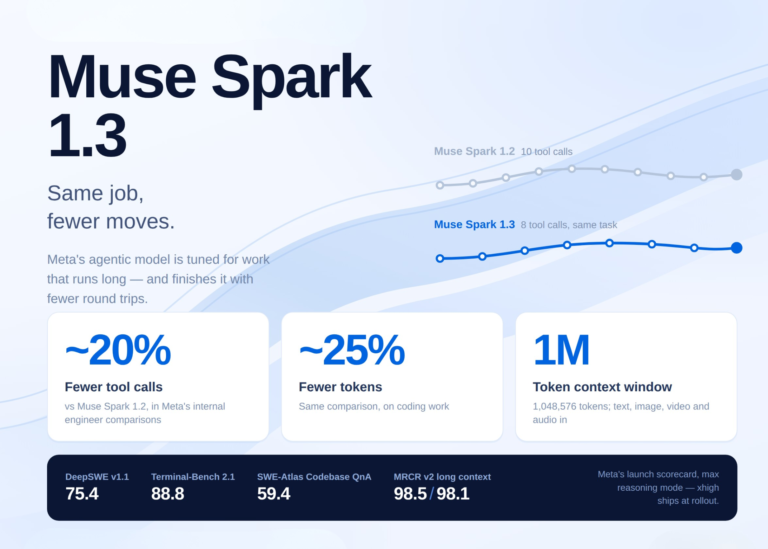
Meta’s share price fell sharply after the company reported lower-than-expected earnings during its quarterly call. Mark Zuckerberg told investors that Meta is betting its future on Muse, a personal AI agent released to the public last month. He described a vision where an autonomous network of these agents will eventually run daily tasks like shopping and work. This strategy relies on humans communicating primarily through bot proxies rather than directly with one another. The stock market reacted negatively to the lack of immediate financial clarity surrounding this ambitious plan. Zuckerberg’s confidence in the technology contrasts with the current uncertainty about adoption rates and revenue generation.
The actual significance lies in the shift from selling products to selling an ecosystem of autonomous agents. This approach changes how Meta generates value by moving beyond traditional advertising models. It also raises questions about user privacy and control within a networked environment.
- Muse is designed to act as a personal proxy for daily tasks.
- Meta aims to connect users via an autonomous network of agents.
- Investors remain cautious due to the lack of immediate financial proof.