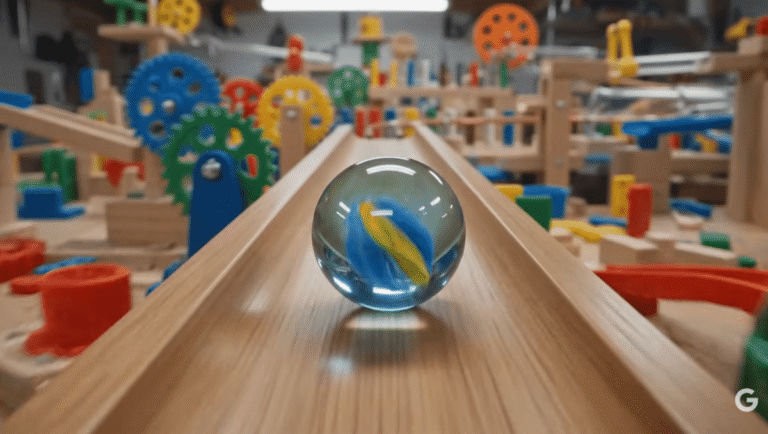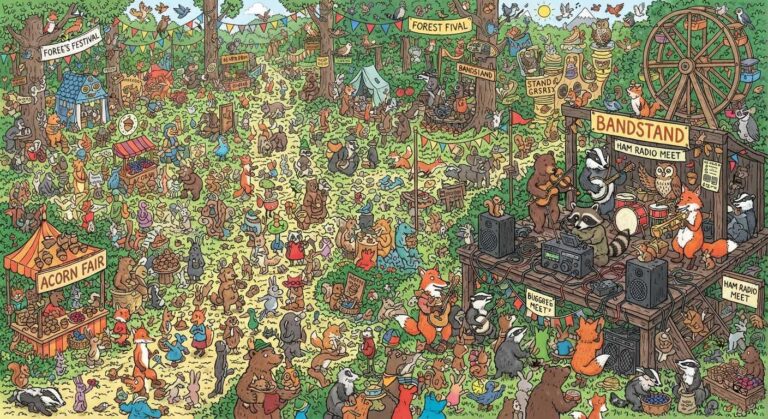
Google has released two new generative AI models. Nano Banana 2 Lite creates images in four seconds and costs $0.034 per image at 1K resolution. Gemini Omni Flash allows developers to generate and edit videos up to ten seconds long via text prompts for $0.10 per second of output.
Nano Banana 2 Lite generates images in four seconds
The new model, identified as gemini-3.1-flash-lite-image in the API, targets fast ideation and high-throughput developer pipelines. Google states it maintains reliable prompt following, consistent character rendering, and readable text despite the speed focus.
Beyond developer platforms, the model is rolling out across Google’s consumer products, including AI Mode in Google Search, the Gemini app, NotebookLM, Google Photos, Stitch, Google Flow, and Google Ads.
Nano Banana 2 Lite brings the Nano Banana family to three production models. Nano Banana 2 (Gemini 3.1 Flash Image) serves as the all-rounder with the best balance of quality and cost. Nano Banana Pro (Gemini 3.1 Pro Image) targets complex, professional use cases and offers the strongest control and most advanced reasoning.
The company considers the original Nano Banana (Gemini 2.5 Flash Image) outdated. We still mostly use Nano Banana Pro ourselves, since its image quality and prompt reliability tend to beat both Nano Banana 2 and OpenAI‘s GPT-Image-2.
Gemini Omni Flash brings video generation to the API
Gemini Omni Flash was first shown at Google I/O and is now available to developers through the Gemini API and Google AI Studio. The model combines Gemini’s multimodal reasoning with video generation and editing. Pricing is $0.10 per second of video output, matching Veo 3.1 Fast.
Google says the model’s strengths are conversational video editing through natural language, the ability to mix input formats like text, images, and video, and tapping into Gemini’s world knowledge for generation. Text and graphics can sync directly with video actions.
Gemini Omni Flash currently only generates ten-second clips. Audio references and scene extensions aren’t supported in the API yet. The API schema accepts video references up to three seconds long, but Google says the model doesn’t process them correctly yet. Character consistency across scene changes or camera movements is still limited too.
Google recommends chaining both models together
Google sees the biggest payoff in combining the two models. Developers can quickly generate images with Nano Banana 2 Lite and pass them as references to Gemini Omni Flash, which then animates them into video. The Interactions API, which is now Google’s default AI API, preserves session history and context, allowing up to three consecutive edits.
Google provides three demo apps to show how the models work together. “Anywhere” places users at famous landmarks via selfie and animates the result. “Space Lift” generates interior design concepts from room photos and turns them into video. “Omni Product Studio” converts static product images into e-commerce videos.
Both models use SynthID watermarks to tag AI-generated content, according to Google. Verification is available through the Gemini app, Gemini in Chrome, or Google Search. Nano Banana 2 Lite and Gemini Omni Flash are available now in Google AI Studio, the Gemini API, and the Gemini Enterprise Agent Platform.