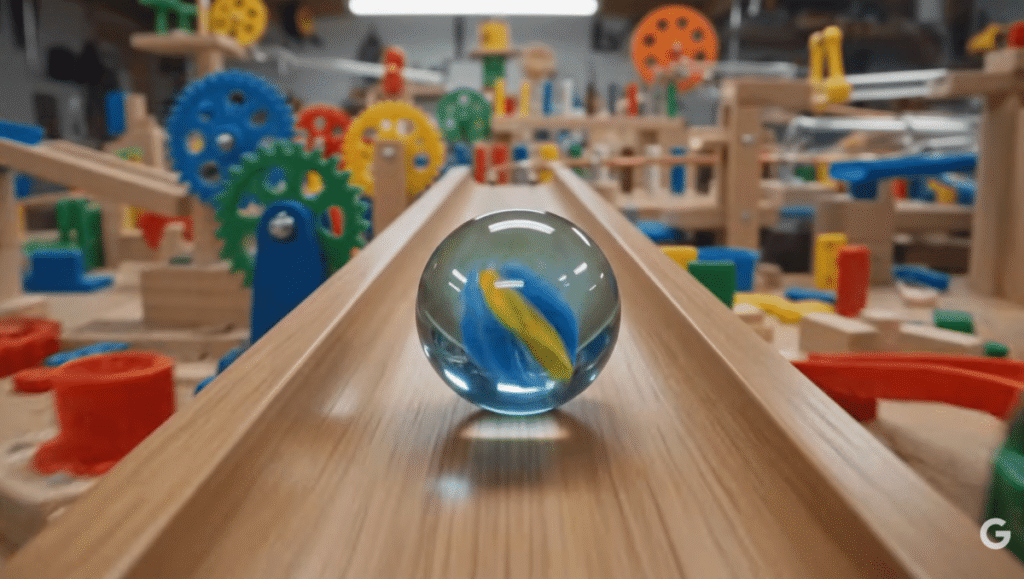
Google released Nano Banana 2 Lite on Tuesday, a new version of its internal AI tool for making images and video. The company says this update runs faster and costs less than the previous release.
Latency is much lower on this model. It generates pictures in four seconds. Google suggests this speed helps users draft and refine many images in a short time. The price is set at $0.034 per 1,000 images, which should help people working at scale.
This launch comes after the original Nano Banana arrived last summer. That first version used Gemini 3.1 Flash. Nano Banana 2 followed in February and added features to make images look more realistic. Google also sells Nano Banana Pro, a stronger and pricier option for complex tasks.
While Nano Banana 2 acts as a generalist workhorse, the Lite version targets high-volume workflows. Google claims it is built for speed when volume is the priority.
Companies continue to fund tools that produce imagery and video, even as some consumers complain about AI slop. Google often markets these models as helpers for advertising creation.
Ties between Hollywood and AI firms remain tight, drawing criticism from some creative groups and audiences. Google recently signed a $75 million deal with indie studio A24. Fans of the studio have voiced significant concern over the partnership.
Nano Banana 2 Lite is now live via Google AI Studio and the Gemini API. It is also available through the Gemini Enterprise Agent Platform. The company states this new model replaces Nano Banana, which it now calls a legacy system.
On Tuesday, Google also expanded Gemini Omni Flash. This model was first shown at Google I/O earlier this year. Flash costs $0.10 per second of video output. Google demonstrated Omni Product Studio, an app that turns static images from Omni into cinematic e-commerce clips.
Google stated in a blog that building with generative media usually involves creative iteration. With these two models, developers can create full multimedia experiences that link rapid image generation with video creation and editing.
What it means
The shift to Nano Banana 2 Lite means users with high-volume needs can expect lower costs and faster output. The four-second generation time removes a common bottleneck for bulk work. Developers using the API can swap the legacy model without changing their code structure.