For creators and musicians, the fadeout represents a critical juncture: is it a crutch for those unable to craft a satisfying conclusion, or the ultimate playground for sonic exploration? While some dismiss the technique as a lazy shortcut to avoid composing a distinct outro, history suggests otherwise. Legends like The Beatles’ Hey Jude, The Police’s Every Breath You Take, and The Eagles’ Hotel California all utilise this device to great effect.
Technically, repeating a chorus while the volume tapers off allows an artist to bypass the need for a new chord progression or a sudden shift in direction. However, this perceived simplicity often masks a fertile ground for improvisation. As the guitar solo in Hotel California demonstrates, the fading tail can host some of the most memorable moments in recorded music.
Keith Urban’s defence of the fadeout
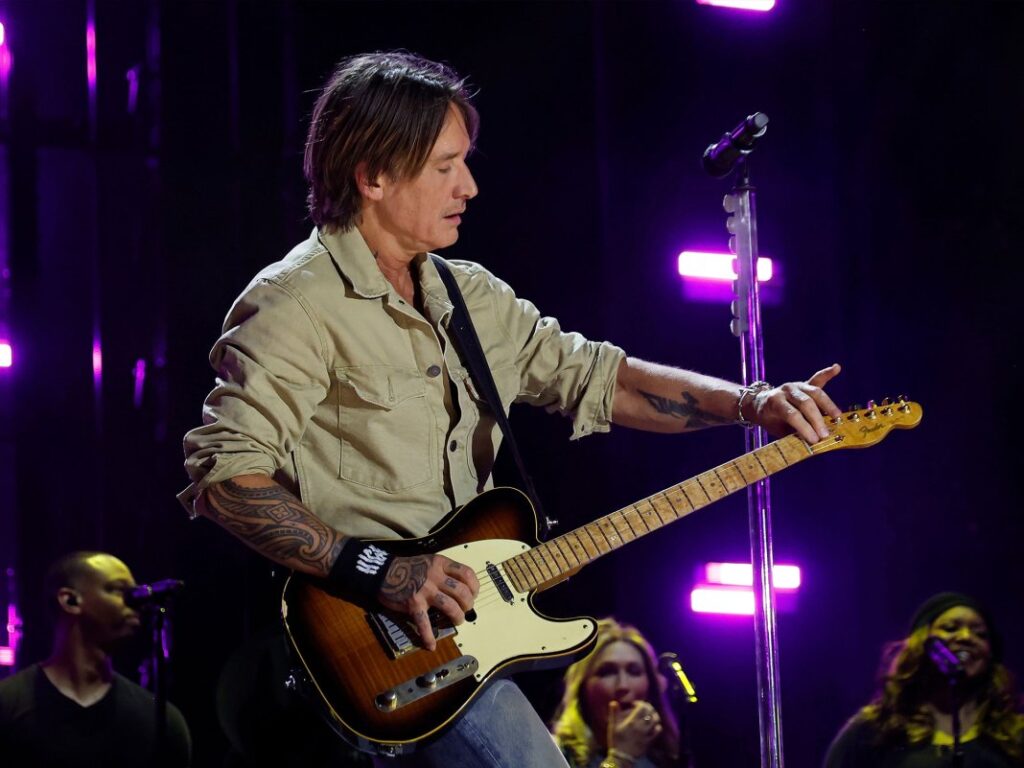
Keith Urban, the Australian-American country star and guitarist, recently weighed in on the subject during an interview with Billboard regarding his new album of yacht rock covers, Flow State. He argues passionately that the end of a song is where artists should be allowed to break from their usual structures.
“One of the areas I’ve always found that I like to go off script, if you will, is at the end of songs,” Urban states.
He recalls how listeners from his formative years would instinctively turn up their volume at the very moment the track began to fade. This was because the session musicians, often tired of playing for a fixed setlist, would finally feel free to experiment. “We’re out by now, they’re not going to use all this, we’re just now playing for playing’s sake,” he explains. “That’s when all the cool stuff starts happening.”
Urban notes that this freedom led his band members to unleash creative energy they couldn’t afford to show during the main verses. He specifically cites his hit Stupid Boy, attributing its enduring appeal to the extended outro where his bandmates let loose. “I’ve found so many times on my records, the reason why Stupid Boy and some of those [songs] had these long outros is what the band would do at those periods was really cool, and I didn’t want it to not be heard,” he says.
Ultimately, the debate remains open: should songwriters aim for definitive conclusions, or embrace the fadeout as a sanctuary for musical risk-taking? For Urban, the answer is clear—the latter is where the magic lies.
Key takeaways
- Keith Urban champions the fadeout not as a lazy workaround, but as a designated space for musicians to experiment freely without the pressure of a formal arrangement.
- Historically, session players often reserved their most creative and improvised solos for the fading tail of a track, knowing it would be the final moment heard by the audience.
- Urban’s new album, Flow State, which features yacht rock covers, explores these extended endings to preserve the unique sonic gems created by his band.
Stay ahead of AI. Get the most important stories delivered to your inbox — no spam, no noise.