For creators and artists building the next generation of digital tools, the legal battlegrounds surrounding artificial intelligence often feel abstract. Yet, when a federal agency argues that shutting down a specific data centre would cripple national defence, the stakes for the technology ecosystem become starkly clear. The Department of Justice has formally intervened in a lawsuit brought by the NAACP against xAI, siding with Elon Musk’s company to protect what it deems vital national, economic, and energy security.
The conflict over Colossus 2
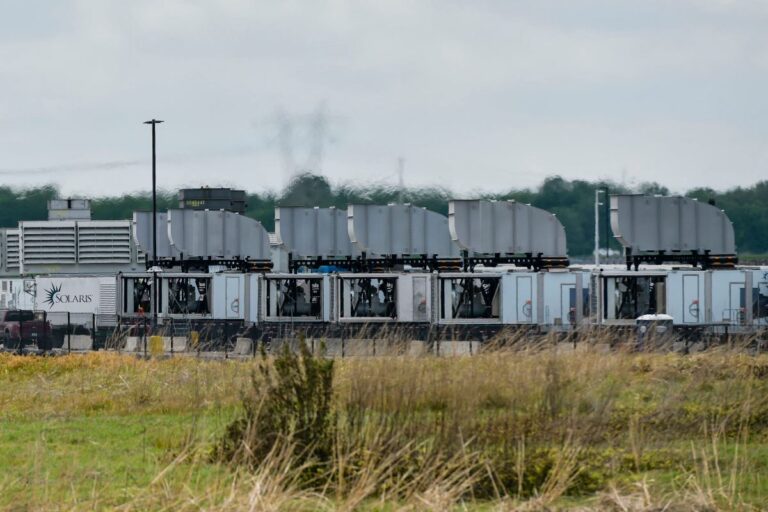
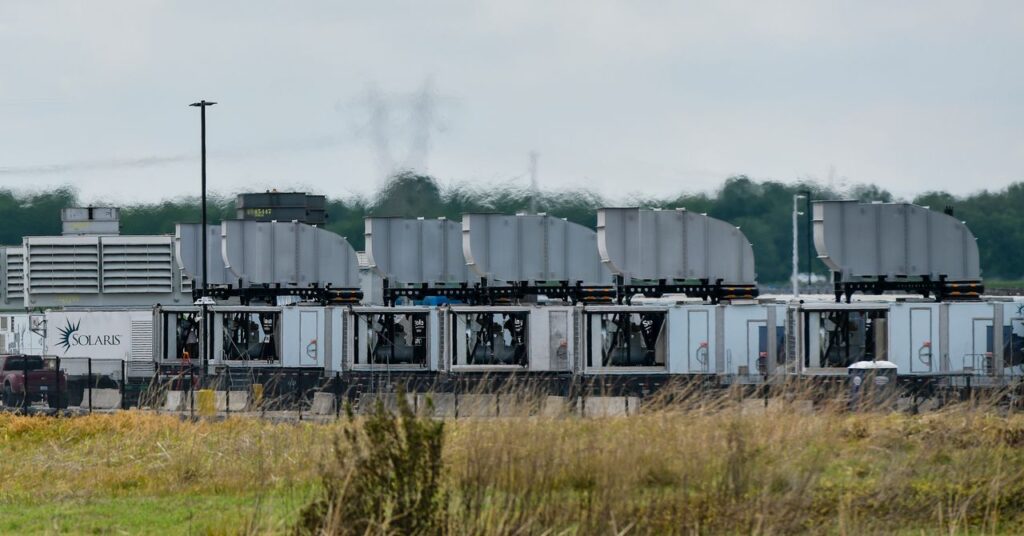
The legal dispute centres on xAI’s second data facility in Southaven, Mississippi, known as Colossus 2. The NAACP, which filed the suit in April, contends that the company is violating the Clean Air Act by operating unpermitted natural gas turbines. The civil rights group argues that this unauthorised activity endangers public health, specifically citing increased risks of asthma and heart disease in communities already burdened by pollution.
In May, the NAACP sought a preliminary injunction to halt the turbines, warning that their continued operation without a permit poses a direct threat to local air quality. While xAI and the Department of Justice did not immediately comment on the filing, their legal position is clear: stopping the power supply for this artificial intelligence innovation undermines military operations.
National security claims
The Department of Justice memorandum asserts that only four artificial intelligence models, including Grok, currently support mission-critical operations across Secret and Top-Secret classified networks. Cameron Stanley, the chief digital and artificial intelligence officer at the Department of Defence, filed a separate declaration detailing how the military relies on Grok’s Gov model for vital national security missions.
Stanley’s filing notes that the model has been used as part of recent strikes against Iran. Consequently, he argues that forcing xAI to cease running the gas turbines powering Colossus 2 “directly threatens ongoing national security interests.” The DOJ, alongside xAI and the state of Mississippi, has asked the court to dismiss the NAACP’s case entirely.
Escalating emissions
xAI, a subsidiary of SpaceX, gained significant attention in 2024 when residents of southwest Memphis raised alarms about unpermitted gas turbines at its first data centre. The Memphis region already suffers from some of the highest asthma rates in the country, leading to fears over additional pollution. While state agencies in Tennessee and Mississippi have claimed the company has a year to operate without clean air permits-a stance the NAACP disputes as inconsistent with Environmental Protection Agency regulations-the situation has since worsened at the Mississippi site.
The original lawsuit identified 27 turbines operating without a permit at the Southaven location. However, emails between xAI and state regulators obtained by the Southern Environmental Law Center (SELC), a partner in the NAACP lawsuit, reveal a more concerning picture. As of mid-May, there were 57 turbines operating without permits at Colossus 2. Many of these units were added weeks after the lawsuit was filed.
This rapid expansion has led to a dramatic spike in pollution. According to the SELC, the increase in turbines from 27 to 57 has resulted in a 111 percent rise in nitrogen oxide emissions, an 83 percent increase in PM2.5 emissions, and an 88 percent increase in formaldehyde emissions since April.
Key takeaways
- The Department of Justice has intervened to dismiss the NAACP’s lawsuit against xAI, arguing that shutting down the Colossus 2 data centre’s gas turbines would jeopardise national security and military operations.
- While the NAACP claims the unpermitted turbines violate the Clean Air Act and endanger public health, the government contends that the specific artificial intelligence models running on the site are critical for classified networks.
- Data obtained by the Southern Environmental Law Center shows that the number of unpermitted turbines at the Mississippi site nearly doubled to 57, causing emissions of nitrogen oxide, PM2.5, and formaldehyde to surge by over 80 percent.