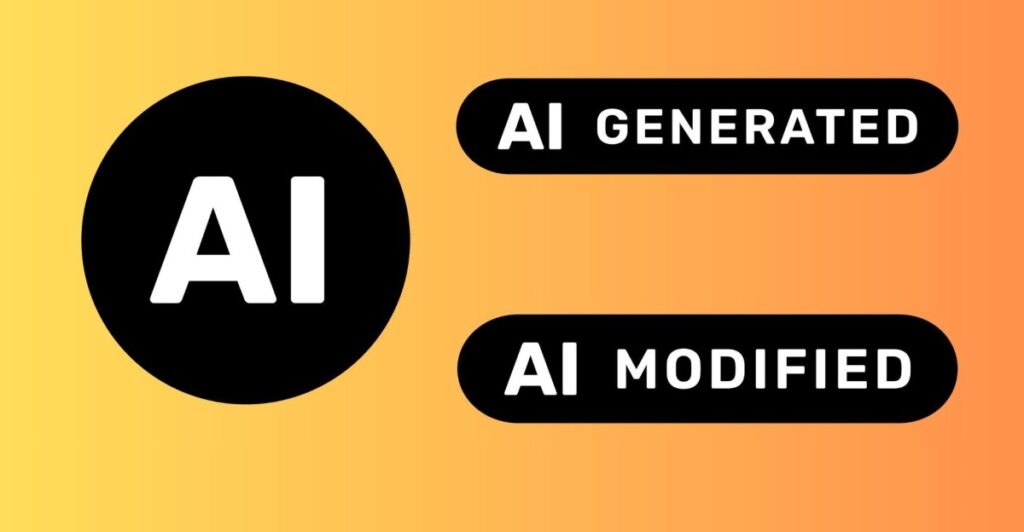
The European Union’s AI Act transparency obligations came into force on August 2nd, mandating that companies disclose when users are interacting with AI models or viewing content generated by them. These rules split responsibilities between providers who build the technology and deployers who host it on platforms, although entities like Meta and SpaceXAI fall into both categories. The legislation requires clear labels to inform the public about the origin of digital material, preventing confusion between human-created work and machine output. The European Commission has issued standardised icons to assist businesses in meeting these disclosure requirements without needing to design their own visual systems.
This regulatory shift addresses the growing difficulty in distinguishing between authentic media and synthetic alternatives on social networks and search engines. By forcing explicit identification of AI involvement, the rules aim to restore user trust and provide a baseline for accountability across the digital ecosystem. The measures specifically target deepfakes and automated text generation, ensuring that audiences are aware they are engaging with non-human entities.
- Labels must appear before content is shared or displayed
- Non-compliance can result in fines up to 7 per cent of global turnover
- Standardised icons are mandatory for high-risk applications