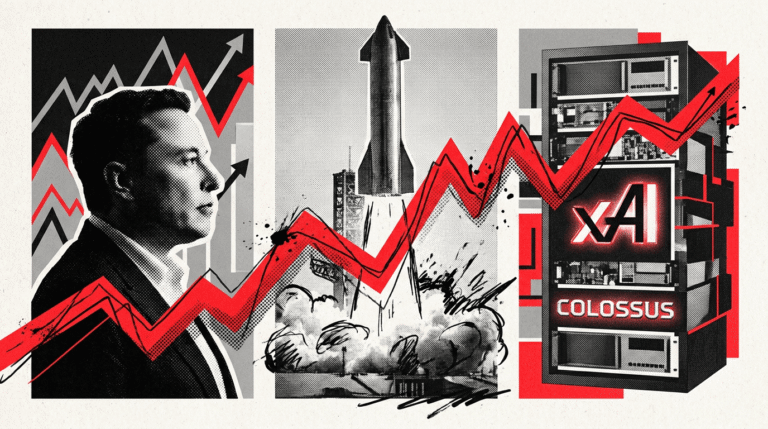
For makers and artists relying on generative models, the legal battle over xAI’s infrastructure in Memphis signals a shift where computational power is increasingly framed as a matter of national defence. The Department of Justice has sided with the tech giant, arguing that restricting its energy supply would cripple the artificial-intelligence systems driving military operations.
A battle of narratives
In a memorandum filed last Monday, the Justice Department aligned with xAI against a lawsuit brought by the NAACP. The government warned that halting the power supply for AI innovation supporting the Department of War’s military operations would undermine American national, economic, and energy security.
The Justice Department specifically highlighted Grok as one of four AI models essential for “mission-critical operations,” citing its role in recent strikes in Iran as proof of its strategic necessity.
The legal conflict over turbines
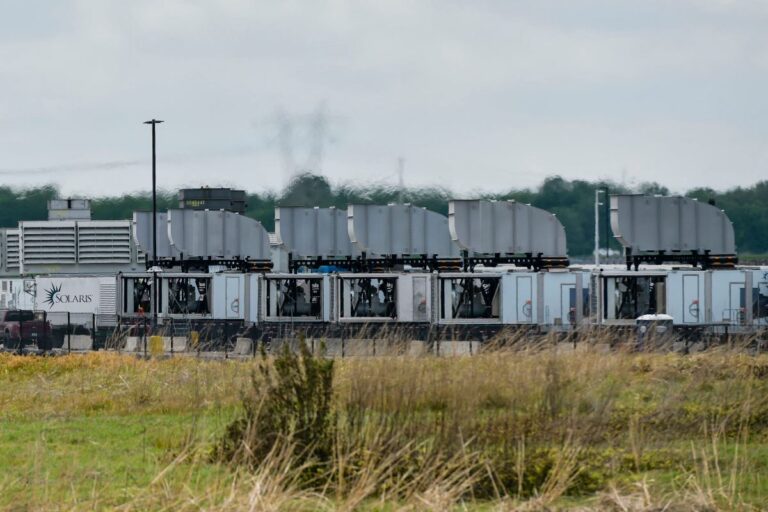
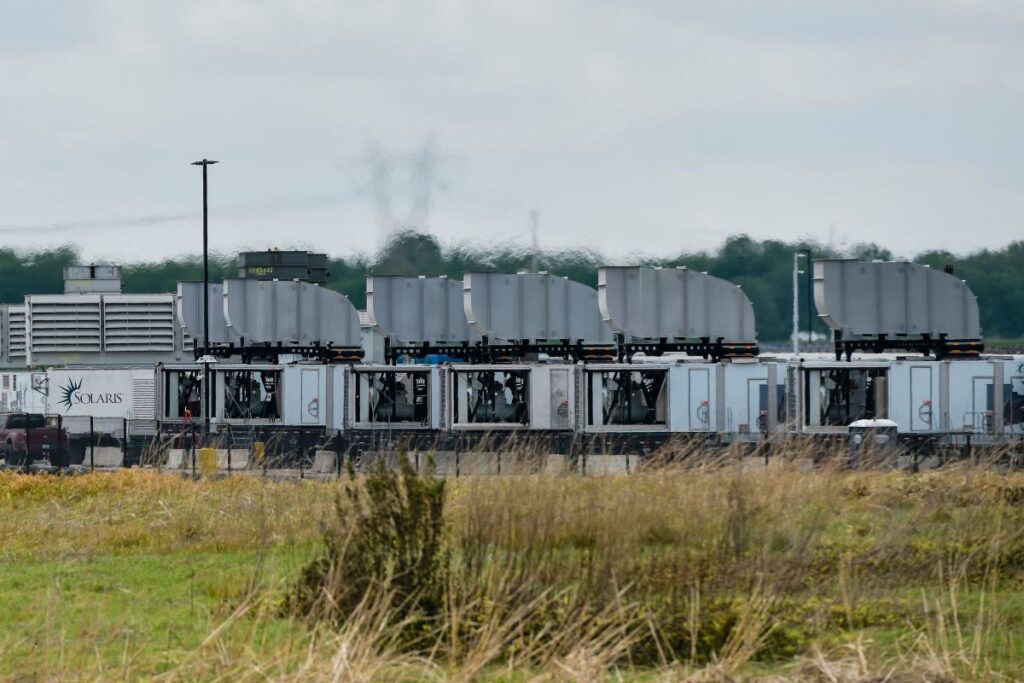
The NAACP had initially telegraphed its intent to sue xAI last June, aiming to stop the company from using “mobile” gas turbines at its Colossus and Colossus 2 data centers. Those legal efforts failed, and Elon Musk’s company has since expanded its capacity, bringing the total number of unpermitted turbines to 57.
The core of the dispute lies in how these machines are classified. Because the turbines remain on trailers, xAI claims they are exempt from Mississippi air pollution regulations for a one-year grace period. Conversely, the Southern Environmental Law Center, filing the suit on behalf of the NAACP, argues that federal law treats trailer-mounted turbines as stationary equipment, making them subject to strict regulation.
Health impacts in Memphis
The NAACP contends that the region, already among the most polluted in the country, has seen deteriorating air quality since the data centers went online. Since last year, the number of turbines has more than doubled, causing a corresponding rise in three major air pollutants: PM2.5, formaldehyde, and oxides of nitrogen (NOx).
Medical links are severe. All three pollutants are associated with asthma and cardiovascular disease. Formaldehyde exposure elevates cancer risk, while PM2.5 has been implicated in a spectrum of ailments ranging from stroke to Alzheimer’s disease.
Future expansion plans
Now operating as a division of SpaceX, the company is expected to acquire further generators in the coming months or years. In SpaceX’s IPO filing, the company disclosed plans to purchase another $2.8 billion worth of gas turbines to power its AI data centers over the next three years. Of that total, at least $2 billion is earmarked specifically for “mobile gas turbines.”
Key takeaways
- The Department of Justice has supported xAI’s use of unpermitted gas turbines, framing the issue as vital for national security and military operations.
- While xAI relies on a one-year exemption for trailer-mounted turbines, opponents argue federal law classifies them as stationary sources requiring immediate regulation.
- The expansion has doubled the number of turbines since last year, significantly increasing levels of PM2.5, formaldehyde, and NOx, which pose serious health risks to the local population.
- SpaceX has committed to investing $2.8 billion in new gas turbines over the next three years, with a substantial portion designated for mobile units to support AI infrastructure.