SpaceX attempted to buy Cognition, an AI coding startup, according to Bloomberg. The report claimed Elon Musk’s company sought the deal while trying to catch up to rivals like OpenAI and Anthropic.
Scott Wu’s rebuttal
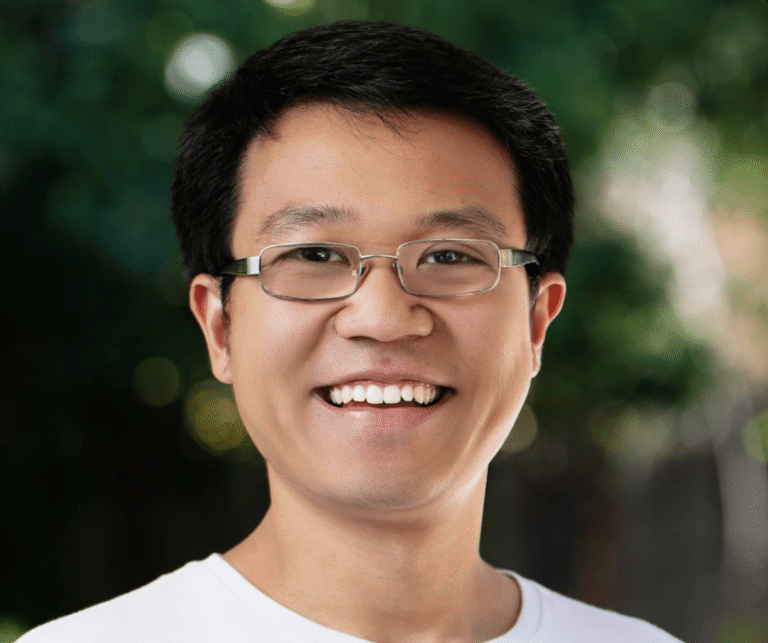
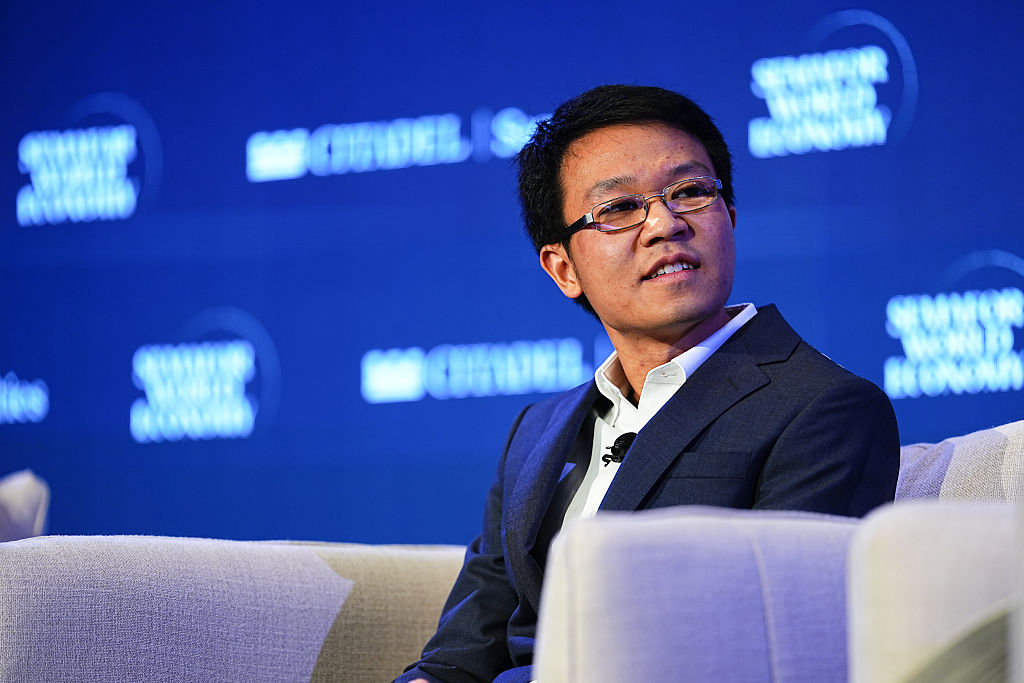
Cognition CEO Scott Wu called the story false. He posted on X that the company is not for sale and that no discussions have taken place between the two firms.
The news broke shortly after SpaceX closed a $60 billion purchase of Cursor, another AI coding company, last week.
Musk’s aerospace firm already owns xAI. That business went public in June with a market cap peaking near $2.3 trillion. SpaceX has pitched its AI ambitions to investors, including plans to build data centres in space.
xAI remains early-stage and trails competitors. Its chatbot, Grok, has faced controversy. Past incidents include the “MechaHitler” controversy last year and recent scandals involving nonconsensual sexual imagery. These issues complicate efforts to win enterprise clients.
Last week, Musk told SpaceX staff that AI will generate 99% of the company’s value within four or five years. Achieving that target requires significantly more revenue from artificial intelligence.
AI-assisted coding offers a clear path to monetisation. Anthropic’s rapid growth, driven largely by Claude Code, illustrates this. Bringing Cursor into the fold was part of that strategy. The two companies collaborated before the acquisition closed. This month, Cursor and SpaceX released Grok 4.6, a model that scores higher on benchmarks for coding and complex multi-step agentic tasks.
Adding Cognition and its coding agent, Devin, would have provided another avenue for SpaceX to compete for enterprise customers. Potential clients include Mercedes-Benz, Citi, and Goldman Sachs.
Bloomberg reports that active deal talks have ended. The companies are still discussing cooperation. This might involve Cognition using SpaceX’s computing capacity. The company sells this capacity to other AI players like Anthropic until it needs it for its own operations. Wu did not address this specific claim in his denial.
Financial context
Cognition stands as one of the largest independent AI software coding startups not yet acquired by a major model maker. In late May, the company raised $1 billion at a $25 billion post-money valuation. Bloomberg reports it is now in early talks for a new funding round at a $40 billion valuation.
The company gained attention last year by acquiring the remaining assets of competitor Windsurf. Google DeepMind acqui-hired Windsurf’s CEO and top researchers in a $2.4 billion deal for talent and licensing rights.
Following the merger, Cognition laid off 30 employees and offered buyouts to the remaining 200 Windsurf staff. Those who stayed faced strict operational demands, including an 80+ hour workweek and six days in the office.
Such a work ethic fits comfortably within a Musk company. Musk has stated he works up to 120 hours a week and often sleeps on office or factory floors.
SpaceX and Cognition did not respond to requests for comment.
What it means
Wu’s denial suggests Cognition intends to remain independent despite the market pressure. The company’s valuation jump to $40 billion indicates strong investor confidence in its standalone trajectory. SpaceX’s failure to secure the deal leaves xAI to rely on its existing partnerships and internal development to close the gap with competitors.