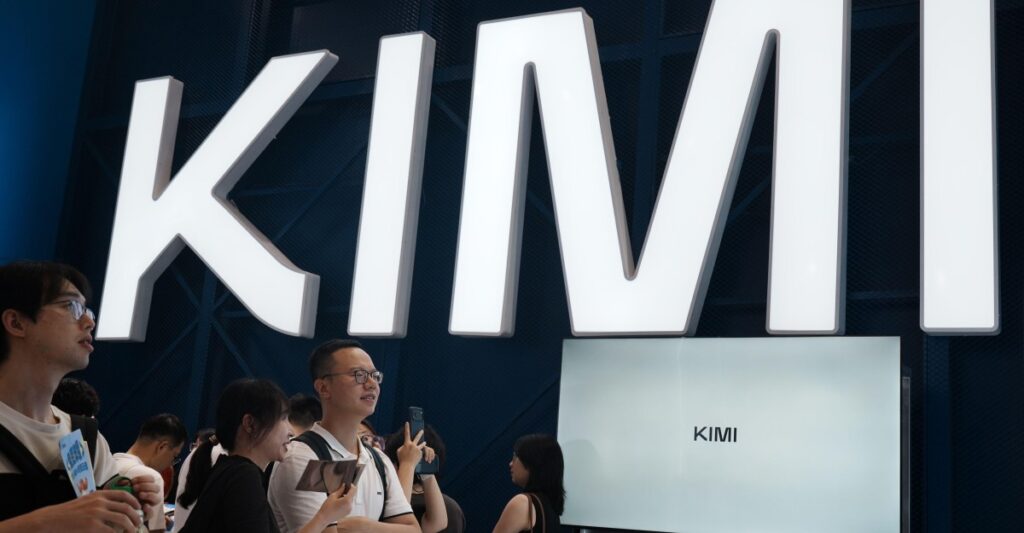
Moonshot and Alibaba recently launched new large language models in China that match the performance of top Western systems from OpenAI and Anthropic. Market reactions were immediate, with stocks wobbling and commentators claiming the US tech industry had been taken by surprise. Headlines described the event as a Sputnik moment that forces American firms to rethink their spending on data centres and chips. This narrative assumes the US was unaware of these developments or unprepared for the competition.
The reality is that Chinese developers have long operated under different constraints and incentives, allowing them to build capable models without the same level of global scrutiny. The US reaction highlights a recurring failure to track non-Western progress rather than a genuine breakthrough. Policymakers often treat these announcements as shocks, ignoring the steady accumulation of capability in rival jurisdictions. The focus on market volatility distracts from the underlying strategic shift where global AI development is no longer a unilateral American project.
- Moonshot’s Kimi 3 and Alibaba’s Qwen 3.5 claim parity with leading Western models.
- Market concerns centre on potential US spending reductions for data centres and hardware.
- US tracking mechanisms have consistently underestimated Chinese AI development speed.