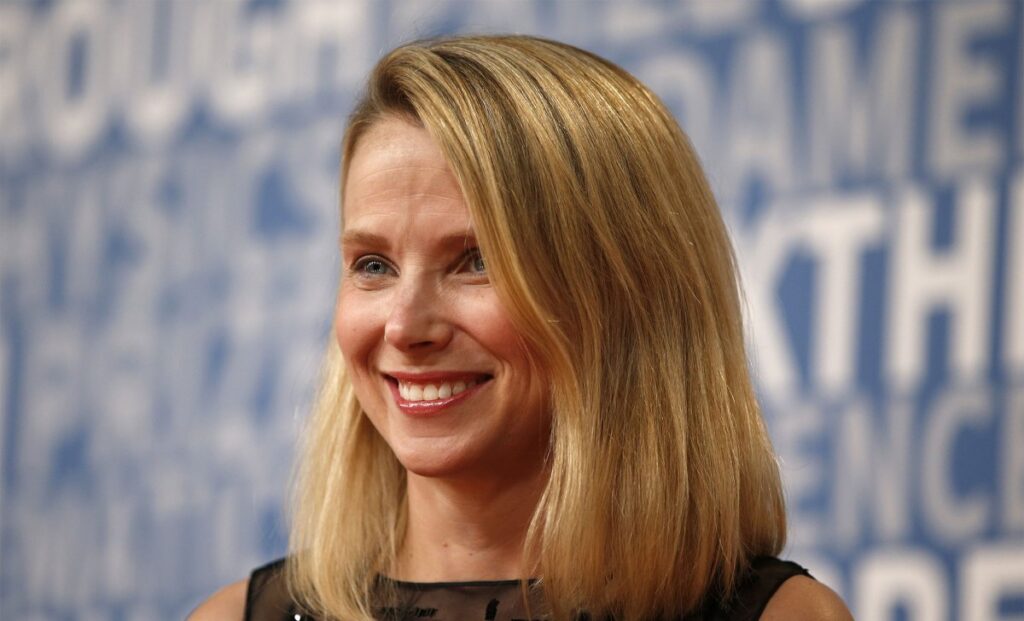
Marissa Mayer recently told a reporter that her new AI assistant, Dazzle, generated three bullet points describing her ten-year-old daughter as “empathetic, creative, and an animal lover” for a school presentation. Mayer claimed the tool pulled these descriptors from photos of “forgotten kindergarten projects” in her camera roll.
Critics argue that such a vague output resembles a generic horoscope. Leah Greenberg, a progressive activist, noted that Mayer’s willingness to share this interaction highlights a deep divide between Silicon Valley culture and the rest of society.
The backlash stems from a pattern of wealthy executives suggesting humans outsource childrearing to machines incapable of understanding emotion. Last year, OpenAI CEO Sam Altman appeared on Jimmy Fallon and stated he could not imagine raising a newborn without ChatGPT. Altman later suggested on X that the tool could create podcasts explaining children’s interests for upcoming birthdays or soccer games. He received immediate criticism, with users asking why they would not simply speak to their children directly.
Mayer defended herself in a follow-up post, insisting she was testing the prototype’s ability to resurface old photos rather than relying on the AI to explain her child to her personally. She acknowledged, however, that users might employ the software to plan birthday themes, organise playdates, or book family activities. She even proposed her AI assistant coordinating plans with her husband’s assistant. When asked if this “frictionless future” feels depressing, Mayer replied she had not really thought that through.
These leaders often dismiss critics as a small, angry fringe. A Pew Research Center study, however, reports that 50% of US adults believe AI will reduce people’s ability to form meaningful relationships. Only 5% of respondents said AI would make it easier to build these connections.
Meta CEO Mark Zuckerberg aligns with this view, suggesting that the average American has fewer than three close friends but desires around 15. He told a podcast audience that people feel more alone than they would like and that outsourcing emotional needs to AI therapists or romantic partners is becoming more socially acceptable.
Zuckerberg also highlighted his company’s focus on making virtual reality AI avatars more realistic. This approach prioritises improving relationships with digital approximations of humans rather than strengthening connections between the actual billions of people using Meta’s platforms.
This perspective may stem from a tech industry culture that prizes efficiency above all. Individuals often optimise their sleep schedules with trackers or inject unregulated substances to boost productivity. While efficiency is a clear goal for electric vehicles or computer chips, human relationships are not products to be shipped with minimal capital.
Human connections are inherently messy, yet they provide meaning to our lives. Delegating these interactions to computers surrenders the difficult but fulfilling experience of being people.
What it means
Developers building AI assistants must decide whether to prioritise efficiency or emotional nuance. Tools that offer generic summaries of children or automated social planning risk alienating users who value authentic human interaction over convenient, algorithmic outputs.