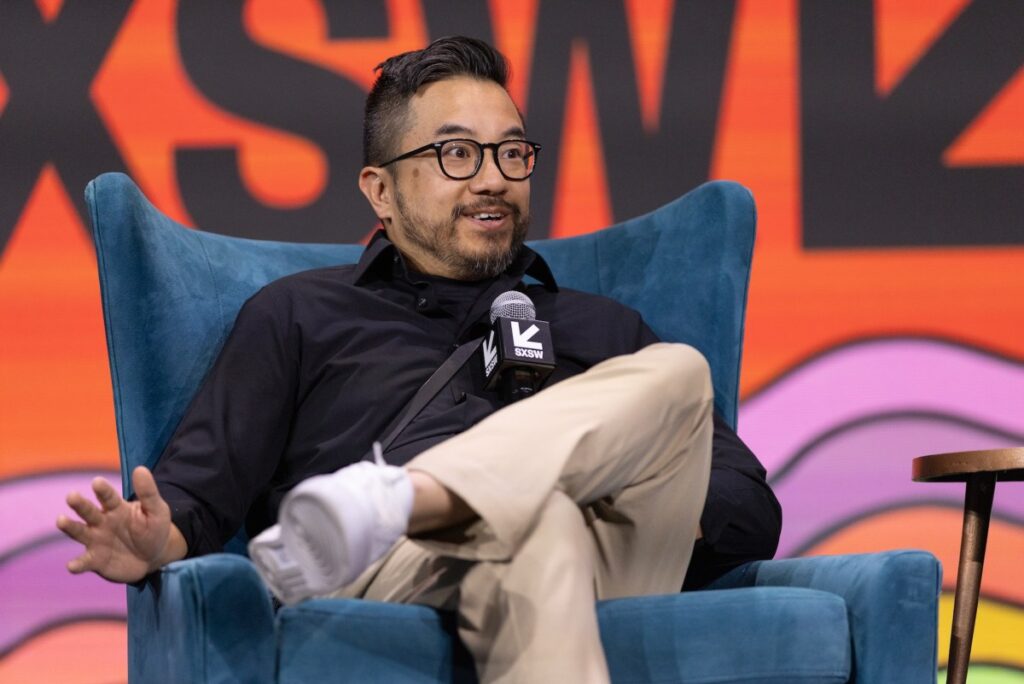
Garry Tan, the CEO of Y Combinator, spends between $100,000 and $200,000 annually on AI tokens. He told Walter Isaacson on a new episode of The Builders podcast, set for release on Tuesday, that this cost reflects his heavy reliance on AI agents for work and daily life.
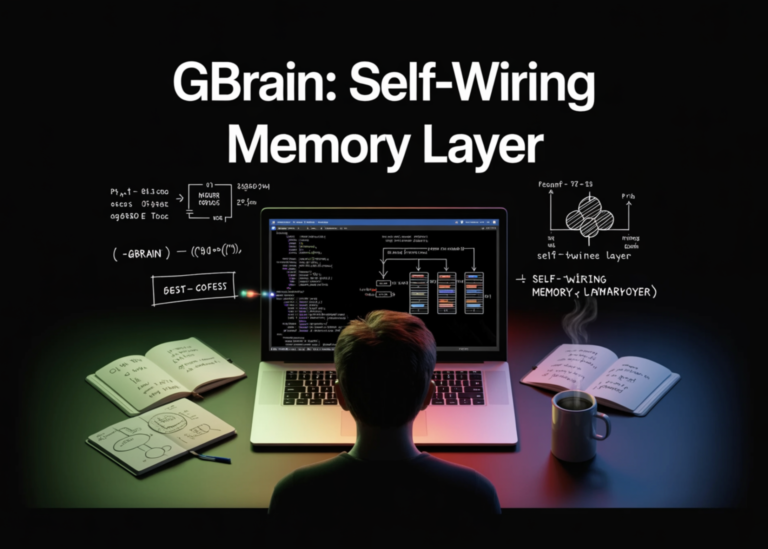
Tan has previously joked about suffering from “cyber psychosis” due to his excitement over these tools. On this occasion, he moved from jokes to figures. He runs a set of 23 Claude Code skills named gstack, which he has shared on GitHub to show others what agents can do. He uses them for research, coding, and countless other tasks.
His usage splits into two categories. First, he employs agents to prepare for interviews and research Isaacson’s podcast questions. Second, he lets them manage his personal life.
“It’s read all of my email and all of my Dropbox. It’s read, like, all of my Apple Notes, even my therapy notes going back 20 years,” he said.
Tan compares the experience to having a Jiminy Cricket on your shoulder. The agent knows almost everything you do and can think ahead to suggest ideas or help you see opportunities you might miss.
He warns against treating these tools like traditional software. Many users worry too much about repeatability and safety. Tan argues that this caution trades off the best parts of working with an AI agent, which can feel similar to working with a human.
Y Combinator currently uses an agent to rebuild its internal operations. Tan calls this system Stray Light. It has a personality and acts as a company brain. It holds the total context of every founder the accelerator has backed, every email received, and all applications.
Tan believes personal AI agents will eventually become mainstream, but one major problem must be solved: costs have to come down. He admitted that his spending is a “crazy privilege that not everyone can do.”
He also expressed reservations about free agents controlled by big tech companies. When discussing how Meta impacts society, he noted that huge companies control the algorithm and that people wish they did not. He prefers a personal AI that an individual controls and can program themselves.
What it means
High-end users can already afford to build custom, autonomous assistants that access private data. For the general public, the technology remains out of reach until token costs drop significantly.