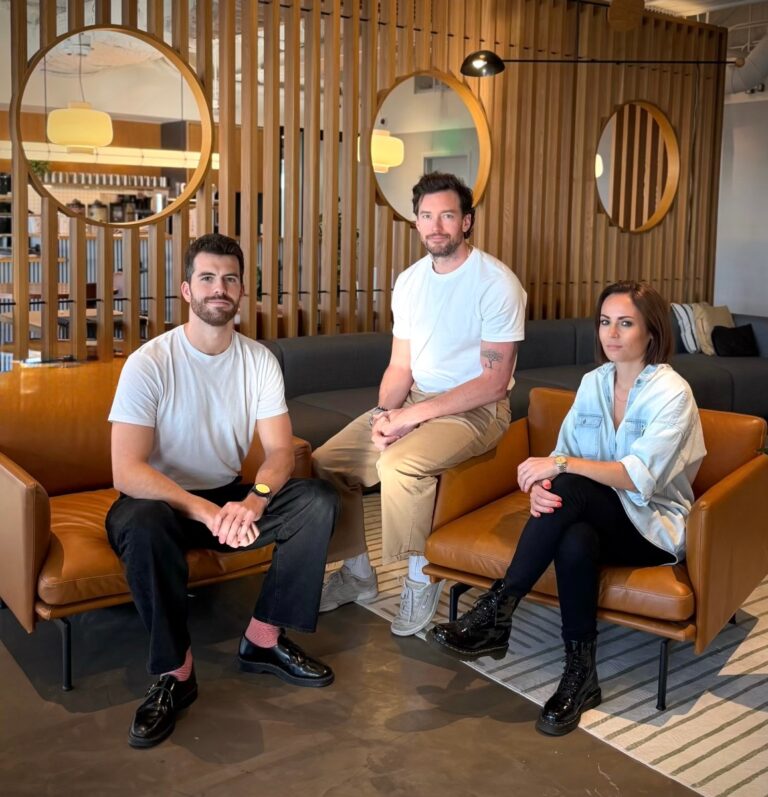
Yann LeCun’s AMI Labs and Fei-Fei Li’s World Labs have raised significant money but are struggling to generate revenue.
The foggy commercialisation
These companies aim to automate spatial intelligence. The potential applications cover robotics, interactive video, and complex autonomous driving systems. However, details on where the technology will actually reach the market remain unclear.
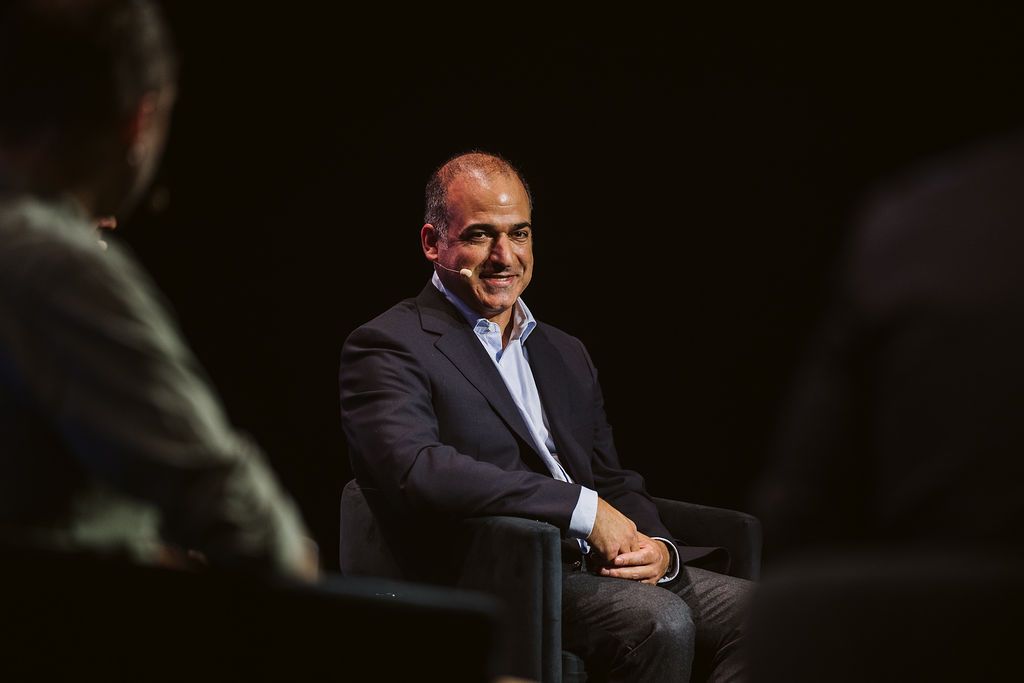
Michael Rabbat, a co-founder and vice-president of world models at AMI Labs, joined a recent panel discussion. When asked about specific products, he offered a guarded response. “We’ll talk about it when we’re ready to talk about it.” An email exchange later clarified that the company is still in a research and building phase, with no public product plans or timelines.
It is understandable that a firm less than a year old would be cautious. This reluctance to share information, however, is common across the entire sector. World Labs’ Marble is arguably the most developed offering. Its demonstrations include media creation, explorable video game environments, and CGI effects. Robotics applications exist, yet the platform appears designed primarily to show off capabilities rather than sell a specific solution.
Secrecy extends to the supply chain as well. Alex de Vigan, CEO of Physicl, supplies data to the world model industry. He admits his firm’s data is useful but remains unaware of the specific end uses. “I wish they would tell us more. We could build more useful data if we knew what they were working on,” de Vigan said.
A versatile technology
The concept of world models is inherently broad. The basic version is a navigable map similar to those powering self-driving cars. A model helping a Waymo vehicle navigate traffic could equally assist a humanoid robot in carrying boxes or convert a short video clip into an interactive environment. AMI has already tested applications in manufacturing, biomedicine, robotics, and medical software through its Nabia partnership.
It is unlikely the company will pursue every potential avenue. Yet, without knowing which direction they are taking, it is impossible to say if one or two sectors are currently prioritised.
Why the silence
Many viable businesses exist within this technology. As long as funding remains easy to secure, there is little pressure to focus on a single niche. In fact, there is a strategic reason to avoid commitment. If AMI announced a humanoid robot or a new rendering system, other labs would immediately rush to copy the approach. This would invite competition from other world model firms, neolabs, and major players like OpenAI and Anthropic.
Competitors can raise money too. The same capital that allows a company to build quietly also funds rivals once the path to market becomes obvious. Even if competition is inevitable, delaying it is preferable. This means keeping quiet about exactly what is being built.
This situation mirrors a dark forest scenario. If you do not know who else is in the woods, it is best not to attract attention.
What it means
For companies trying to build products, the lack of clarity creates a barrier to entry. Partners and suppliers cannot optimise their tools without knowing the end goal. Meanwhile, the companies themselves benefit from a temporary monopoly on information, allowing them to secure funding while competitors are still guessing.