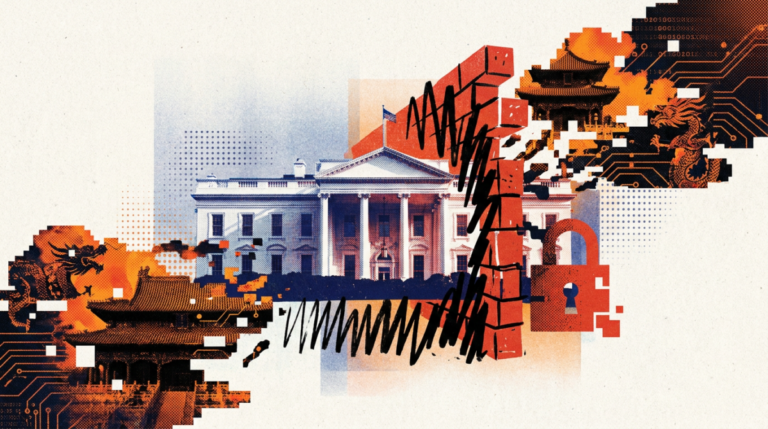
Chinese AI developers including Deepseek, Moonshot AI, and Alibaba are facing project delays due to restricted access to advanced Nvidia chips and new anti-distillation measures from OpenAI and Anthropic. Since September, these firms have struggled with remote access limitations in foreign data centers, forcing internal estimates that their gap to top US models could widen from three to six months to nine months if distillation techniques disappear completely. One specific consequence is that Moonshot AI has already cancelled a $150 million deal for Nvidia Blackwell chips in Indonesia.
The immediate impact is a shift in strategy as companies seek alternatives to the blocked hardware. Firms such as MiniMax, Mihoyo, and Alibaba are increasing reliance on domestic chips while some attempt to rent computing power through non-Chinese third parties. This pivot requires significant investment in training data for reinforcement learning to maintain progress without the most powerful external accelerators. The situation highlights how supply chain restrictions directly influence development timelines and hardware choices for major players in the sector.
- Deepseek researchers estimate a potential nine-month gap to US models
- Moonshot AI cancelled a $150 million Nvidia Blackwell deal
- Companies are shifting toward domestic chips and third-party compute