Uber adds hotels, boat rentals, and a data-gathering vehicle fleet
Uber has quietly expanded beyond ride-hailing and delivery. The app now includes hotel bookings via Expedia, a “shop for me” concierge, and boat rentals in Europe. Behind these features, the company is building a data-labeling side hustle for drivers and running AV Labs, a six-month-old unit developing a fleet of sensor-equipped vehicles to gather driving data. Uber states this strengthens ties with autonomous vehicle partners, though it also acts as a hedge against competitors like Waymo, whom Uber competes with directly.
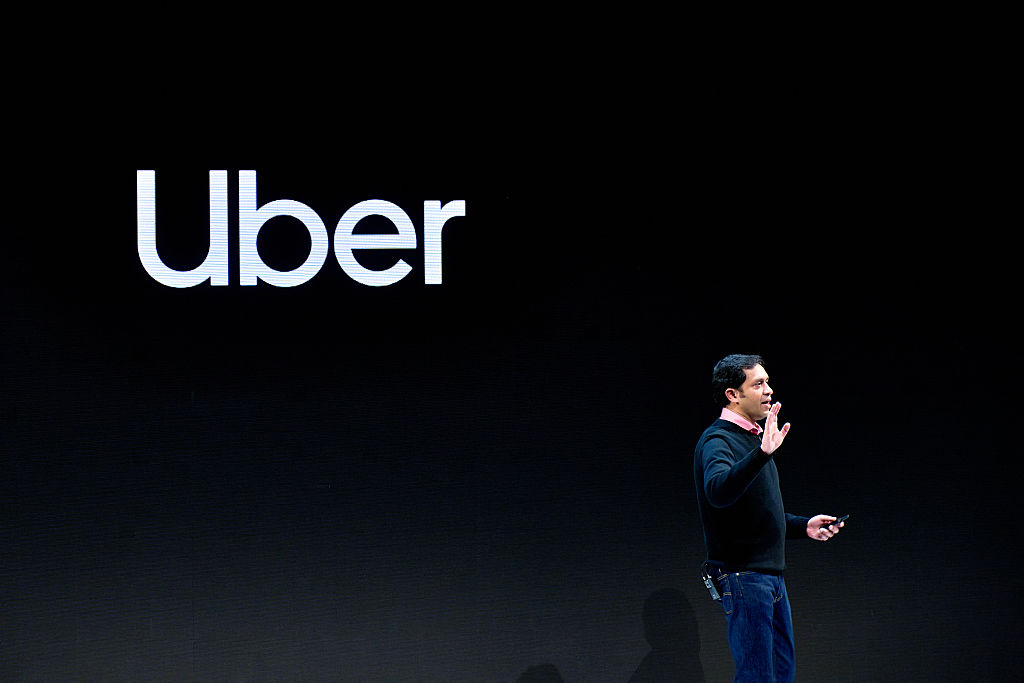
Uber Chief Product Officer Sachin Kansal discussed the company’s financial services ambitions, its complicated relationship with Waymo, and how AI is appearing in ways riders and drivers will notice.
Expanding the travel offering
The new features were selected because 1.5 billion trips on the platform occur outside a user’s home city annually. The headline announcement was a partnership with Expedia for hotels. Kansal noted that travel involves more than accommodation; it requires transport to the hotel and food. Many users had stopped using room service in favour of Uber Eats. The “shop for me” feature allows users to shop from any local store, even those not available on Uber Eats. Kansal described travel as the third leg of the stool, following rides and food.
Financial services and payment options
Uber’s financial services cover consumers, drivers, couriers, and merchants. Drivers can use the Uber Pro card as a debit card to transfer earnings. The company is testing similar products for merchants in specific regions. For consumers, Uber credits are tied to the membership program. Members receive 10% cash back on a $1,000 hotel transaction, which translates to $100 in credit usable for rides and food.
Kansal stated the company would not offer its own buy now, pay later product. Partners in the industry already provide that service at checkout. The strategy is not to be everything to everyone.
Integration models for partners
Boat rentals in Europe use a handoff model, directing users to a partner’s booking flow rather than staying within the Uber app. This approach saves time during deep integration phases. With Expedia, Uber built the entire user interface in partnership. For other services, Uber may hand off the experience to experts initially and integrate deeply later if traction is strong.
Membership and profitability
Uber One has 51 million members, accounting for roughly half of bookings. Data shows the cross-sell works. On the delivery side, it takes two to three orders to break even with the monthly fee. Membership increases frequency within existing lines of business and encourages mobility-only users to try delivery and vice versa.
Uber Eats is now an independently profitable business after several quarters of losses in its early years.
Competitors and focus
Competitors include Lyft in the U.S., Didi and 99 in Latin America, Bolt and Ola globally, and DoorDash and Delivery Hero on food. Kansal spends a small percentage of his time on competitors. His primary concern is whether Uber provides all the value it can for its users.
The Waymo pilot and autonomous vehicles
Uber wound down its Waymo pilot in Phoenix while scaling the service in Austin and Atlanta. Phoenix launched with about a dozen cars, while Austin and Atlanta have hundreds. The decision to end the Phoenix pilot was mutual. Waymo is an excellent partner but also a competitor in many cities. Uber is not racing to be an L4 autonomy provider. The goal is to lay down the race tracks for multiple players. A hybrid network of human drivers and autonomous vehicles allows better balance of demand and supply.
AV Labs and data collection
Uber plans to equip hundreds of cars with sensors through fleet partners to collect millions of miles of driving data. This addresses the long-tail problem by capturing edge cases beyond standard P95 and P99 levels. Uber also offers operational know-how from its 10 million earners regarding pickups, drop-offs, and handling 25 million lost items annually.
Selling data to AI companies
Kansal divides this into two parts. Uber can label data for Gen AI companies using its earner base or through audio collection. The company has commercial relationships selling this data and is bullish about the business. AV Labs is separate, and the models for sharing that data with partners are still being figured out.
Driver recording practices
Drivers do not record conversations with riders as part of this data work. When drivers are not on a trip, they are not driving or delivering. They may talk or listen to audio and transcribe it for payment.
AI features for riders and drivers
Drivers receive an earner assistant that suggests locations with higher demand, such as moving five miles away from low-activity areas. On Uber Eats, a grocery cart assistant creates a cart quickly from voice commands like “I want milk, eggs, bread”. Riders can use voice to request a ride, specifying details such as six pieces of luggage and six passengers.
Agentic planning
Kansal cannot date the arrival of a fully agentic Uber that plans and books a whole trip. He believes AI will enable this by allowing users to tell an agent exactly what they want while leaving complexity to the platform. The team wants to ensure the agent works well rather than just shipping a feature that does not.
Product prioritisation
Kansal spends 70% to 80% of his time ensuring existing products and upcoming launches are solid. New ideas are treated as shiny objects; out of 100 ideas, perhaps five are good. Those five require significant cultivation and conviction. This approach takes up about 20% of his time. He also drives and delivers personally to see the product from the other side.