Humanoid robots must master menial office chores before they can be considered truly human.
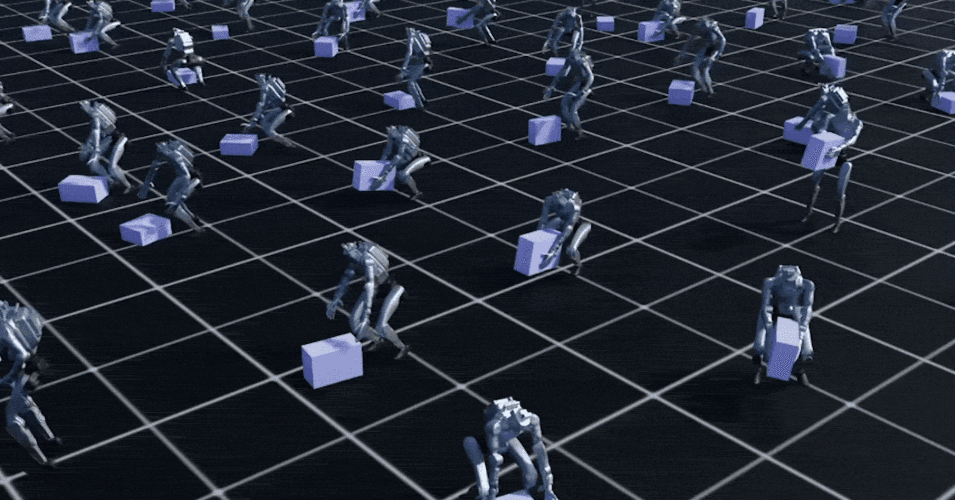
Flexion Robotics, a Swiss startup founded by former Nvidia researchers, claims to have solved this. The company has developed a method to train robots on complex tasks by breaking them down into simple skills like opening doors, climbing stairs, and carrying boxes. The process involves teaching these individual skills in simulation before a master AI algorithm decides how to combine them.
Most demonstration videos show humanoids performing one specific task, such as folding shirts or stocking shelves. This is usually achieved through teleoperation, where a human controls the robot’s movements from behind the scenes. That approach fails when the robot encounters unfamiliar settings. Flexion states its system is different and more efficient because it trains robots in simulation with limited human instruction.
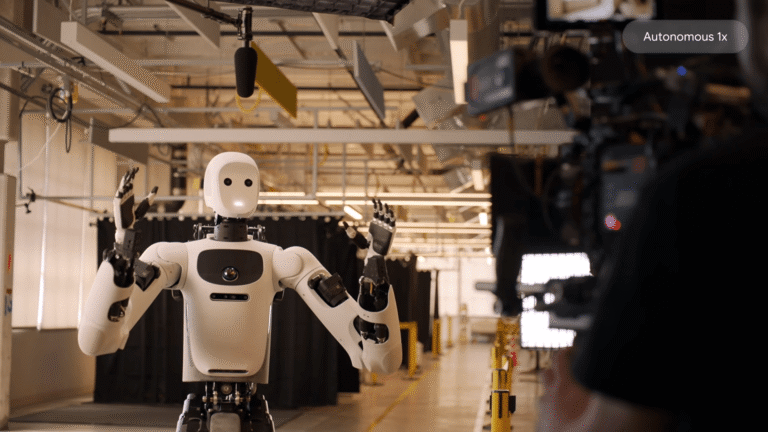
The video below shows the software in action: A modified Unitree humanoid robot operates autonomously after receiving the command: “A parcel with snacks has been delivered for Flexion. Retrieve it using the stairs and come up using the elevator. Then unpack it and place the items into the empty drawer on the shelf in the snack area.”
How the system works
Flexion’s approach combines different AI systems. The main model figures out how to do chores by digesting videos of humans performing various actions. The software then matches learned skills from simulation to those videos and executes the tasks in the real world. To reach a mail room, for example, the model may learn it must open specific doors and use an elevator. The system also controls the robot’s motors, allowing it to walk, move its limbs, and maintain balance.
Nikita Rudin, the cofounder and CEO of Flexion and a former robotics research scientist at Nvidia, says the software’s “secret ingredient” is extensive reinforcement learning. This method trains computers to master tasks through trial and error. Each layer of the software, from the master AI model to the simulation to motor control, uses this approach.
Market potential
Tech industry leaders like Elon Musk and Jensen Huang argue that humanoids will have a huge impact on the economy because they may eventually replace a significant portion of human labor. However, Flexion’s demonstration shows that empowering humanoids requires fundamental advances in AI.
“The humanoid itself isn’t the interesting, revolutionary thing, rather it’s the AI models that back them,” says George Chowdhury, an analyst with ABI Research who follows the humanoid market. ABI Research estimates that the market for robot foundation models could be worth $150 billion by 2036.
Rudin notes that Flexion is collaborating with several robotics companies and that the software works across different humanoid forms. Given the number of systems currently on the market, this could increase the software’s commercial value.
Chowdhury says Flexion must work closely with hardware manufacturers to succeed and will face fierce competition. But without the ability to program humanoids as demonstrated, he says, “there isn’t really a market here.”
What it means
For people making things, the shift is from direct control to programming intent. Workers will no longer need to manually guide every movement of a machine. Instead, they define the goal, such as fetching a package, and the software handles the steps required to get there. This reduces the need for specialised operators and allows robots to function in varied environments without constant human adjustment.