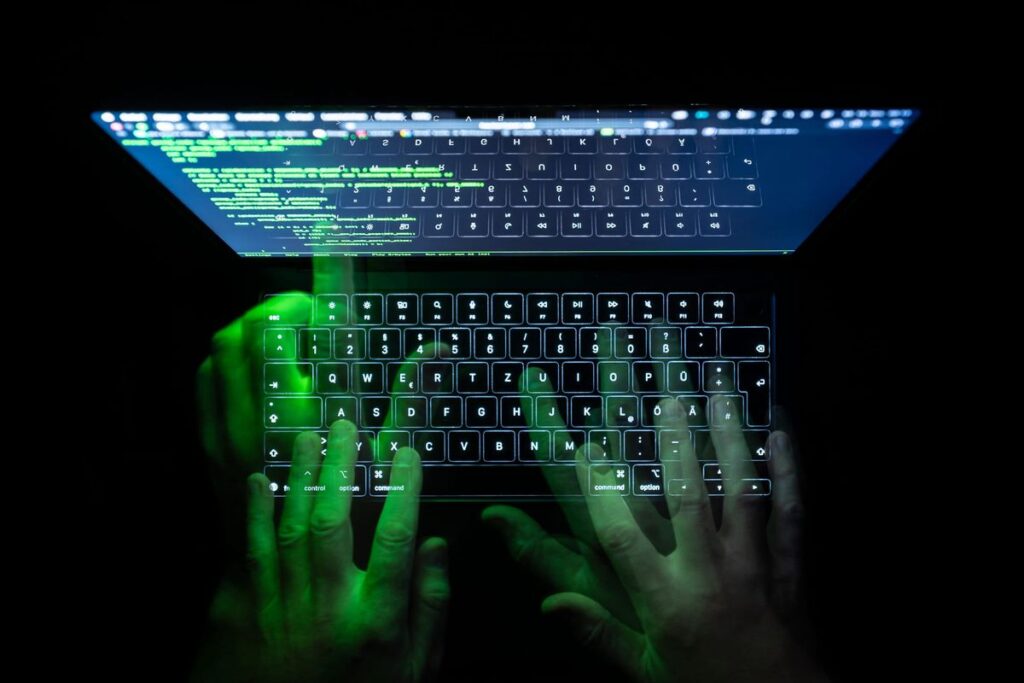
The FBI has issued a warning that hackers are using an open-source framework called ARTEX to breach government, healthcare, and financial targets at machine speed. The tool automates reconnaissance and data theft, allowing attacks to move from planning to execution in just a few hours.
The mechanics of the threat
ARTEX is written in Go and connects to large language models from providers like Anthropic and DeepSeek. It generates multiple agents, each assigned a specific hacking task. This setup removes the need for manual oversight during the process. The FBI notes that the tool handles everything from scoping out a target’s infrastructure to stealing data without interruption. Unlike a human operator, the software does not sleep, eat, or require a commute.
Other similar multi-agent frameworks are also in use. Google’s threat intelligence team has identified activity from tools named CAIRN, CyberStrikeAI, and PentAGI alongside ARTEX.
The original creator pulls back
The original author, who signs off as Autumn-27 and writes in Chinese, removed the tool from GitHub in October. A message left on the repository states that the software has been misused by malicious actors for cyberattacks. The creator denies any association with these incidents, stating that such use contradicts their original intent. They announced plans to move ARTEX into a closed-source model and stop issuing updates.
However, the code remains accessible. Several individuals have cloned the project and continue to publish versions for public use. Those who downloaded the original version from Autumn-27 may still possess it locally.
One host, using the handle Racem, told 404 Media they would not remove their repository. “The code is already copied everywhere,” they said. “Deleting this repository would remove the maintained version and its fixes, not the capability.”
Defenders and hosts weigh in
Jiwoo Jung, CTO of an AI marketing company, hosts a version of the tool on GitHub. He explained that a user reported an attack on their service via a public GitHub issue on November 3. The reporter asked for the project to be taken down or restricted until safeguards were added. Jung replied that the project would remain active, citing its authorized-use terms. He suggested the reporter contact law enforcement, noting they had already done so.
These tools are standard in the open-source cybersecurity community. Defenders have used offensive tools for decades to test their own defenses and patch systems before a real breach occurs. State-sponsored groups, such as Russian hackers using the Metasploit framework, have relied on similar open-source software for years.
The shift lies in the speed and skill required to execute an attack. Jung notes that agentic tooling compresses steps that once took a skilled operator days into hours. He argues that defenders need to understand these tools and develop detection signatures for them.
Racem acknowledged the damage described in the FBI advisory. “The harm the [FBI] advisory describes is real, and I don’t minimize it,” they said. They admitted the tool automates a large part of the manual work in a penetration test, which explains why some people misuse it. “The authorization belongs to the operator, not to the tool.”
Racem maintains the version for small teams and founders who lack a pentest budget. They allow users to run the tool against their own infrastructure for the price of API calls. Racem uses it personally for bug bounty programs and AI security research.
Neither Racem nor Jung confirmed if the FBI advisory refers to their specific versions, as they cannot know for certain. Both warned against malicious use. Jung added that he has since added an email address for people to contact if they believe ARTEX was used against their systems.
What it means
For defenders, the primary change is the velocity of intrusion. A breach that previously required a team of analysts over weeks can now be executed by a single automated agent in hours. Security teams must update their detection strategies to identify these rapid, multi-agent patterns rather than relying solely on traditional manual signatures.