For creators and artists, the arrival of a fully public SpaceX signals a new era where the tools shaping our digital reality are no longer the private playground of a single billionaire but a publicly traded engine for innovation. While the immediate impact on AI music and generative audio tools is indirect, the capital influx ensures that the engineering behind next-generation hardware and software will accelerate, potentially lowering costs and increasing accessibility for makers worldwide.
SpaceX sets a new benchmark with historic IPO
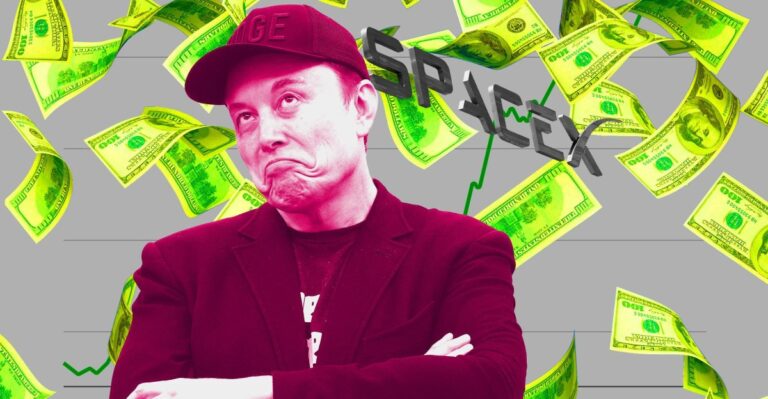
Elon Musk’s space and artificial intelligence conglomerate has officially confirmed the pricing of its initial public offering, raising an unprecedented $75 billion. The underwriters are scheduled to begin marketing the company on the Nasdaq stock exchange this Friday. SpaceX has priced its 555.6 million shares at $135 each, according to an update on its website. This valuation officially cements SpaceX as the largest IPO in history, surpassing the $24.9 billion raised by Saudi Aramco during its 2019 debut.
At this valuation, the deal positions Musk to become the world’s first trillionaire. The company, formally known as Space Exploration Technologies Corp., will trade under the SPCX ticker symbol. As active trading commences tomorrow, share prices may fluctuate, though anecdotal reports indicate that both major institutional investors and individual buyers are queuing to acquire stakes in the 24-year-old technology firm.
If the offering proves as oversubscribed as the bankers claim, they retain the option to sell an additional 83.3 million shares. This would generate another $11 billion at the opening price. Meanwhile, Hyperliquid, a crypto betting platform offering synthetic exposure to SpaceX stock, lists shares at $167. This suggests market participants anticipate a classic 20% pop on the first day of trading.
Valuation questions and shareholder windfalls
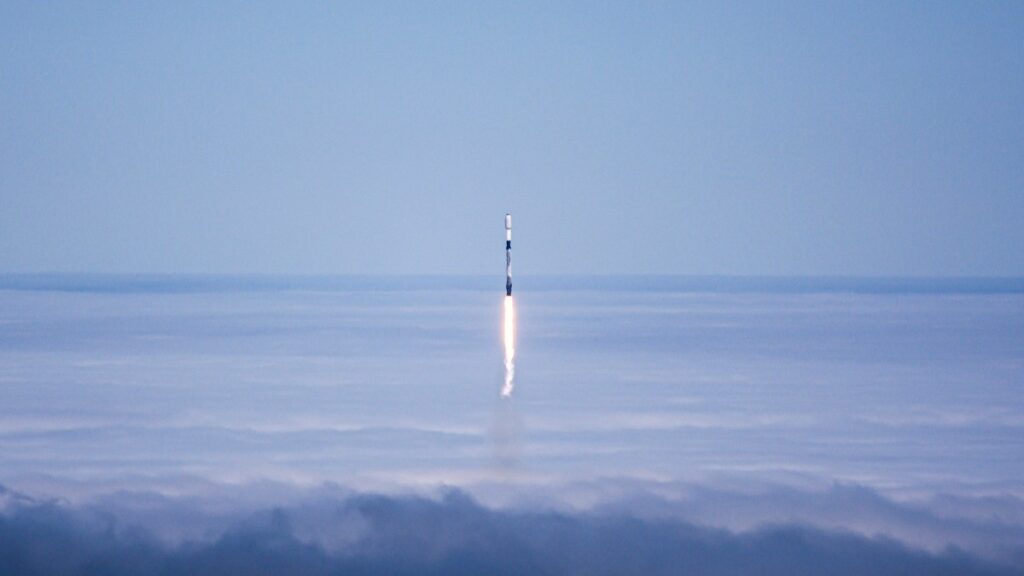
Long-term concerns remain regarding how SpaceX will justify its staggering valuation. The company faces a daunting list of engineering challenges, ranging from the world’s largest reusable rocket to a new American semiconductor fabrication plant.
The primary beneficiary of this offering is Musk himself. He holds just under 850 million Class A shares, each carrying one vote. He is also entitled to 5.6 billion Class B shares, which carry ten votes per share. This includes shares contingent on a long-shot wager that one million people will eventually reside in a SpaceX colony on Mars.
The listing delivers significant gains to other key figures. Antonio Gracias, founder and CEO of Valor Management, receives 503.4 million shares, valuing his position at nearly $68 billion at IPO price. Other major shareholders set to profit from the historic event include board member and investor Luke Nosek, who owns 33 million shares, and COO Gwynne Shotwell, holding nearly 12.6 million shares.
The IPO also provides substantial windfalls to the roughly 400 venture capitalists who backed the company during its two decades as a private entity, a period in which it raised approximately $40 billion in private capital. Furthermore, a vast pool of smaller investors who backed SpaceX via special purpose vehicles (SPVs) are poised to see their initial capital multiply. However, due to the complexities of these vehicles, some may not understand the exact magnitude of their gains for months after the company’s public market debut.
Key takeaways
- SpaceX has executed the largest IPO in history, raising $75 billion by pricing 555.6 million shares at $135 each.
- Elon Musk is on track to become the world’s first trillionaire, while major shareholders like Antonio Gracias and Gwynne Shotwell secure multi-billion dollar windfalls.
- While early trading signals a potential 20% pop, the company faces significant scrutiny regarding its ability to justify its valuation through future engineering milestones.
- Thousands of smaller investors via SPVs will see their capital multiplied, though the full extent of their gains may not be clear until lock-up periods expire.