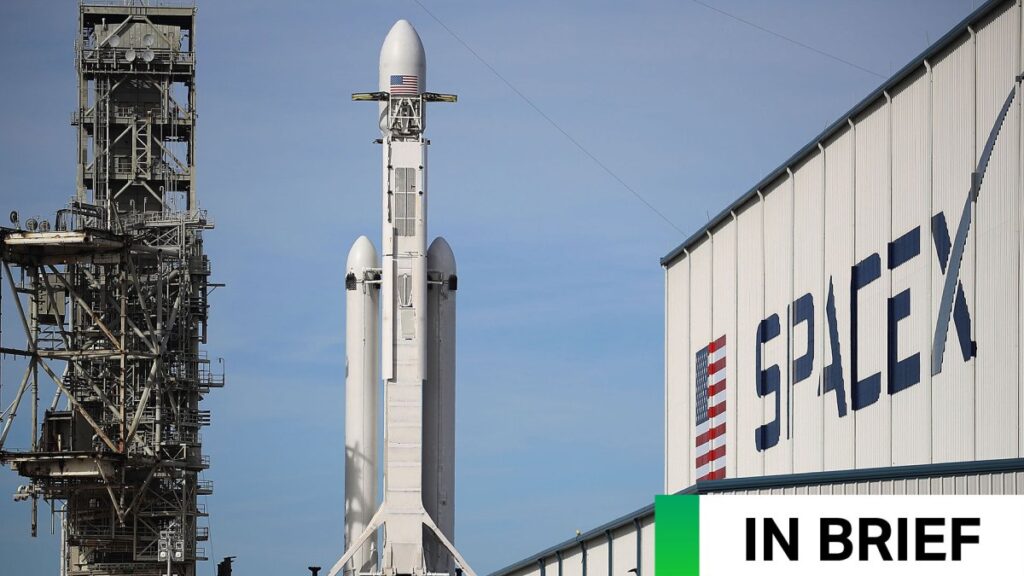
As SpaceX prepares for its public listing, a significant number of backers who invested via special purpose vehicles (SPVs) remain in the dark regarding their actual share count or whether they will receive any allocation whatsoever. This opacity stems from a uniquely complex structure where multiple layers of SPVs have been stacked to capture high demand, with some investments reaching four or five tiers deep.
While multi-layer SPVs are not new, SpaceX marks a critical test of their legitimacy. In recent months, firms such as Anthropic and Anduril have moved to ban such convoluted arrangements. Yet, for SpaceX investors, the reality is that many may discover they own fewer shares than anticipated, or nothing at all.
Implications for investors and market structure
Nearly a dozen SPV managers and secondary market traders speaking to us warn that backers in lower-tier vehicles face significant uncertainty. The core issue is timing: investors will not learn their true holdings until the company’s rolling lock-up period, expected to last about four months, begins to expire. SPV managers cannot distribute shares until they have access to them, and lock-up agreements legally prevent insiders, employees, and venture capitalists from selling for a set duration to stabilise the post-IPO market.
Justin Ernest, founder and managing partner of Sabertooth Capital, which specialises in first-layer SPVs, notes that the top-tier vehicle has a 30-day window to distribute stock. This delay cascades down the chain; the next layer likely waits another 30 days, and the final layer could be looking at eight or nine months before receiving any equity.
Compounding the delay are fees. One anonymous secondary investor highlighted that in messy, multi-layered structures, expected share counts are often “eroded by fees” pocketed by the various managers along the chain. Communication breaks down as well, creating a siloed environment where each participant only knows what is happening in the layer immediately above them.
The most pressing risk for downstream investors is the potential for total loss of allocation. This fear is amplified by recent legal action against Giovanni Pennetta, manager of Sestante Capital, who was sentenced to four years in prison for fabricating access to non-existent allocations in the defence tech firm Anduril. The concern is that Pennetta is not an isolated case, and many investors at the base of these structures failed to vet the entire chain of managers.
Nick Davidov, founder of Davidovs Venture Collective, recently shared on X that a friend invested in a two-layer SpaceX SPV in 2021, expecting returns to outweigh the fees. However, the SPV manager has stopped responding to emails and calls for over a year. Idan Miller, managing partner at the Unicorns Exchange, agrees that the market will soon reveal the truth. “Once the lock up of the shares is removed, and these SPVs will start selling the shares, there will be some vehicles that will be revealed as scammers or fraud,” Miller stated.
Key takeaways
- SpaceX investors in deep-tier SPVs may not receive their shares for up to nine months due to cascading distribution delays and lock-up periods.
- Multi-layer structures create significant risks of share erosion through fees and potential fraud, as seen in recent legal cases involving Anduril.
- Communication breakdowns between SPV layers make it difficult for end-investors to track their true holdings until the IPO lock-ups expire.