SpaceX disclosed a binding agreement worth roughly $40 billion to fund AI chips and data centre hardware on Monday.
The deal structure
An entity controlled by Apollo Global Management, the New York-based private equity firm, will purchase the chips and server hardware. It will then lease the equipment to SpaceX for five to five-and-a-quarter years. The leases begin upon delivery of each batch of gear, according to the regulatory filing.
Closing is expected by year-end, with leases starting in the first half of 2027 as the GPUs arrive.
Why SpaceX wants this
The arrangement offers an alternative funding route beyond traditional debt markets. SpaceX CFO Bret Johnsen stated the lease diversifies funding sources and covers a significant portion of capital needed for growth plans. He noted the company sees payback periods of less than one year on its AI infrastructure investments as it scales compute for Grok and its cloud services.
Apollo confirmed the financing will help deliver Nvidia’s next-generation Vera Rubin chips for SpaceX’s terrestrial compute buildout.
Spending is accelerating
SpaceX is increasing spending to expand AI infrastructure alongside its Starlink and launch businesses. The AI segment, which includes the Grok chatbot, the Cursor coding tool, and its cloud compute business, generated $7.6 billion in the third quarter. That figure exceeded the combined revenue from Starlink and rocket launches. Total revenue for the period was $14.6 billion.
Capital expenditures surged to nearly $20 billion, up from $6.9 billion the previous year. On an earnings call on Oct 20, CFO Bret Johnsen said SpaceX expects to spend between $35 billion and $40 billion in the fourth quarter alone.
Market context
The massive lease follows a difficult period in debt markets for AI infrastructure players. Investors have become cautious about runaway capital expenditures and limited profits.
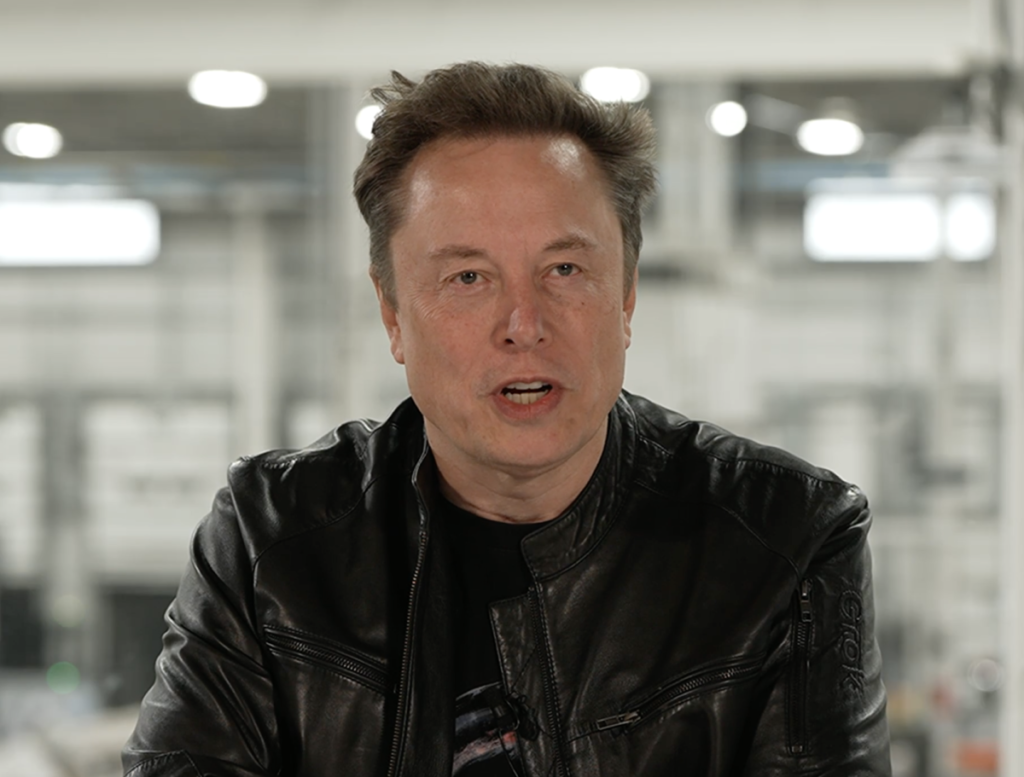
While SpaceX faced no trouble accessing Wall Street, Elon Musk used the announcement to highlight the struggles of pure-play AI compute rivals. He pointed to SpaceX’s investment-grade status and steady cash flow from Starlink and rocket launches. Musk argued that debt markets have largely closed the door on companies without major revenue streams outside of AI data centres.
He stated this spells trouble for the more than 200 neocloud companies built solely to rent out GPUs for AI workloads. On X, Musk wrote that these firms face “guppy-level death and consolidation”. He added that while some will survive, not many will.