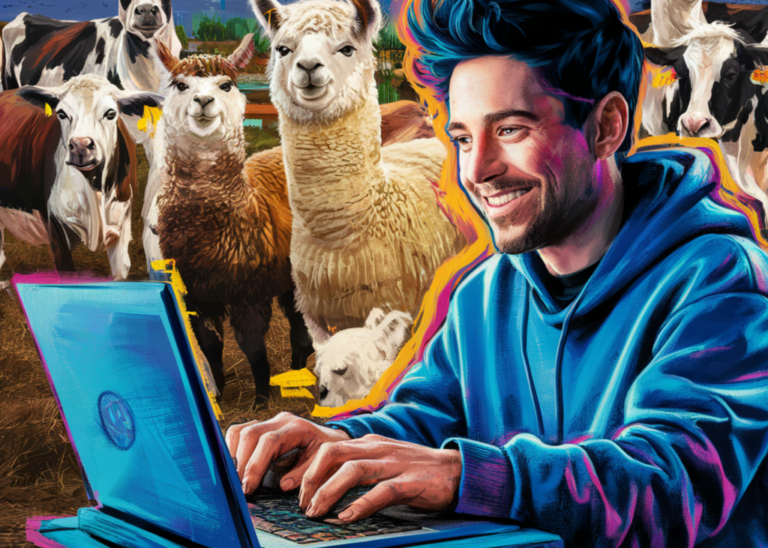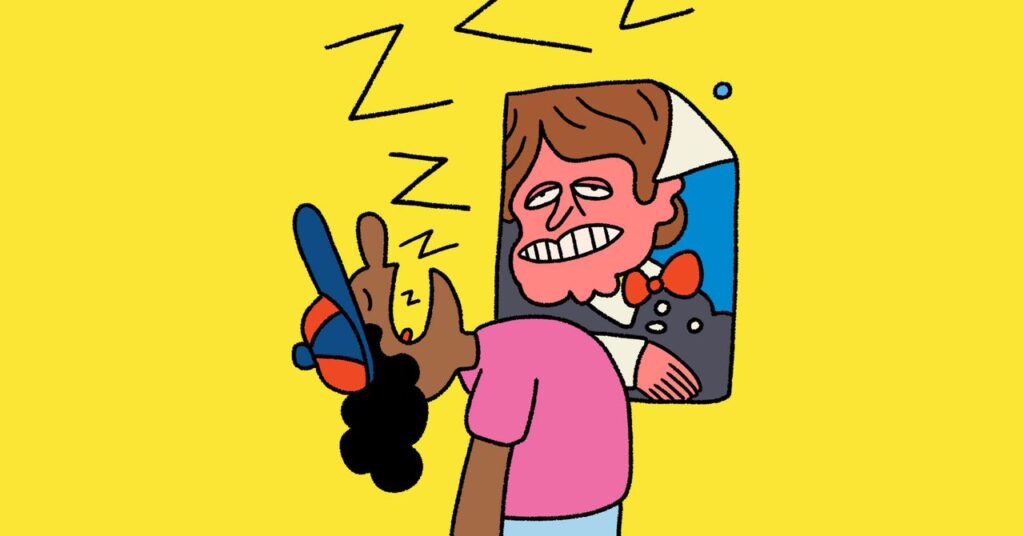
Teenagers are increasingly expressing distaste for artificial intelligence, rejecting the enthusiastic marketing campaigns that have dominated the last four years. Market research firm YPulse reports that 37 percent of young people aged 13 to 17 cringe when viewing AI-generated music or videos, while more than half express concern over misinformation and deepfakes. This skepticism exists alongside high adoption rates, where a majority of American teens still use chatbots for schoolwork or companionship. A recent Pew Research report highlights this contradiction, noting that although many believe the technology benefits them personally, over a quarter foresee negative societal impacts within the next two decades. These concerns specifically include job losses, the erosion of critical thinking skills, and environmental damage.
Experts suggest this shift stems from moral panic originating within the youth rather than from older generations. Melanie Green, a communications professor at the University at Buffalo, explains that children are turned off by how adults and tech corporations push the technology onto them. Young people feel acutely aware that their generation will bear the brunt of any disruption caused by these systems. This sentiment is visible on social media platforms like Bluesky, where parents bond over children dismissing AI content as nonsense, and on Reddit, where educators note that students cannot stand the output despite using the tools. The disconnect reflects a refusal to accept the hype surrounding the technology.
- 37 percent of teens cringe at AI-generated art
- Over half worry about deepfakes and misinformation
- Students attribute the dislike to corporate marketing pressure