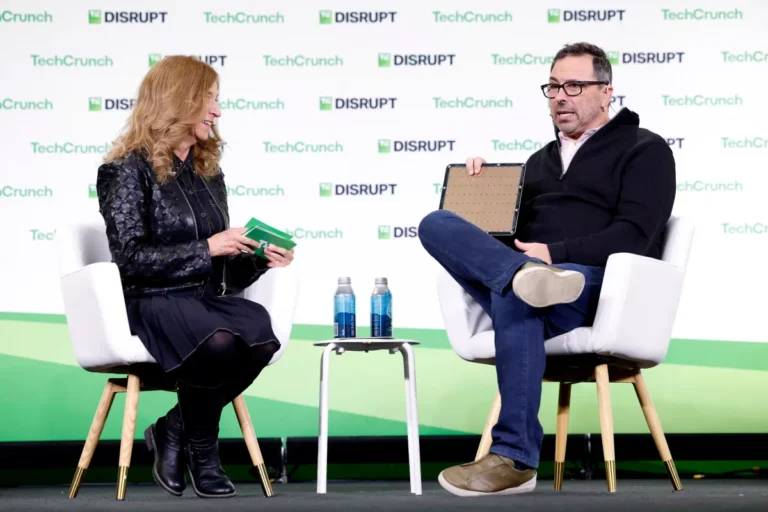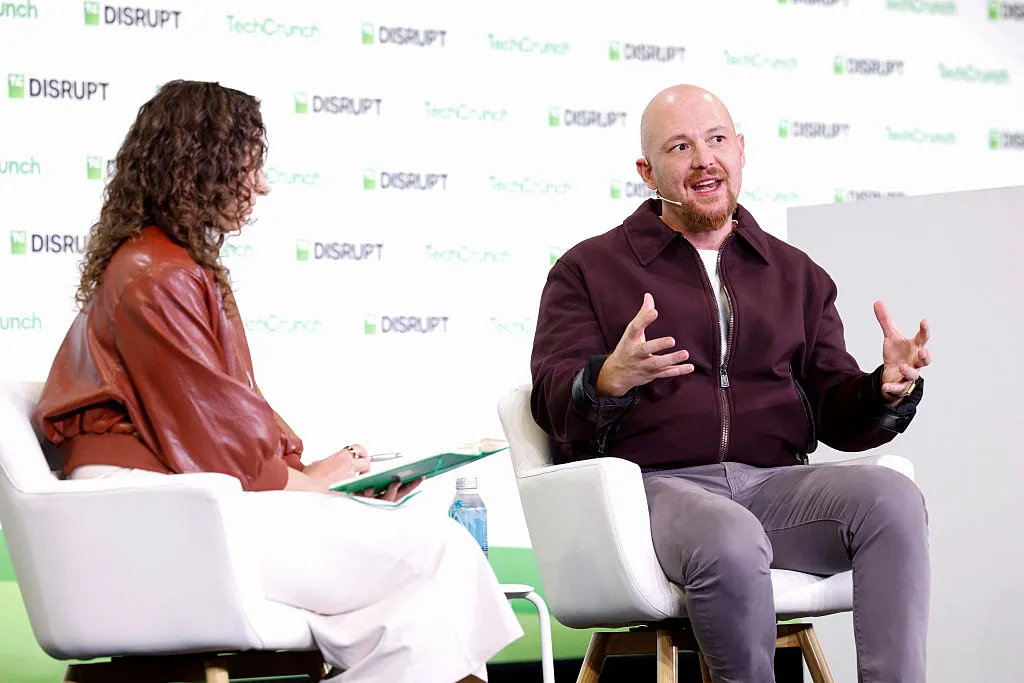
Amjad Masad, co-founder and CEO of Replit, told an audience at TechCrunch Disrupt in San Francisco that the future of work is a “self-driving company”. He used the term to describe how AI agents will handle the heavy lifting of business operations while humans focus on judgement and taste. This view emerged after his team observed how their own workplace shifted once AI agents became reliable earlier this year.
How the daily grind is changing
Masad noted that everyone in the room had experienced a shift in their job over the last 12 months. He argued that many people across America and the rest of the world remain unaware of this change and will find it surprising when it fully arrives.
Replit has restructured its internal operations to reflect this new reality. When a support ticket arrives, an agent examines it first. The software reviews GitHub issues, the codebase, and Linear tickets to perform initial triage. By the time a human receives the request, they possess all the context needed to decide how to proceed.
If the support staff determines a patch is required, they simply click to deploy another agent. Masad described this as a full loop where agents perform the majority of tasks. He emphasised that human judgement remains essential in the middle of this process and is not disappearing soon.
“You need human judgment; you need taste,” Masad said.
The outcome is not that AI removes jobs, but that it alters what employees do. Masad reported seeing more discussions and whiteboarding sessions around the company. Staff now spend more time on architecture and determining how to build things rather than executing routine tasks.
“We’re spending a lot more time figuring out what to work on,” Masad continued. He stated that the “self-driving company” concept is an attempt to understand what AI transformation truly means for the workforce.
Conversations with other businesses now centre on how AI can increase productivity and happiness. Masad explained that agents make work less boring and more creative. He added that Silicon Valley rarely puts forward this positive vision of the world and Replit hopes to offer an alternative.
What it means
The practical result is a shift from execution to design. Employees are no longer just fixing bugs or writing code; they are defining problems and planning solutions. The AI handles the repetitive parts, allowing staff to focus on the strategic decisions that require human input.