
**Editorial Brief**
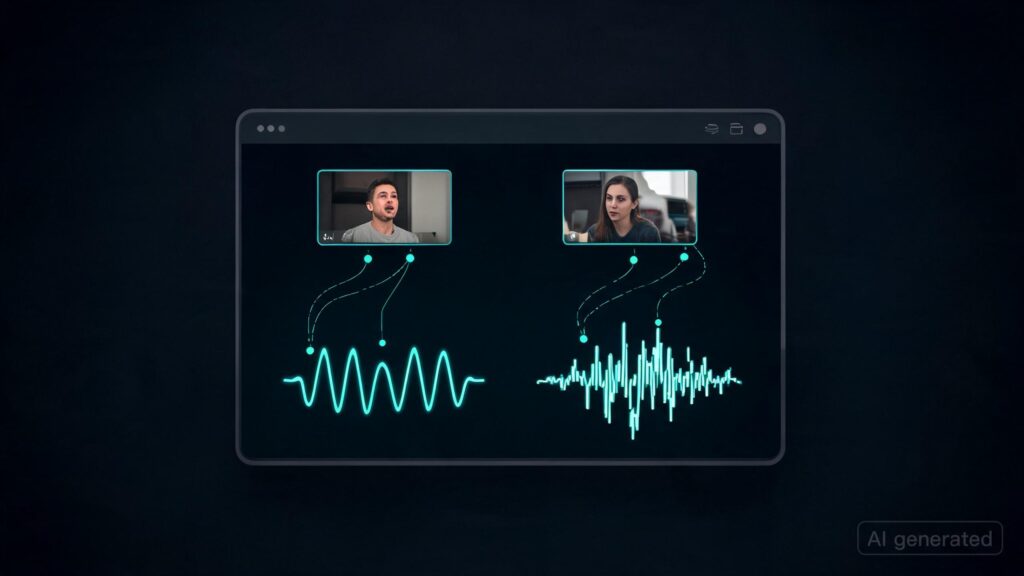
WebRTC, the technology powering real-time audio and video communication in browsers, is often designed to prioritize low latency over accuracy, leading to issues like distorted audio. This can be frustrating for users who expect high-quality interactions but are constrained by the technical limitations of WebRTC. The case made by Luke Curley at OpenAI highlights how these constraints impact user experience, particularly when dealing with expensive and time-sensitive tasks such as generating responses from large language models (LLMs). Despite efforts to improve, the core design principles that favor real-time performance over accuracy remain a challenge.
**Takeaways:**
– **Latency vs. Accuracy**: WebRTC’s focus on maintaining low latency can lead to issues like distorted audio, which is unacceptable for users requiring precise interactions.
– **User Expectations and Constraints**: Users often have higher expectations for the quality of their interactions, especially when dealing with LLMs that are already slow. The technical limitations imposed by WebRTC make it difficult to meet these expectations.
– **OpenAI’s Response**: OpenAI is grappling with similar issues as they attempt to scale voice AI while maintaining real-time performance, indicating ongoing challenges in this area.