For makers and artists: the quiet revolution in hardware-led AI
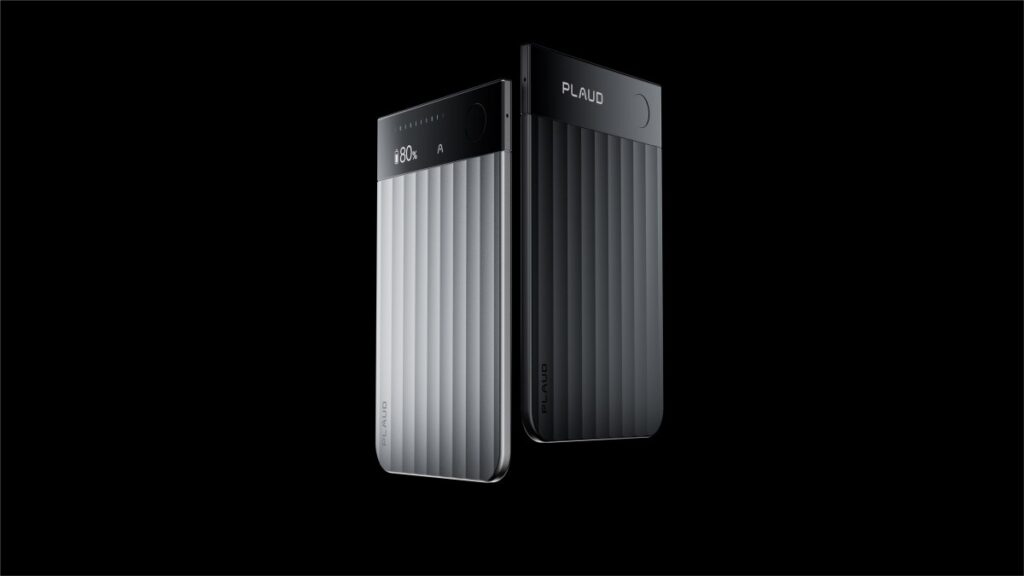
Success stories in the realm of AI-driven hardware are notoriously scarce. Plaud is attempting to carve out a place among them by focusing on professionals drowning in meetings. The firm reports shipping over two million units of its screen-free devices, ranging from the Plaud Pins to credit-card-sized gadgets that adhere to the back of smartphones. Alongside this volume, their subscription arm has reportedly hit a $100 million annualised recurring revenue mark.
Plaud argues that many AI competitors are still tethered to digital documents and prompts typed out from memory. Their philosophy is that devices lacking screens facilitate genuine face-to-face interaction, ensuring users capture key points and generate summaries or action items without breaking the flow of conversation.
“Most AI companies have scaled through software behind a screen. We took a different path. The conversations that actually move things forward don’t happen on a keyboard. We built the interface for the post-screen world. And the market validated it,” said Nathan Xu, co-founder and CEO of Plaud.
Hardware evolution and software acceleration
Last year, the company introduced the $179 Plaud Pro. This year, they added the new Plaud Pin S at a similar price point. Beyond the physical devices, Plaud has ramped up its software development. Earlier this year, they launched a desktop application capable of capturing Granola-style notes via system audio for online meetings. More recently, they unveiled Plaud Teams, featuring shared memory capabilities aimed at enterprise clients.
Users can purchase the hardware and receive 300 minutes of transcription for free. However, for those with back-to-back meetings, this allowance depletes rapidly. To access additional minutes and premium features, subscribers must opt for monthly, annual, or add-on plans. Xu told TechCrunch that revenue is heavily driven by nearly half of the device owners upgrading from the basic tier to pro or unlimited plans.
Crucially, the company does not yet sell standalone software subscriptions. This means that typically, it is the users who already own a Plaud device who are purchasing these paid upgrades.
The meeting note-taking hardware sector faces stiff competition, with rivals including accessories giant Anker, Transsion-backed Viaim, Sequoia China-backed Vibe, and YC-backed Pocket.
Key takeaways
- Plaud has shipped over 2 million AI notetakers and achieved $100M in ARR by focusing on screen-free hardware that encourages natural conversation.
- The business model relies on hardware sales, with nearly 50% of revenue coming from users upgrading from free basic plans to paid tiers.
- While facing competition from major players like Anker and Vibe, Plaud differentiates itself by positioning its devices as interfaces for the “post-screen world.”