Why having a phone in your pocket might be killing your songs
Modern musicians have never had it easier to capture a fleeting melody. Voice notes, mobile DAWs, and AI tools can save a lyric or a demo instantly. Yet, according to Paul McCartney, this convenience is creating a new problem: songwriters are less likely to finish their tracks.
In a recent chat with Zane Lowe for Apple Music, the Beatles icon argued that technology has made the initial spark of inspiration too easy to grab, removing the pressure to see an idea through to completion.
The old rule: finish or forget
Before the smartphone era, a songwriter could not afford to drop a half-baked idea. As McCartney recalled:
“[In the past] you always had to finish a thing because there was nowhere to put it. You had to put it in your mind. So you had to finish it. So you did.”
The human brain is not a hard drive. Ideas that were not fully realised would fade, forcing the artist to commit to a structure or risk losing the melody entirely.
The new reality: thousands of half-finished sketches
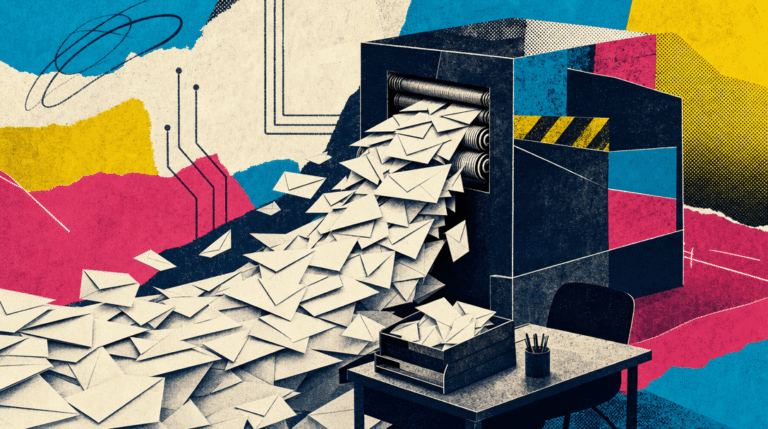
Today, that pressure has vanished. McCartney estimates he now has over 2,000 audio sketches stored on his phone. He can capture a fragment, save it, and return to it later without consequence.
“Because of the luxury of a phone, if you don’t have long but you got an idea, you’ll put it down,” he noted. Some of these files eventually become full songs, while others sit in a digital vault as potential themes for future film scores or piano pieces.
Constraints as creative drivers
The conversation turned to his early days using four-track recorders. Unlike the infinite storage of a phone, a four-track tape machine required immediate, irreversible decisions. To record a new instrument, a musician often had to mix down or “wipe” existing tracks, effectively committing to a specific arrangement.
Zane Lowe pointed out that this limitation meant you could not change your mind later. For McCartney, these restrictions were not barriers but essential creative tools.
“That’s actually a great thing,” McCartney said, advising young bands to avoid over-reliance on gadgetry. “Just play it all, learn it all, write it all because it’s better.”
While he enjoys experimenting with tape loops and unique recording methods, McCartney warned against becoming dependent on the tools themselves. He dislikes records that sound as though they were made entirely by gadgets rather than by human hands.
The ease of saving everything today means fewer songs are completed, as the luxury of the phone removes the necessity to finish what you begin.
Key takeaways
- Convenience kills completion: The ability to instantly record ideas on a smartphone has removed the historical pressure for songwriters to finish tracks immediately, leading to a backlog of unfinished sketches.
- Constraints foster creativity: McCartney credits the limitations of early four-track recording for forcing artists to make definitive creative choices, resulting in stronger songs than those created with unlimited editing capabilities.
- Human touch over gadgetry: While technology is useful, McCartney argues that over-reliance on digital tools can lead to music that lacks the organic quality of instruments played and committed to tape in real-time.