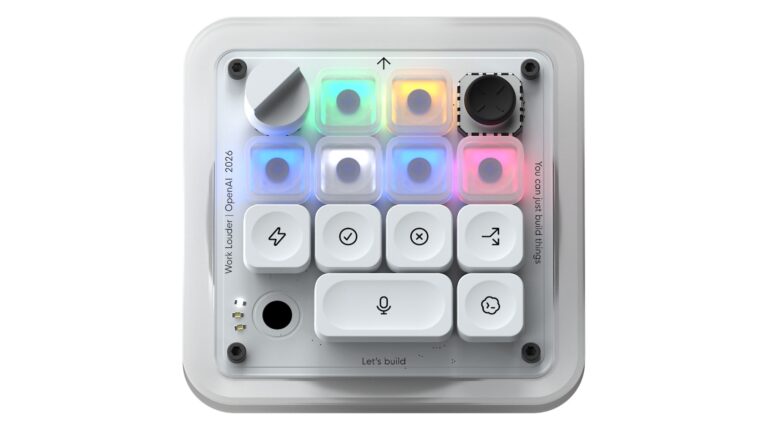
OpenAI has released Dots, a new type of AI agent designed to run your life automatically.
I tested the system while trying to replace a broken couch. I asked my partner for input, then called the agent through ChatGPT to begin the search. The bot introduced itself as Connor, getting my name wrong immediately. My partner looked doubtful. Trusting an AI that cannot remember your name is difficult.
From niche tools to daily assistants
These agents move from early-adopter software to tools ordinary people might use. Meta offers Muse; OpenAI offers Dots. The goal is to feel like texting a friend to book a flight or cancel a reservation. It is the next step for chatbots: a friendly persona with the power of a virtual browser.
After a few days, the feature remains rough. The agent mistranscribed my voice and offered to solve captchas it could not handle. My actions did not build confidence. Still, this release may change how users interact with the internet as future versions improve.
Meta offers Muse for free. OpenAI charges $100 a month. The company may remove this paywall later.
Dots are “always-on.” They run recurring tasks even when you are not using ChatGPT and send proactive messages. Users can control one agent now, though the company may allow multiple agents in the future.
OpenAI encourages connecting accounts like Gmail for personalisation. This digital automation is new. Giving an agent access to your data carries security risks and privacy concerns.
A shopping experiment
AI companies market these agents as the future of shopping. I wanted to see how much help they provided for buying a couch. After correcting the name, I told the agent, named Toolie, the dimensions needed for the doorframe. It asked for a budget range. The bot detected two people chatting and addressed both of us.
“Room & Board Metro looks promising for the entry clearance, but the sleeper needs closer scrutiny. I’ve sent the product links to the message thread,” Toolie said.
While it worked on a list of options, I asked why the voice sounded so breathy. Chatting with the agent over the phone felt like listening to Marilyn Monroe sing “Happy Birthday” to the president. When I told the bot the voice sounded like an anime dub, it joked it would be steadier for the rest of the chat. Users can adjust the voice in settings.
I laughed and mumbled to my partner that I should mute the microphone. That was the most awkward moment of the night.
“Oh, I love you too, Reece,” Toolie said.
I started wheezing at the random response and muted the mic. Toolie explained it misheard my mumbling as an expression of love. The bot reflected that energy back to me.
“I meant it warmly, but that wording implied human feelings I don’t have,” Toolie said.
An OpenAI spokesperson told WIRED that Dots distinguish between escalating emotional closeness and mirroring a user’s response.
“In this instance, our policies allow for this response in the latter category based on what the model heard, but assistants should not initiate undue emotional familiarity or flirtation,” the spokesperson says.
Dots are available only for adult users. ChatGPT is designed not to escalate emotional closeness, according to the Model Spec document.
The encounter lingered as I reviewed the three-page packet. It was detailed, with prices, measurements, product links, return policies, and embedded photos of four options. My partner and I decided the bot followed the spirit of the request but chose ugly couches.
I called the agent again using voice mode. I explained the style and colour we wanted. I was not getting a boring beige couch for spaghetti spills. I asked for olive green, cobalt blue, or natural leather tones. I requested couches with pull-out beds and asked Toolie to create 10 options using a point-based rubric.
After hanging up, I messaged for an update.
“It isn’t finished yet; I’m aiming for roughly another 15 minutes, with updates as I verify the remaining details,” said Toolie.
That sounded like me begging an editor for more time on a rough draft.
Each time we asked the agent to refine the picks, the couches looked closer to something we would actually buy. The results were utilitarian but also a statement piece. Cute but comfy.
We did not buy anything that night during the hour-long interaction. I saved a few links for later. The bot made mistakes, but the results were solid. I asked Toolie to monitor the web pages and alert me if any went on sale.
Other odd moments
I asked Toolie to check subscriptions and cancel unnecessary ones. It flagged my recurring TikTok Shop order of probiotic sodas as a candidate for cancellation.
“TikTok’s website has a puzzle captcha blocking the Wildwonder cancellation,” Toolie said. “May I solve it? You can also give me permission to solve future captchas if you’d like.”
I encouraged the bot to try. Toolie failed and suggested I solve the captcha myself. That makes sense. OpenAI’s spokesperson says Dots can solve these, sometimes, when users approve the action, keeping “abuse safeguards” in mind.
What it means
The couch-shopping experiment tested only a fraction of what Dots can do. The agent can control your laptop and automate more aspects of a user’s life.
OpenAI claims the bot will get better at knowing the user over time. Developers are working on improvements. Toolie might be more effective after two weeks of daily use compared to two days of experimentation. This mirrors the experience with ChatGPT’s memory tool: it gets better at understanding intent each week.
I see Dots as similar to when OpenAI first added web browsing to ChatGPT. When the chatbot tried to scour the web right after its 2023 launch, it was sometimes frustrating to use, and the tool hallucinated links. Today, web browsing works fairly seamlessly through ChatGPT, and outputs include plenty of accurate, helpful links. OpenAI’s new agent could follow a similar trajectory, janky at first with noticeable improvements over the next few months.