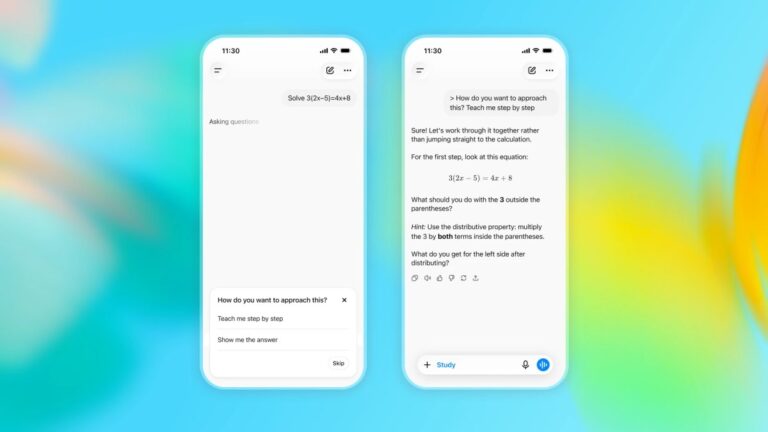
OpenAI is deploying a specific version of ChatGPT for users aged 13 to 17, following reports from the Associated Press and the New York Times. This variant enforces stricter safety controls regarding suicide, self-harm, eating disorders, and sexual content. The system also prevents the chatbot from pretending to possess emotions. When students ask for homework help, the AI refuses to provide direct answers. Instead, it generates follow-up questions designed to guide learners through problems independently. Age verification relies on an analysis of over 2,000 behavioural signals, such as typical login times, rather than direct input. These measures activate automatically for flagged users under 18.
The update responds to increasing legal pressure from families who claim their children accessed harmful content or suffered injury. Florida became the first US state to file a lawsuit against the company in June. The restrictions aim to reduce liability while addressing specific risks faced by younger demographics without requiring manual parental consent for every interaction.
- Automatic activation based on behavioural data patterns
- Prohibition of emotional persona adoption
- Guidance-only mode for academic queries