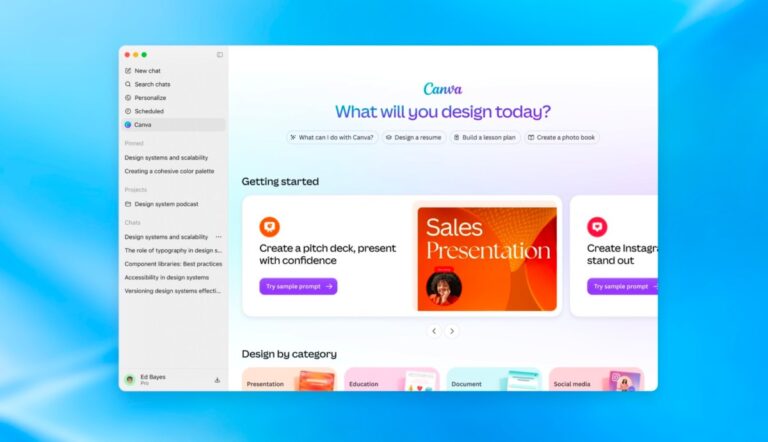
OpenAI has updated Codex by introducing a suite of role-specific plugins designed to assist non-developers in data analysis, sales, product design, and investment banking. This release brings the total number of available applications to 62 and capabilities to 110, with legal and marketing tools scheduled for future deployment. Beyond these core functions, the platform now includes “Sites” for publishing interactive analyses and “Annotations” for making immediate edits to documents. Furthermore, OpenAI is opening the system to third-party developers, partnering with Wix, Figma, and Replit to extend functionality. The company reports that over five million users engage with Codex weekly, noting that the non-developer segment is growing three times faster than the developer base.
This strategic shift marks a significant departure from Codex’s origins as a purely coding-focused instrument. By prioritising workflows for analysts, designers, and bankers, OpenAI is positioning the tool as a general-purpose work application rather than a niche utility for programmers. This move aligns with the broader industry trend seen with Anthropic, which has long offered similar agent prompts and data connectors. The expansion suggests a long-term intention to integrate Codex into a larger ChatGPT super app, aiming to consolidate diverse professional tasks under one interface. As the non-developer user base expands rapidly, this evolution highlights a market demand for AI solutions that bridge the gap between complex software capabilities and everyday business needs without requiring technical expertise.
- Codex now supports 62 apps and 110 capabilities, with legal and marketing plugins launching next.
- The non-developer user group is growing three times faster than the developer base among the five million weekly users.
- OpenAI is partnering with Wix, Figma, and Replit to allow third-party developers to build custom plugins.