Nvidia rival Etched announced on Tuesday that it has secured $1 billion in contract orders for its AI chip systems. This milestone comes after Taiwan Semiconductor Manufacturing Company successfully produced the hardware earlier this year.
The product and the market
The startup is currently testing these systems with clients. Etched describes them as “frontier inference clusters,” bundles containing the chips alongside custom racks and software designed to run large AI models faster and more cheaply than competitors. Inference represents the processing that occurs after a user submits a prompt. It currently acts as the primary bottleneck and the largest cost centre for AI firms scaling their services, which explains investor interest in solutions targeting this specific problem.
Founded in 2022, Etched has raised a total of $800 million. The latest funding round was an unannounced $500 million injection closed in December, valuing the company at $5 billion.
Who is backing the team
Investors include the VentureTech Alliance, Jane Street, Hudson River Trading, Two Sigma, and Ribbit Capital. Angel investment comes from Andrej Karpathy, Geoffrey Hinton, Fei-Fei Li, Arthur Mensch, and Scott Wu. The cap table also lists billionaire Stanley Druckenmiller and Peter Thiel.
Founders and funding history
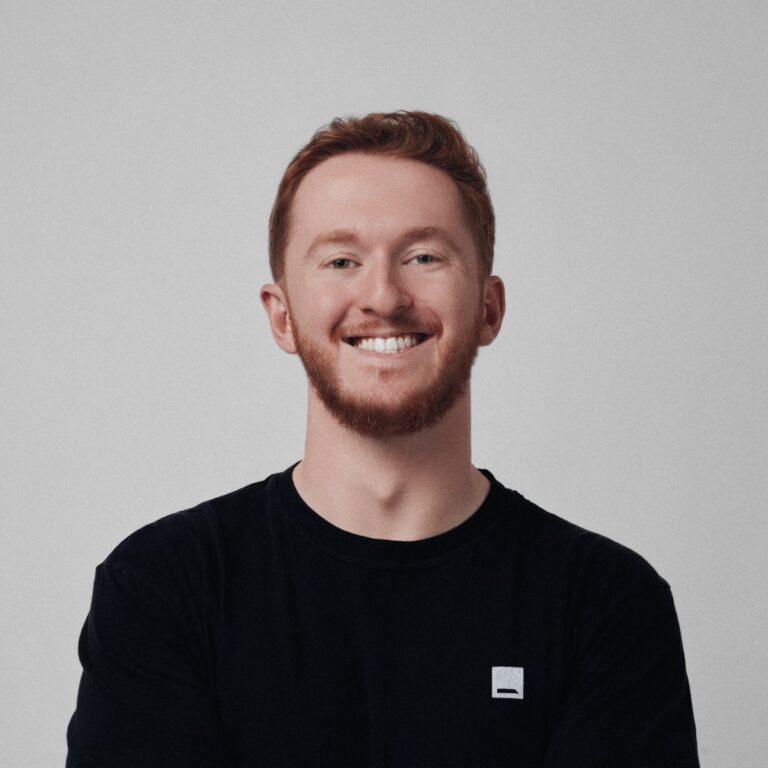
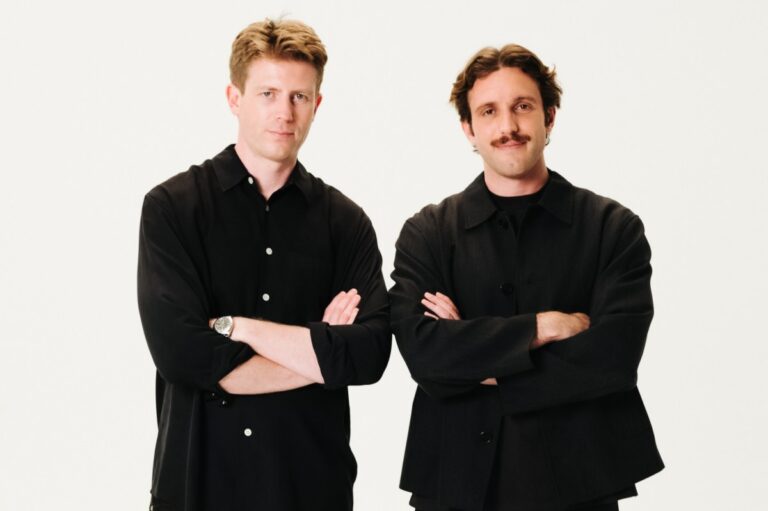
Although the press release suggests Etched is emerging from stealth mode, co-founders Gavin Uberti and Robert Wachen spoke to TechCrunch about their chip plans in 2024. Both left Harvard to become Thiel fellows before starting the company, Uberti noted at the time.
By 2024, Etched had already raised more than $125 million. However, founders told Patrick O’Shaughnessy on the “Invest Like the Best” podcast that 2023 was difficult. They struggled to find interest despite a 30-page memo arguing that AI would require specialised chips rather than general-purpose GPUs. Major investors rejected their pitches. The company reportedly operated on a month-to-month basis, nearly out of cash, during those early days.
Current environment
The funding landscape has shifted dramatically. Investors are now pursuing almost all AI-related technology, particularly chips that accelerate inference. Competitor Cerebras achieved the first breakout IPO of the year. AI chip maker Groq recently raised $650 million. Hyperscalers Amazon, Google, and Microsoft all manufacture their own in-house AI chips. OpenAI also announced its first custom chip, built by Broadcom.
What it means
For teams building AI applications, the competition for inference speed is intensifying. With Etched securing $1 billion in orders, the market is moving beyond theoretical models to deployed hardware. Companies relying on standard GPUs may face higher costs and slower performance as specialised solutions like these clusters become standard infrastructure.