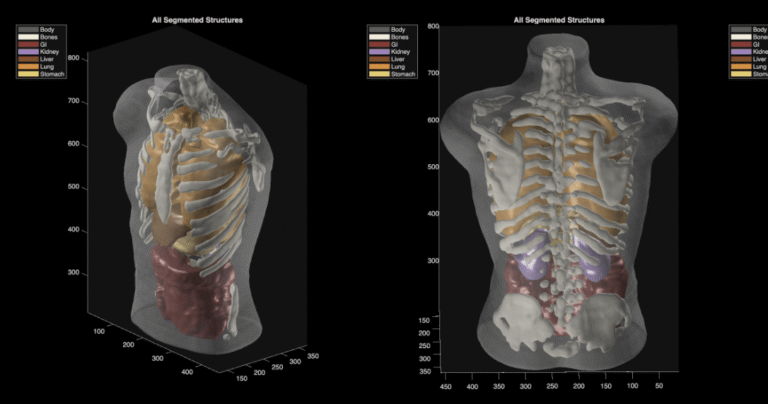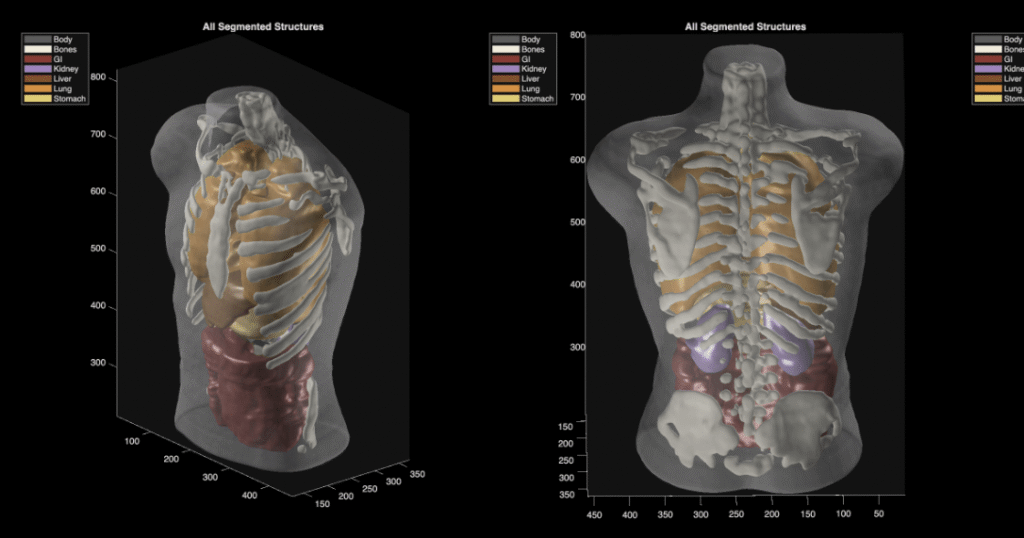
Midjourney, the company known for its popular text-to-image generator, has pivoted to hardware with The Midjourney Scanner. CEO David Holz demonstrated the device, which utilises a ring of ultrasound sensors to capture vertical slices of the body. The technology aims to analyse muscle, fat, bone, and organ composition with image quality comparable to an MRI. Holz indicated that users could perform scans daily or annually, marking a significant departure from the digital art previously associated with the brand name.
This development matters because it signals a strategic shift from purely generative software to tangible medical diagnostics. While the company originally gained fame for creating cat images and other digital visuals, this hardware focus addresses real-world health monitoring needs. By leveraging advanced AI to interpret ultrasound data, Midjourney attempts to bridge the gap between consumer technology and clinical utility. The potential for frequent, high-resolution body mapping could revolutionise personal health tracking, provided the accuracy meets medical standards.
- Midjourney is transitioning from software-only image generation to hardware-based medical diagnostics.
- The Midjourney Scanner uses a ring of ultrasound sensors to create full-body internal scans.
- The device targets MRI-level image quality for tracking muscle, fat, and organ composition.