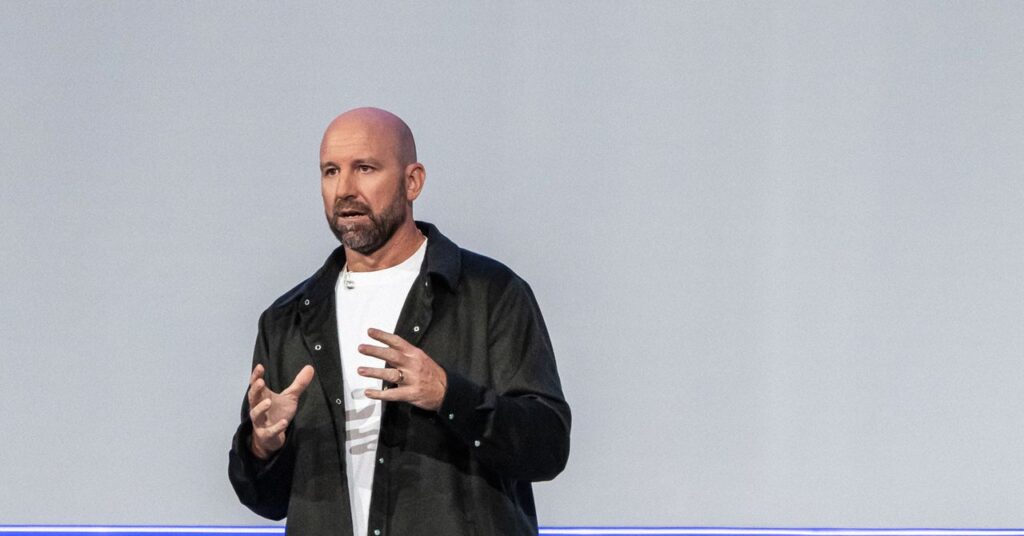
For creators and builders at Meta, the recent upheaval in the artificial intelligence division signals a stark warning: when leadership fails to communicate a vision, even the most talented engineers can feel reduced to cogs in a broken machine. Andrew Bosworth, the company’s chief technology officer, has publicly admitted that the rollout of the new AI unit was “atrocious,” promising a cultural reset focused on clarity, career progression, and basic comforts like better snacks.
The “Gulag” of Applied AI
This admission follows reports from last week detailing deep dissatisfaction within the Applied AI engineering unit. Established in March with roughly 6,500 engineers and product managers, the division was tasked with advancing Meta’s generative AI models. However, the nature of the work quickly soured morale. Employees described the tasks as menial, with one worker characterising the environment as “a gulag.”
In an internal message seen by WIRED, Bosworth acknowledged the erosion of trust. “We’ve undermined the trust you have that your specific expertise and contribution will be valued, that you will grow and advance your career, and that this will be a place where you can actually have an impact,” he wrote. He noted that the company had “shook up the management structure that was providing you stability,” while rapid strategic shifts and a volatile hiring cycle left entire teams in limbo.
While Meta did not immediately respond to requests for comment, the unrest within the AI team reflects a wider decline in employee sentiment across the firm. This downturn stems from mass layoffs, increased worker surveillance, and other grievances. Recently, several senior executives, including CEO Mark Zuckerberg, have issued internal messages acknowledging these feelings and pledging to implement changes.
Structural Changes and Managerial Limits
Bosworth, often viewed as a loyalist to Zuckerberg, outlined a new approach to management and communication. He promised more personalised attention for staff, proposing that managers cap their direct reports at approximately 20 people. The restructuring plan also aims to limit how frequently employees are forced to switch managers. Furthermore, leadership will commit to better articulating the rationale behind strategic pivots.
The memo also addressed the role of managers, stating they should focus primarily on management duties rather than independent work. Additionally, employees will gain access to “AI coaching” tools if they choose to utilise them. Addressing the specific backlash regarding the Applied AI team, Bosworth conceded: “We obviously did an atrocious job explaining the vision, giving people a clear picture of how we would support them and their careers in the shift, and painting a picture of how it would change over time.”
A Path Forward for Reluctant Joiners
In a separate post from last Friday, Maher Saba, the vice president leading the Applied AI team, addressed those who were compelled to join the unit. Saba confirmed that these employees would now be permitted to apply for other roles within Meta if they can secure them. “Moving forward, we are returning to business as usual and giving people the agency to apply to roles that interest them,” Saba stated.
To further attempt to lift spirits, Bosworth vowed to transform Meta into a “fun and enjoyable” workplace. This includes improvements to “microkitchens”-break areas stocked with snacks and drinks-as well as increased travel budgets and funding for social events, encouraging staff to connect in person.
Key takeaways
- Andrew Bosworth has admitted the rollout of Meta’s AI division was “atrocious,” acknowledging it damaged trust and career prospects for thousands of engineers.
- The company is implementing structural reforms, including capping managers at 20 direct reports and reducing involuntary manager swaps during restructuring.
- Voluntary exit options are being offered to staff in the Applied AI unit who feel they cannot align with the new direction, while morale-boosting perks like better food and travel budgets are being expanded.