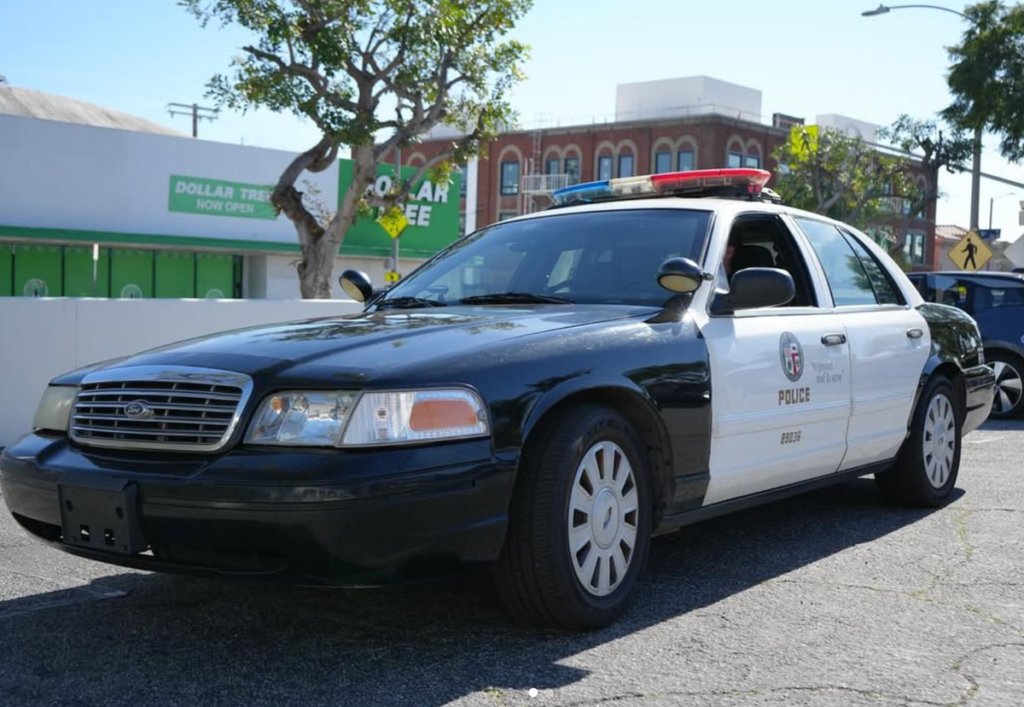
The Los Angeles Police Department has decided to let its contract with automated license plate reader firm Flock expire, making it the largest police force in the United States to drop such an agreement. This move follows an internal audit finding that officers improperly investigated 161 individuals whose vehicles were incorrectly flagged as stolen within a single two-month window.
System errors lead to wrongful stops
The LAPD figures align with a growing pattern of incidents across the country where clerical mistakes or data entry errors trigger police stops. Joel Feder, an editor at The Drive, recounted being tracked for several days before a stop in Minnesota because a California department had entered his car’s plate as stolen while he was reviewing it for a story. Similarly, a 23-year-old woman spent 13 days in jail after police searched a database for a black Dodge Durango linked to a fatal hit-and-run, only to find the vehicle was her own.
“During the review period, officers acknowledged 161 alerts as accurate license plate matches; however, subsequent investigations determined the vehicles were not stolen,” the LAPD Office of the Inspector General report states. “In addition to creating an inconvenience for vehicle owners, these inaccuracies can affect individual liberty interests, erode public trust, and potentially create substantial legal and financial liability concerns.”
Scale of the surveillance
A new report from the LAPD OIG indicates that false alarms on “hot lists” are frequent. These lists notify police when a specific vehicle passes a connected camera. Between August 1 and September 30, 2025, the department’s cameras processed more than 210.5 million license plate reads. During this time, 5,911 different plates were tracked. No action was taken against 4,575 of those cars.
When a match occurs, department policy requires officers to verify the alert before stopping a vehicle. In practice, this verification often does not happen. Instead, officers treat the stop as high-risk. This protocol involves calling for backup, requesting air support, summoning a supervisor, and ordering the driver out of the car immediately.
Why the data fails
The report attributes these errors to inaccurate or outdated information. A vehicle might be pulled from a hot list in one jurisdiction but remain flagged in another, or a plate might stay listed after a car is recovered. The LAPD noted that record updates often depend on other departments or vehicle owners to clear a plate, creating a fragmented network of surveillance data.
Despite the errors, the department claimed the technology yielded results. It stated that ALPR data helped recover 337 stolen vehicles and led to 74 arrests over the two-month audit period. The LAPD has nearly 2,000 ALPR cameras, utilizing systems from Motorola, Flock, and Axon. Data from Axon and Flock are shared through a backend partnership, allowing the department to access both sets of information.
What it means
The LAPD said it would not sign new contracts until a full audit process is complete. The OIG recommended suspending the deployment of new cameras and halting new contracts pending a broader reassessment of vendors and data practices. This pause means the department will rely on existing infrastructure for the time being while it works to improve oversight of how access to this sensitive data is managed.