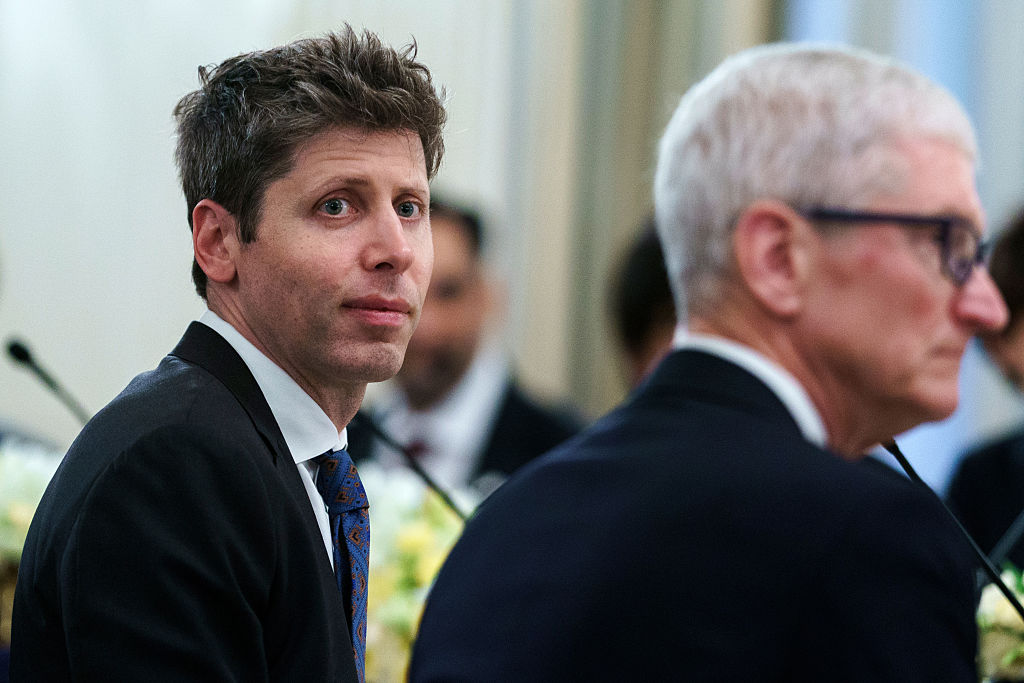
Apple has filed a lawsuit against OpenAI in the U.S. District Court for the Northern District of California, accusing the company of stealing trade secrets and breaching contracts.
The iPhone maker claims this behaviour shows a pattern of theft by former Apple staff, a scheme directed by OpenAI senior leadership, including Chief Hardware Officer Tang Tan.
The complaint alleges Tan used Apple’s confidential project code names during recruitment. He reportedly asked job candidates to bring Apple hardware components to interviews, coached departing Apple employees on how to bypass security procedures, and requested details on unannounced products.
Tan spent 24 years at Apple before joining OpenAI, most recently serving as vice president of product design for the iPhone and Apple Watch.
Timing and context
These accusations arrive as OpenAI develops its first hardware product, likely a smartphone that would compete with the iPhone. In April, industry analyst Ming-Chi Kuo suggested the device could rely on AI agents instead of apps. If true, it represents one of the largest threats to Apple’s core hardware business to date.
Apple’s former lead designer Jony Ive’s device startup io was acquired by OpenAI last year in a $6.5 billion deal to aid the AI company with its hardware ambitions. While io was named in the filing, Ive was not.
Tan is not the only OpenAI employee referenced in the new complaint. Apple also alleges that Chang Liu, who spent eight years at Apple as a senior systems electrical engineer, failed to return an Apple-issued laptop after leaving the company for OpenAI in 2026. Liu had used the computer to download confidential Apple technical documents.
Apple says the stolen documents included information about unannounced technologies, features, and products, including technical specifications, engineering presentations, and proprietary project data.
Liu is also accused of sharing Apple’s confidential information with other Apple employees applying for jobs at OpenAI, advising at least one of them on what to study before their interview.
Apple sent a letter to OpenAI in February to raise its concerns, and received no response, the company said in the complaint.
It alleges that the behaviour of these former employees is part of OpenAI’s strategy to extract Apple’s confidential information. This included asking Apple employees to bring designs and prototypes to interviews and answer questions about component and vendor selection processes.
Apple says its ongoing investigation revealed that OpenAI and its partners have used Apple’s confidential information while the AI model maker develops its own hardware product. For instance, the filing references a proprietary metal finishing technique that was used by OpenAI after it allegedly misled a partner into believing it had Apple’s permission to do so.
Like many tech companies, Apple typically investigates potential trade secret theft or other improper activity by analyzing communications that took place on company-owned devices and reading through its server logs. By taking the case to court, Apple will have an opportunity to learn more about the extent of the alleged operation through the legal discovery process.
Apple is asking the court to bar OpenAI from using or disclosing its trade secrets, require the company to return any confidential Apple materials, and preserve evidence related to the case.
“This is the tip of the iceberg. Apple lacks visibility into what’s been happening behind closed doors at OpenAI, where such misconduct is normalized and exemplified by leadership,” the filing states. “As a natural result, OpenAI’s nascent hardware business now rests on the shakiest of foundations, rotten to its core by its illegal reliance on misappropriated trade secrets.”
In a prepared statement, Apple also said the following:
“At Apple, our teams are constantly developing breakthrough technologies to create the best products and services in the world, and protecting their work and intellectual property is something we take very seriously. Recently, significant evidence has emerged suggesting individuals employed by OpenAI wrongfully took Apple’s secret and confidential information regarding our unreleased technologies, processes, and products. We will always defend our teams’ hard work and innovations, and we are taking all appropriate steps to do so.”
OpenAI was asked for comment.
The filing is available here, or you can read it below.
This story is developing and will be updated, and originally published at 1:32pm PT.